


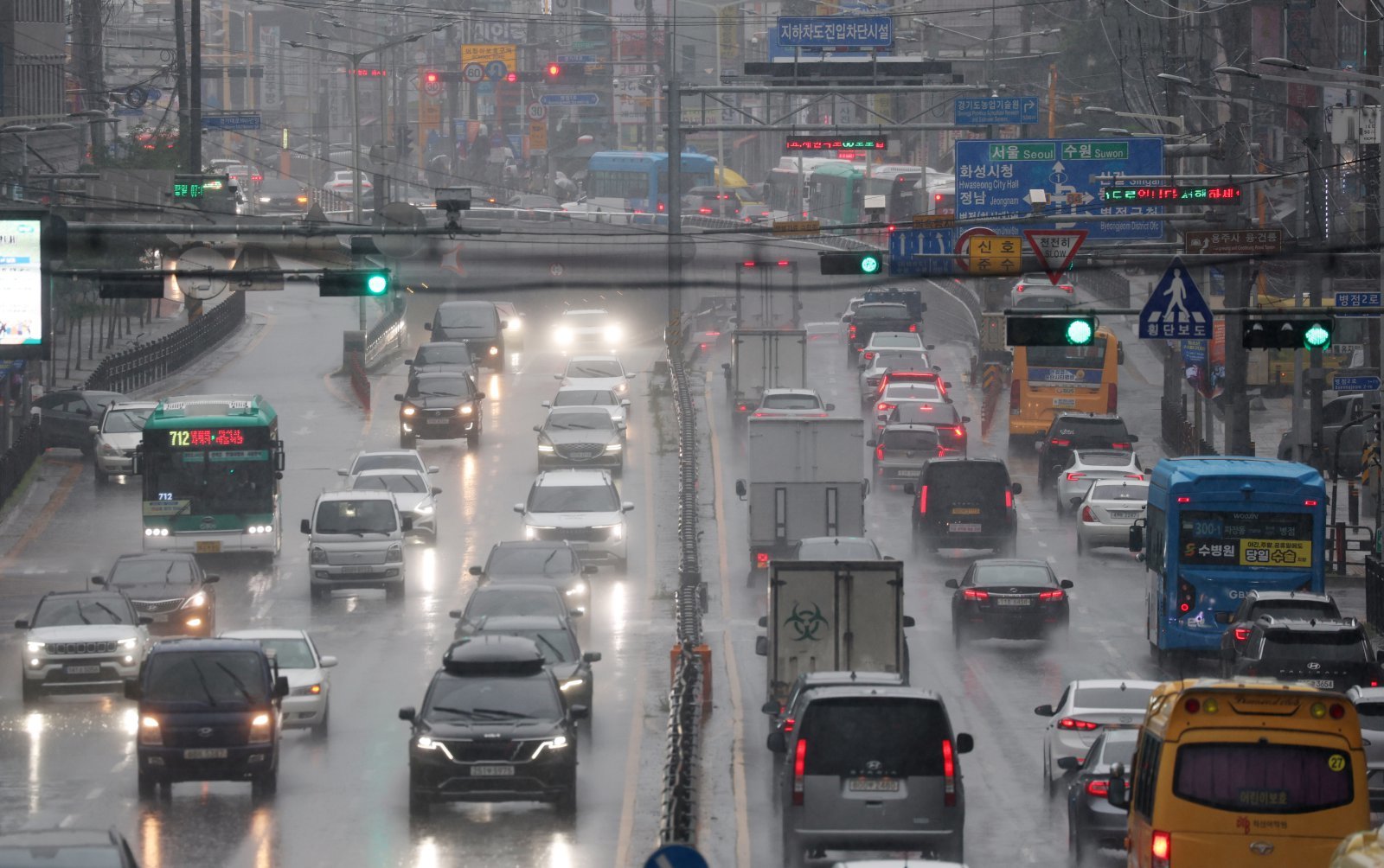
South Korea issues heavy rain advisories, activates Level 1 disaster response
Translated from Korean, summarized and contextualized by DistantNews.
At a glance
News
Sources not specified
Ongoing story
- South Korea issued heavy rain advisories for Sejong, Chungcheong, and Jeonbuk regions.
- The Central Disaster and Safety Countermeasures Headquarters (CDSCHQ) activated its Level 1 emergency response system.
- Authorities ordered enhanced disaster response, preemptive control of high-risk areas, and swift resident evacuation.
South Korea has issued heavy rain advisories for the Sejong, Chungcheong, and Jeonbuk regions as a seasonal rain front affects the country. In response, the government activated the Central Disaster and Safety Countermeasures Headquarters (CDSCHQ) to Level 1, signaling an elevated state of emergency preparedness.
Thoroughly establish regional emergency response systems and inter-agency cooperation systems, and ensure thorough situation management, focusing on real-time weather conditions.
CDSCHQ Chief Yoon Ho-joong directed relevant agencies to strengthen their emergency response systems and ensure thorough coordination. He emphasized the need for diligent situation management, focusing on real-time weather conditions. The directive also called for enhanced monitoring of areas prone to landslides, steep slopes, coastal regions, riverbanks, campgrounds, and underpasses.
Authorities are instructed to implement preemptive controls in these high-risk zones during adverse weather. The plan includes rapidly disseminating warnings through village broadcasts and emergency text messages, and utilizing resident evacuation support teams to prevent delays in moving people to safety. Real-time information sharing among local governments, police, and fire departments is crucial, especially when there is a risk of casualties.
Strengthen monitoring of areas vulnerable to landslides, steep slopes, coastal areas, riverbanks, campgrounds, and underpasses, and preemptively control them in case of dangerous weather.
Chief Yoon urged the public to remain vigilant, regularly check weather forecasts and official guidance, and avoid dangerous areas like coastlines and riverbanks. The coordinated response aims to minimize potential damage and ensure the safety of residents in affected areas as the heavy rainfall continues.
Citizens should also pay close attention to safety by frequently checking the guidance of the authorities, such as weather information and disaster messages, and refraining from approaching dangerous areas such as coastal areas and riverbanks.
DistantNews Editorial
Originally published by Dong-A Ilbo in Korean. Translated, summarized, and contextualized by our editorial team with added local perspective. Read our editorial standards.
More Stories


From Our Blog

What Gets Lost (and Found) When News Is Translated

The Critical Role of Diaspora Media in Global News

What Travellers Should Know About Countries with Restricted Press

A Digital Nomad's Guide to Following Local News

How the Same Story Looks Different in Different Countries
