


South Korea Mandates Free Collection of Old Appliances with New Purchases
Translated from Korean, summarized and contextualized by DistantNews.
At a glance
News
Official statement
New plan
- South Korea will mandate retailers to offer free collection of old large appliances when selling new ones, starting August 21.
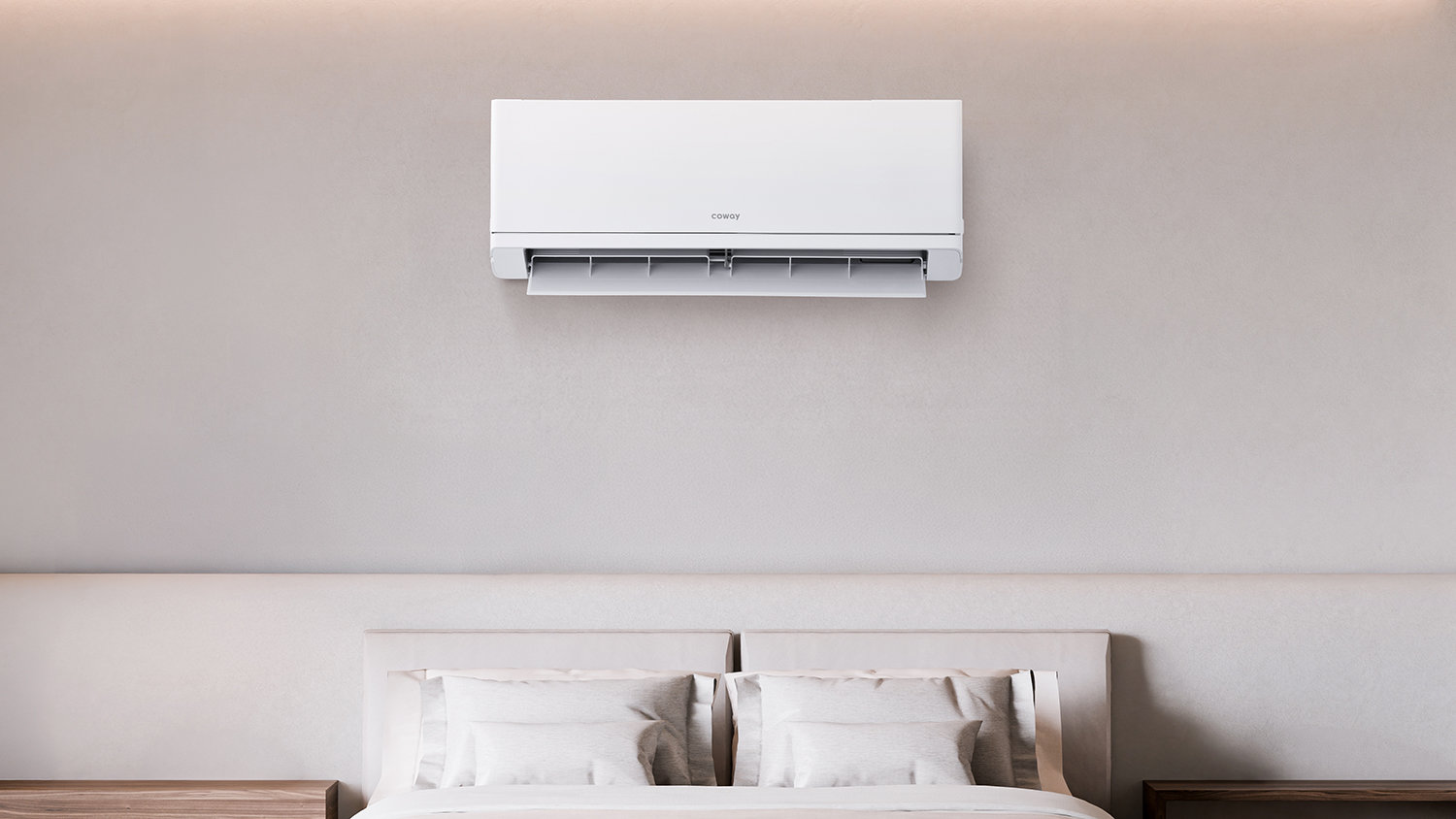
- The regulation specifies 11 types of appliances, including refrigerators, washing machines, and air conditioners.
- Stricter rules for recycling and managing used batteries, especially for electric vehicles, are also being implemented.
South Korea is implementing a new regulation requiring retailers to provide free collection of old large appliances when consumers purchase new ones. This measure, set to take effect with the legislative notice period starting August 21 and ending October 1, aims to simplify the disposal process for consumers.
The Ministry of Environment, Climate, and Energy specified 11 types of large appliances that fall under this mandatory collection. These include refrigerators, washing machines, air conditioners, treadmills, electric massagers, televisions, copiers, dishwashers, water purifiers, vending machines, and clothes dryers or managers. The ministry expects this to significantly ease the burden of discarding old appliances for the public.
In addition to appliance collection, the government is strengthening regulations for the recycling and safe management of used batteries. Future resource collection centers will now handle components like electric vehicle (EV) and hybrid vehicle motors, wind turbine nacelles and blades, and energy storage systems (ESS). The use of recycled materials from lithium-ion and EV batteries will be restricted to domestic manufacturing, and nickel content requirements will increase from 10% to over 13%. Safety measures for transporting and storing batteries from hybrid, hydrogen, and construction vehicles, as well as ESS, will also be expanded, with specific protocols for damaged batteries.
DistantNews Editorial
Originally published by Dong-A Ilbo in Korean. Translated, summarized, and contextualized by our editorial team with added local perspective. Read our editorial standards.
More Stories


From Our Blog

What Gets Lost (and Found) When News Is Translated

The Critical Role of Diaspora Media in Global News

What Travellers Should Know About Countries with Restricted Press

A Digital Nomad's Guide to Following Local News

How the Same Story Looks Different in Different Countries
