

South Korea: Nearly all adult missing person cases resolved within a month, raising concerns
Translated from Korean, summarized and contextualized by DistantNews.
At a glance
News
Documents & data
Context piece
- South Korean police receive around 70,000 adult missing person reports annually.
- Over 99% of these cases are resolved within a month, with about half resolved within an hour.
- Concerns are rising that this rapid resolution rate may lead to insufficient initial investigation, potentially missing the 'golden hour' for locating missing individuals.
South Korean police are handling an average of 70,000 missing adult reports each year, with a striking majority resolved swiftly. Data reveals that over 99% of these cases are closed within a month, and approximately half are resolved in under an hour. This trend, while indicating a high success rate in locating individuals, is raising concerns among experts.
While many adult disappearances are due to simple estrangement and individuals return on their own, the practice of rapid case closure is fueling worries. Critics suggest that this efficiency might lead to a perfunctory initial assessment of missing person cases. This could potentially result in overlooking crucial early investigative steps, thereby missing the critical 'golden time' window for effective searches.
Statistics from the National Assembly's Public Administration and Security Committee, based on police data, show consistent numbers. In 2022, 74,936 cases were reported, followed by 74,847 in 2023, 71,854 in 2024, and 70,814 in 2025. This year, 41,894 cases were reported by July. The resolution rates within an hour have steadily increased, from 41.7% in 2022 to 53.6% by July 2026. Similarly, the cumulative resolution rate within 30 days has remained consistently high, hovering around 99% annually.
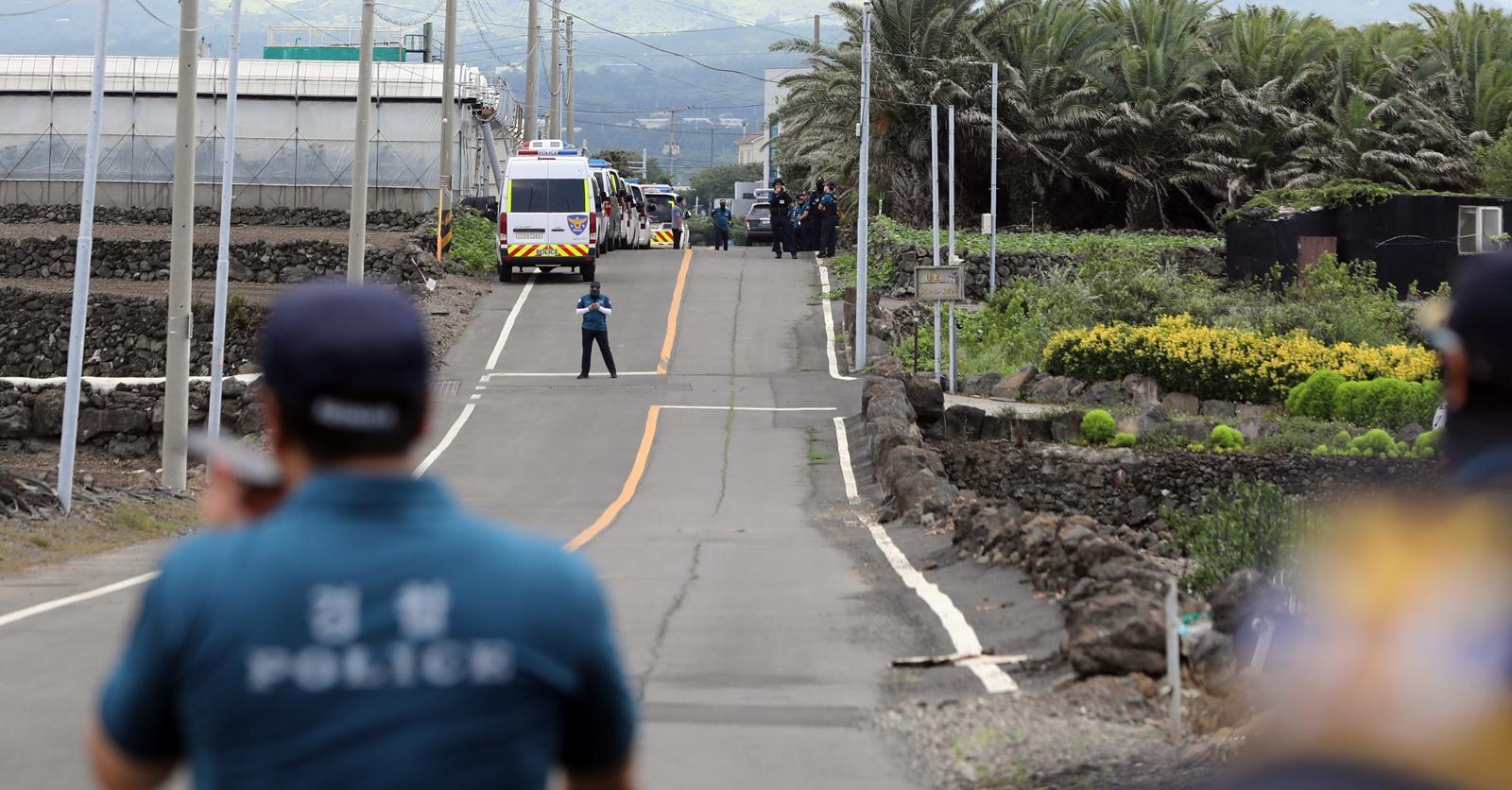
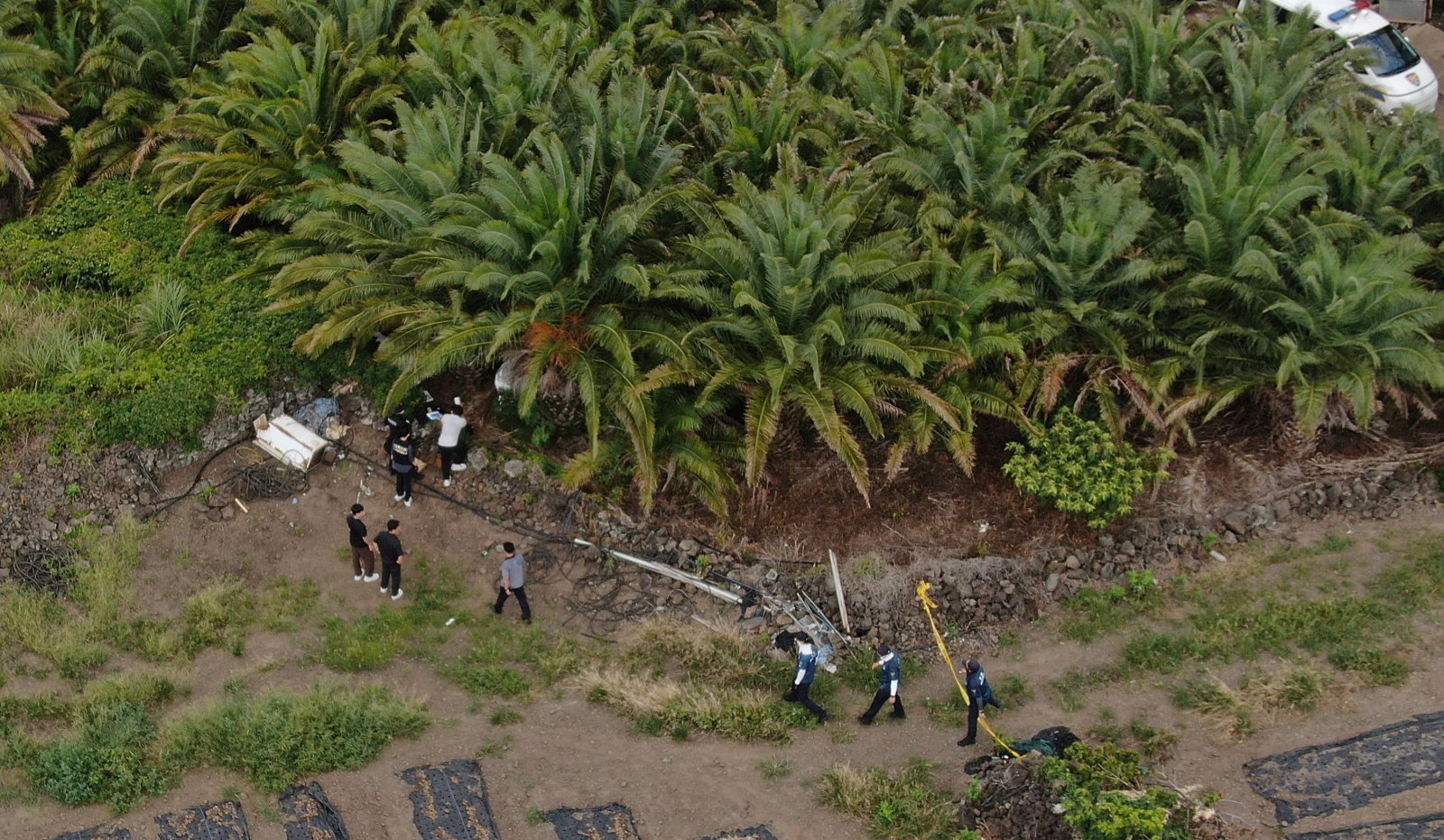
Experts like Lee Woong-hyuk, a professor of police administration at Konkuk University, caution against complacency. He notes that the field experience of officers, where most adult disappearances resolve quickly, can solidify into a routine that underestimates the potential danger in individual cases. "Even if the actual number of people in danger is extremely small, it is the police's duty to protect the lives of the citizens, and they should not become complacent due to this routine," Lee stated. The case of Jang Mi-ran, who was reported missing and whose case was closed within approximately 2.5 hours based on a reported contact, exemplifies these concerns. The officer reportedly closed the case without verifying Jang's actual whereabouts or safety, highlighting the potential pitfalls of rapid resolution practices.
Even if the actual number of people in danger is extremely small, it is the police's duty to protect the lives of the citizens, and they should not become complacent due to this routine.
DistantNews Editorial
Originally published by Dong-A Ilbo in Korean. Translated, summarized, and contextualized by our editorial team with added local perspective. Read our editorial standards.
More Stories


From Our Blog

What Gets Lost (and Found) When News Is Translated

The Critical Role of Diaspora Media in Global News

What Travellers Should Know About Countries with Restricted Press

A Digital Nomad's Guide to Following Local News

How the Same Story Looks Different in Different Countries
