

South Korea plans major government spending overhaul
Translated from Korean, summarized and contextualized by DistantNews.
At a glance
News
Official statement
New plan
- South Korea's Ministry of Economy and Finance plans a major government spending overhaul.
- The plan includes reducing discretionary spending by 15% and mandatory spending by 10%.
- Key areas for reform include educational grants, basic pensions, and unemployment benefits.
South Korea's Ministry of Economy and Finance is initiating a significant overhaul of government spending, aiming to restructure public finances by cutting both discretionary and mandatory expenditures. Minister of Economy and Finance Park Yun-gyu announced plans to reduce discretionary spending by 15% and mandatory spending by 10%.
During a public forum held on the 8th, discussions highlighted the necessity of reforming major mandatory spending programs, including local education grants, unemployment benefits, and basic pensions. The ministry indicated that it is seriously considering improvements to these related systems.
The 2027 budget will be the first budget where the entire budget planning process is solely led by the current administration.
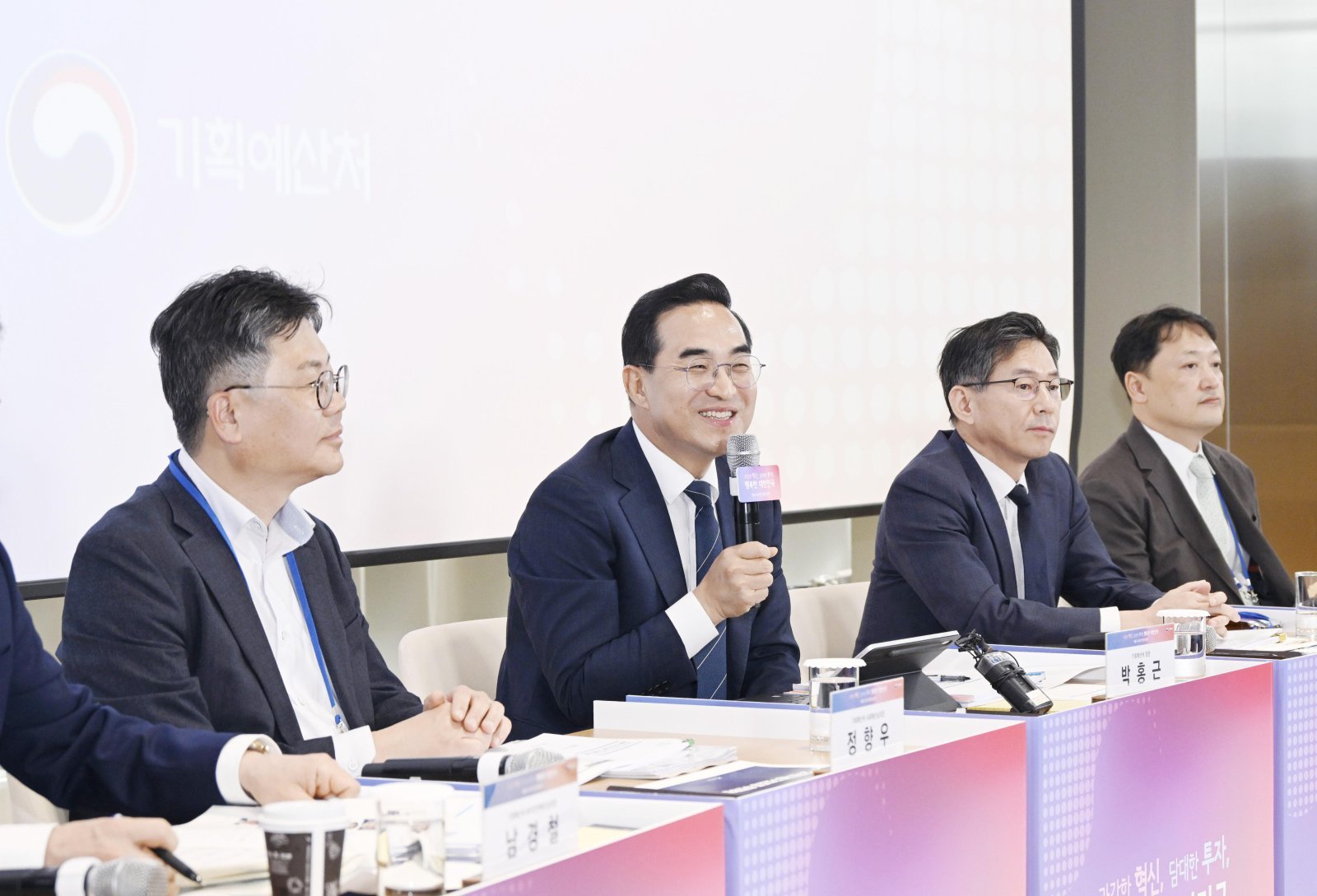
Minister Park emphasized the urgency of these reforms, stating at the "Open Forum on Expenditure Restructuring" in Mapo-gu, Seoul, that the budget for 2027 will be the first fully managed by the current administration. "Radical restructuring is something we must do now or never," he asserted. The plan involves a comprehensive review of all fiscal projects, targeting a 15% reduction in discretionary spending, a 10% cut in mandatory spending, and the elimination of 10% of existing projects.
This forum marks the first public discussion on expenditure restructuring organized by fiscal authorities since a "National Fiscal Savings Meeting" presided over by the president last year. The event gathered over 100 participants, including representatives from 19 central government ministries, 17 metropolitan local governments, research institutions, civic groups, and journalists.
Radical restructuring is something we must do now or never.
DistantNews Editorial
Originally published by Dong-A Ilbo in Korean. Translated, summarized, and contextualized by our editorial team with added local perspective. Read our editorial standards.
More Stories



From Our Blog

What Gets Lost (and Found) When News Is Translated

The Critical Role of Diaspora Media in Global News

What Travellers Should Know About Countries with Restricted Press

A Digital Nomad's Guide to Following Local News

How the Same Story Looks Different in Different Countries
