


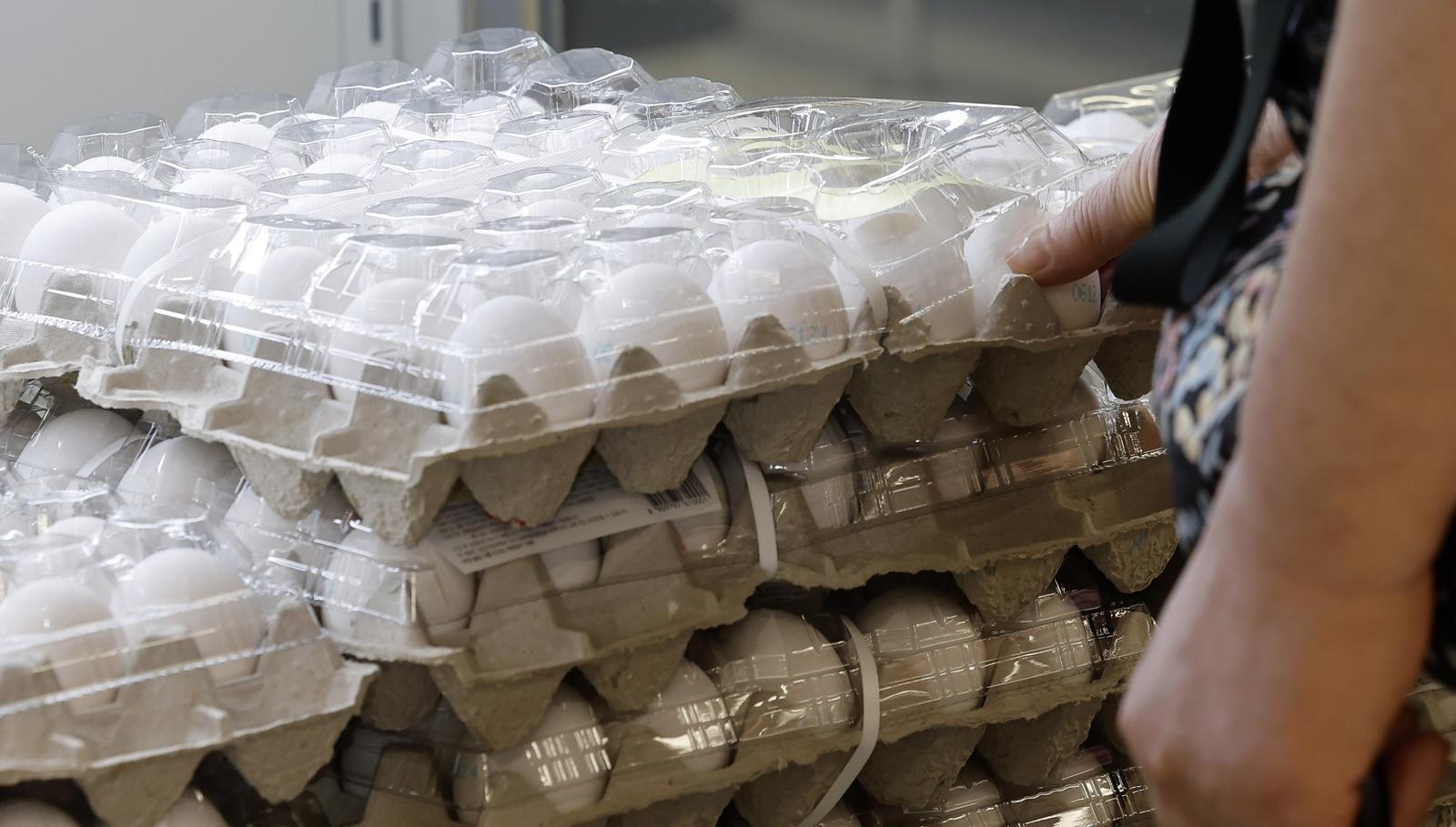
South Korea Plans Permanent Overseas Egg Supply Chain to Combat AI Shortages
Translated from Korean, summarized and contextualized by DistantNews.
At a glance
News
Official statement
New plan
- South Korea's government is planning to establish a permanent supply chain for fresh eggs from overseas to address recurring shortages caused by avian influenza (AI).
- The new strategy involves pre-emptively signing supply contracts with overseas farms in countries like the U.S. and Thailand.
- This proactive approach aims to quickly respond to egg price surges, moving away from the current emergency import system.
South Korea is moving to secure a stable supply of fresh eggs from abroad by establishing a permanent import system. This initiative aims to mitigate the recurring egg shortages and price volatility that have plagued the country annually due to outbreaks of highly pathogenic avian influenza (AI).
The Ministry of Agriculture, Food and Rural Affairs is reportedly considering pre-emptively signing supply contracts with overseas egg producers in countries such as the United States and Thailand. Under this proposed system, South Korea would secure millions of eggs annually. The actual volume of imports would be adjusted based on the extent of AI damage domestically and prevailing egg prices, allowing for a more flexible and responsive supply chain.
Currently, South Korea relies on an emergency import mechanism. When AI leads to the culling of laying hens and a domestic supply deficit, the Korea Agro-Fisheries & Food Corporation (aT) selects overseas suppliers and initiates import procedures. However, the time required for supplier selection, quarantine, and transportation often means that imported eggs arrive only after domestic prices have already surged significantly. The government is also examining the possibility of establishing a dedicated unit within aT to manage overseas fresh egg imports and supply chain oversight, aiming for a more streamlined and efficient response to future AI outbreaks.
DistantNews Editorial
Originally published by Dong-A Ilbo in Korean. Translated, summarized, and contextualized by our editorial team with added local perspective. Read our editorial standards.
More Stories


From Our Blog

What Gets Lost (and Found) When News Is Translated

The Critical Role of Diaspora Media in Global News

What Travellers Should Know About Countries with Restricted Press

A Digital Nomad's Guide to Following Local News

How the Same Story Looks Different in Different Countries
