


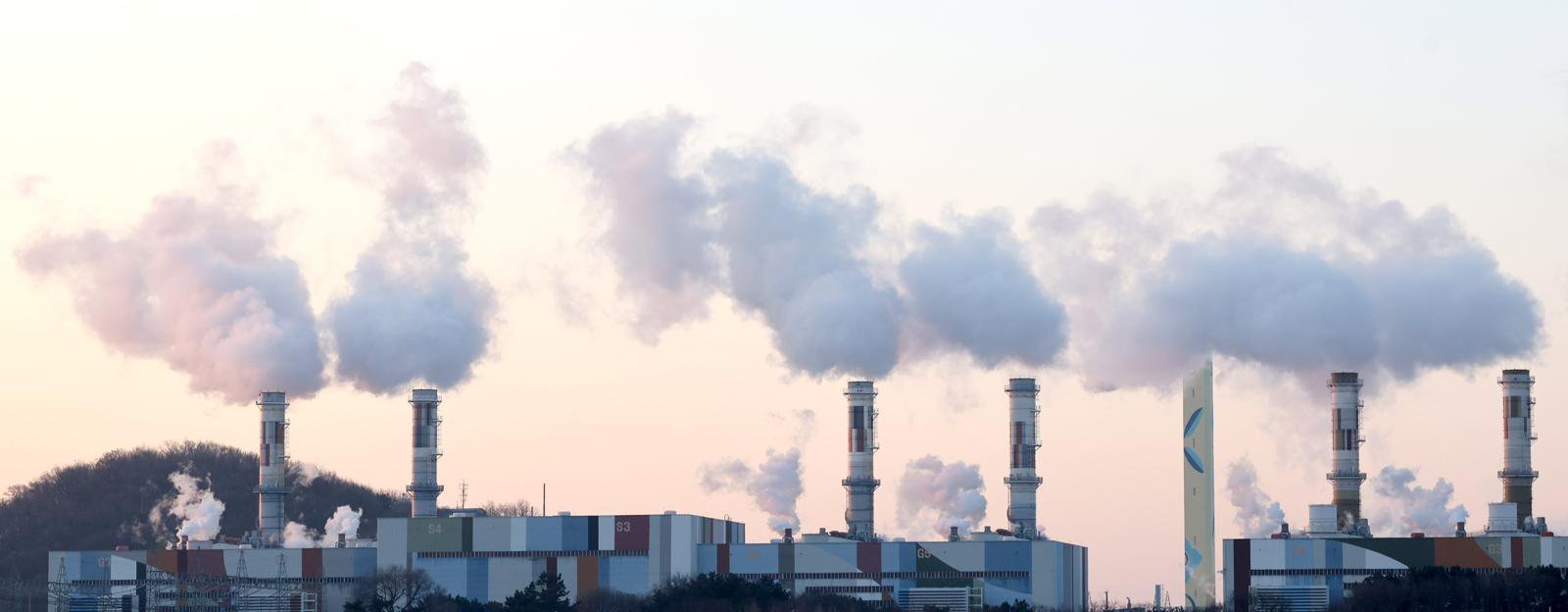
South Korea plans to merge 5 state power firms into one entity
Translated from Korean, summarized and contextualized by DistantNews.
At a glance
News
Sources not specified
New plan
- South Korea's five state-owned power generation companies are set to merge into a single entity to better respond to surging electricity demand in the AI era.
- A research report recommended the consolidation, citing structural limitations in the current fragmented system that hinder national energy transition and create inefficiencies.
- The Ministry of Climate and Energy will finalize restructuring plans in July, with potential legislative approval by year-end to enable integration starting next year.
South Korea is moving towards consolidating its five state-owned power generation companies into a single corporation. This significant restructuring aims to enhance the nation's ability to meet rapidly growing electricity demands driven by the artificial intelligence era.
A recent research report, presented by Samil PwC, identified the current fragmented structure as a barrier to a cohesive national energy transition. The report highlighted duplicated costs and inefficiencies in research and development stemming from the separate operations of Korea South-East Power, Korea Midland Power, Korea Western Power, Korea Southern Power, and Korea East-West Power.
The current power generation public enterprise system leads to each company fending for itself, structurally limiting the national energy transition.
The 'one-company integration' model emerged as the optimal solution, offering a unified entity to manage long-term, high-risk energy transition projects. This approach is expected to enable more stable execution of large-scale projects through consolidated capital and organizational strength. However, concerns about potential monopolistic practices and managerial bloat within a giant merged entity were also noted, with recommendations for strong leadership and dedicated management structures to mitigate these risks.
Why have they been divided like this?
This consolidation initiative gained momentum following remarks by President Lee Jae-myung in December, who questioned the rationale behind the existing five-company system. The Ministry of Climate and Energy has been conducting research since February to redefine the roles of power companies for energy transition and efficiency. The final restructuring plan is anticipated in July, following consultations with experts and stakeholders, with the goal of legislative passage by year-end to facilitate integration from 2025.
The merger is also expected to spark competition among regions vying to host the headquarters of the consolidated company, currently located in Taean (Korea Western Power), Boryeong (Korea Midland Power), Jinju (Korea South-East Power), Busan (Korea Southern Power), and Ulsan (Korea East-West Power). Minister of Climate and Energy Kim Sung-hwan emphasized that the reform is crucial for adapting to the era of energy transition and building a competitive business structure, ensuring all energy public corporations fulfill their public responsibilities through innovation.
Power generation public enterprise restructuring is about adapting nimbly to the era of energy transition and reorganizing into a competitive business structure.
DistantNews Editorial
Originally published by Dong-A Ilbo in Korean. Translated, summarized, and contextualized by our editorial team with added local perspective. Read our editorial standards.
More Stories


From Our Blog

What Gets Lost (and Found) When News Is Translated

The Critical Role of Diaspora Media in Global News

What Travellers Should Know About Countries with Restricted Press

A Digital Nomad's Guide to Following Local News

How the Same Story Looks Different in Different Countries
