


South Korea's AI future hinges on its global leadership, President Lee says
Translated from Korean, summarized and contextualized by DistantNews.
At a glance
News
Sources not specified
Context piece
- South Korean President Lee Jae-myung stated that artificial intelligence and industrial development are impossible without South Korea.
- He expressed a desire for South Korea to become a leader in new industrial fields like physical AI, moving beyond its current role of learning from other nations.
- Lee also addressed issues faced by overseas Koreans, including difficulties with voting and the potential for expanded voting methods like postal or electronic ballots.
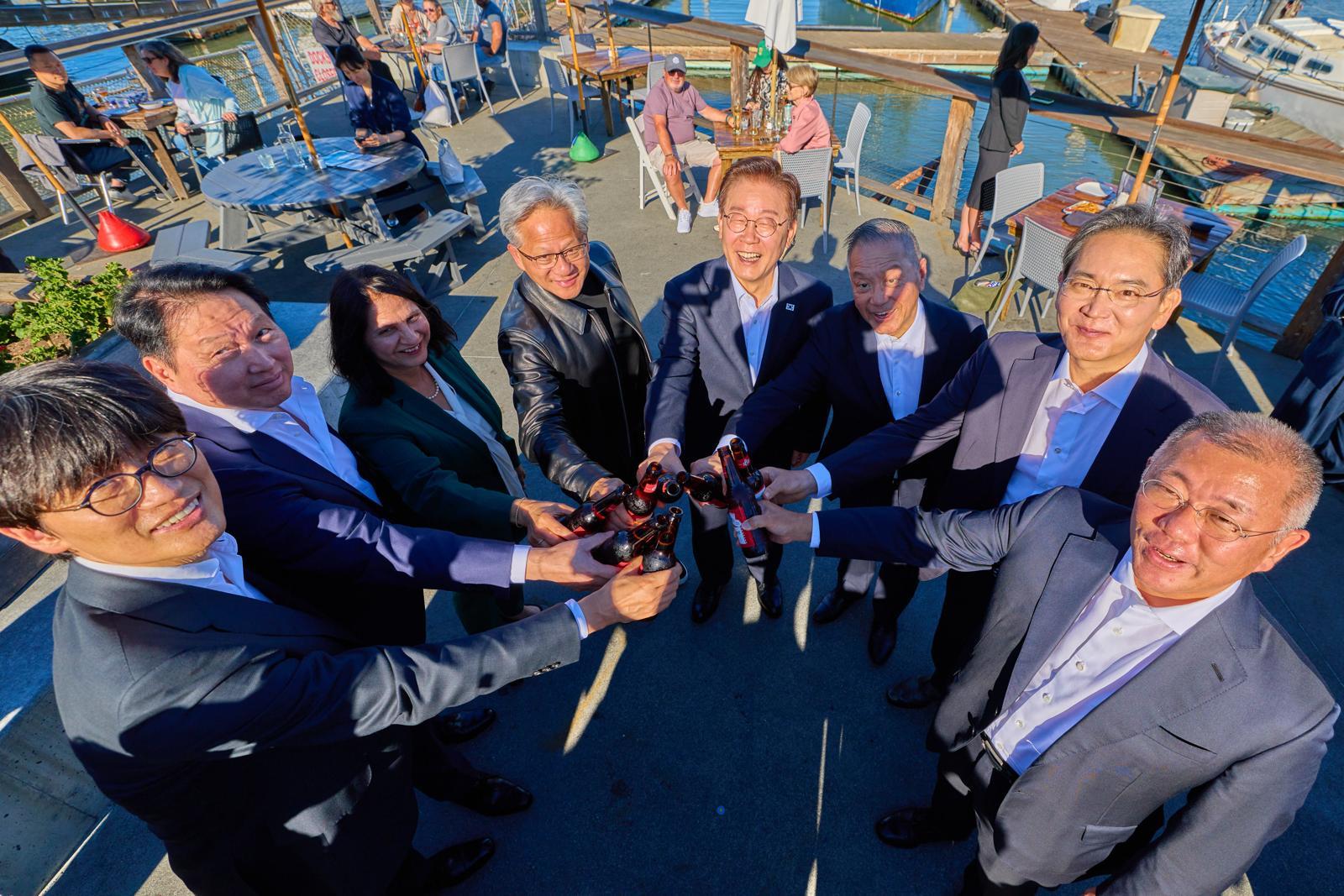
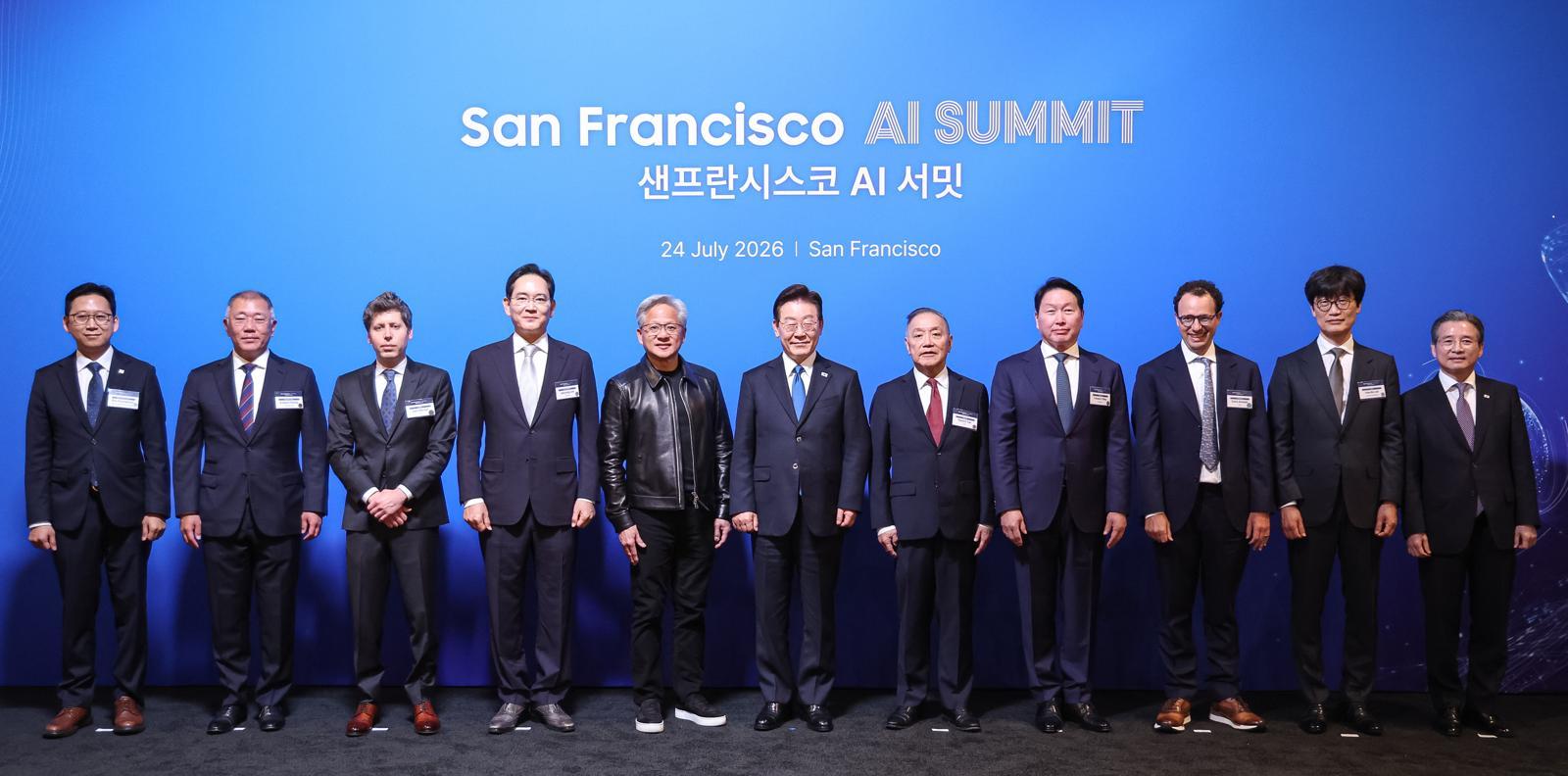
President Lee Jae-myung envisions a future where South Korea leads in emerging industrial sectors, particularly artificial intelligence. During a meeting with overseas Koreans in San Francisco, he emphasized that the nation's absence would hinder advancements in AI and overall industrial development.
The new society will be one where South Korea is indispensable, and progress is impossible without it.
"From now on, we want to create a situation where South Korea is indispensable, and progress is impossible without it," Lee stated, contrasting this with the past strategy of learning from and following other countries. He highlighted the potential for new industries, such as physical AI, to emerge, building on the nation's current strength in semiconductors.
From now on, we want to create a situation where South Korea is indispensable, and progress is impossible without it.
Lee also noted the common requests he receives during summit meetings, including calls for South Korea to establish semiconductor factories in other nations. He also mentioned increased demand for South Korean defense systems, citing their cost-effectiveness amid global conflicts. The president touched upon the global popularity of K-pop, acknowledging its significant cultural impact.
The first request we hear during summits is to build semiconductor factories in their countries.
Addressing the challenges faced by South Korean citizens abroad, Lee pledged to improve voting accessibility. He acknowledged the significant cost and time involved for overseas Koreans to cast their ballots and proposed solutions such as increasing polling stations, introducing postal voting, or even electronic voting if security can be guaranteed. He drew a parallel with the United States' use of postal voting, questioning why South Korea could not adopt similar measures.
Why can't we introduce postal voting when the US uses it?
DistantNews Editorial
Originally published by Hankyoreh in Korean. Translated, summarized, and contextualized by our editorial team with added local perspective. Read our editorial standards.
More Stories

From Our Blog

What Gets Lost (and Found) When News Is Translated

The Critical Role of Diaspora Media in Global News

What Travellers Should Know About Countries with Restricted Press

A Digital Nomad's Guide to Following Local News

How the Same Story Looks Different in Different Countries
