


South Korea's Development Cooperation Ecosystem Seeks New Path Through Reform and Solidarity
Translated from Korean, summarized and contextualized by DistantNews.
At a glance
News
Named sources
New plan
- South Korea's development cooperation ecosystem is undergoing structural reform and seeking new directions through collaboration.
- Experts convened at the KDI School of Public Policy and Management to diagnose issues and explore policy paths for the nation's development aid.
- Discussions focused on improving ODA quality, linking aid with finance and private investment, and leveraging AI and digital transformation for developing countries.
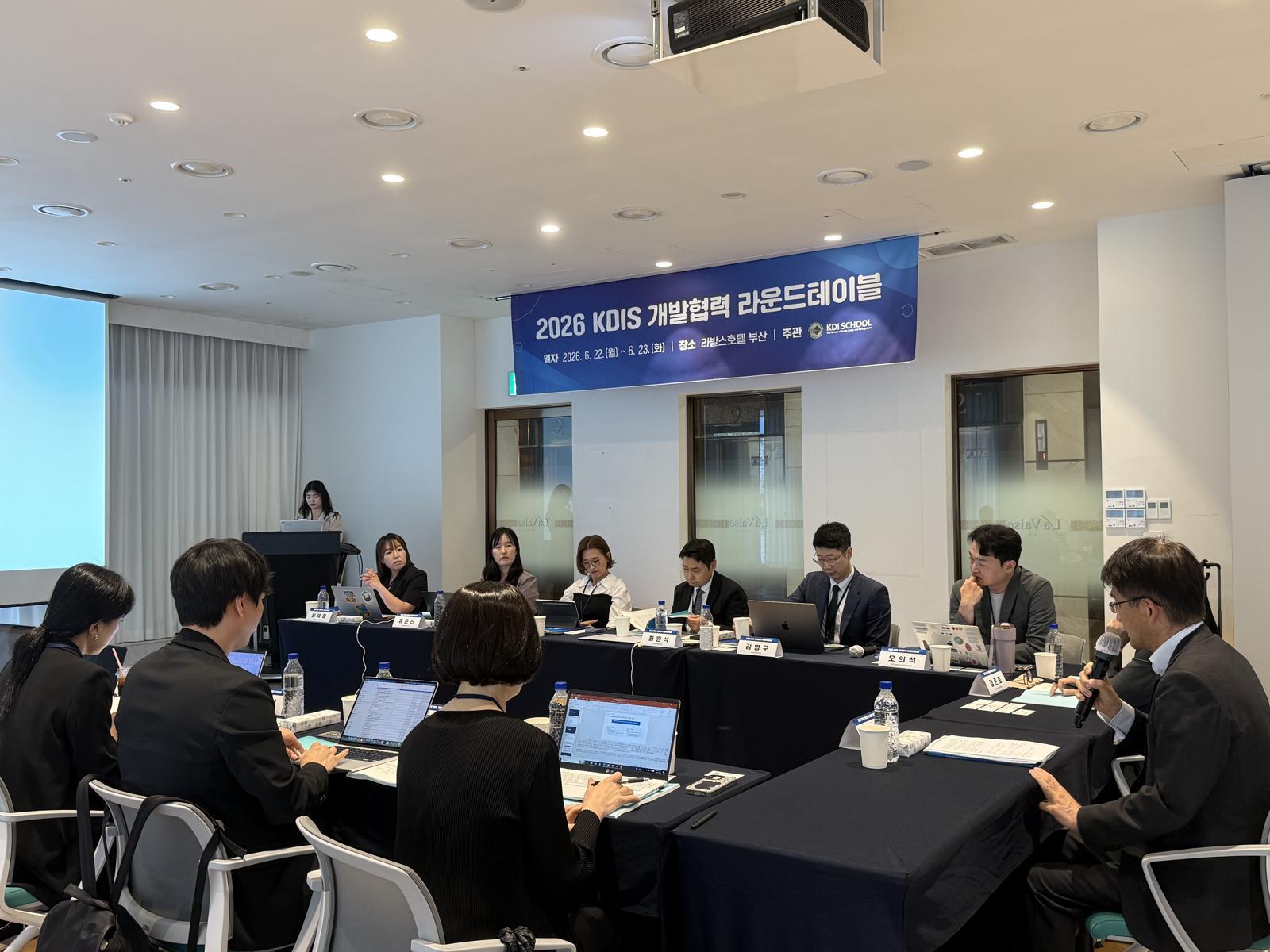
South Korea's development cooperation sector is navigating a period of significant change, with a recent roundtable hosted by the KDI School of Public Policy and Management aiming to diagnose current challenges and chart future policy directions. The "2026 KDIS Development Cooperation Roundtable," held in Busan, brought together around 30 experts from academia, research institutions, the private sector, and civil society.
Operating under the Chatham House Rule to foster candid discussion, the event addressed the fragmented responses within the Korean development cooperation ecosystem amidst a rapidly shifting global landscape. Im Won-hyuk, head of research cooperation at KDI School, emphasized the roundtable's role as a crucial space for refining collective capabilities and policy direction, transcending departmental and institutional boundaries.
The discussions were structured across three sessions. The first session explored ways to reform the project execution ecosystem to enhance the quality of South Korea's Official Development Assistance (ODA) amid a global trend of reduced aid. The second session examined the potential of a symbiotic development cooperation model that links ODA, policy financing, and private investment to address economic security concerns.
The third session focused on practical strategies for data governance and regulatory sandbox integration to support developing countries in safely adopting AI and digital transformation. The outcomes of these in-depth discussions will be compiled into policy memos and submitted to relevant government ministries and institutions. This marks the second year for the roundtable, which is establishing an annual cycle of agenda setting, the main event, and follow-up policy briefings to create a sustained dialogue platform for the Korean development cooperation sector.
The current fragmented response of the Korean development cooperation ecosystem amidst the rapidly changing global environment needs to be addressed. This meeting will be a key space for refining collective capabilities and policy direction beyond the walls of ministries and institutions.
DistantNews Editorial
Originally published by Dong-A Ilbo in Korean. Translated, summarized, and contextualized by our editorial team with added local perspective. Read our editorial standards.
More Stories


From Our Blog

What Gets Lost (and Found) When News Is Translated

The Critical Role of Diaspora Media in Global News

What Travellers Should Know About Countries with Restricted Press

A Digital Nomad's Guide to Following Local News

How the Same Story Looks Different in Different Countries
