


South Korea's Developmental Delay Crisis: Parents Bear Brunt as Services Lag
Translated from Korean, summarized and contextualized by DistantNews.
At a glance
Analysis
Sources not specified
Context piece
- The number of children receiving treatment for developmental delays in South Korea has more than doubled in five years, yet parents still bear the burden of connecting them to necessary services.
- Experts and advocates argue that the state needs to overhaul the system, which currently forces guardians to navigate multiple agencies for medical, therapeutic, educational, and welfare support.
- International symposiums and advocacy groups are calling for a strengthened, state-led support system to ensure timely intervention for children with developmental challenges, regardless of their family's resources.
South Korea is witnessing a dramatic rise in children diagnosed with developmental delays, with the number of those receiving treatment more than doubling in just five years. Despite this surge, a significant challenge remains: parents are still largely responsible for finding and connecting their children to essential medical, therapeutic, educational, and welfare services. This fragmented system places an immense burden on guardians, who often feel overwhelmed by the task of navigating various institutions.
Parents in the field say that finding and connecting services for their children is more difficult than raising them. Parents should remain parents, not case managers.
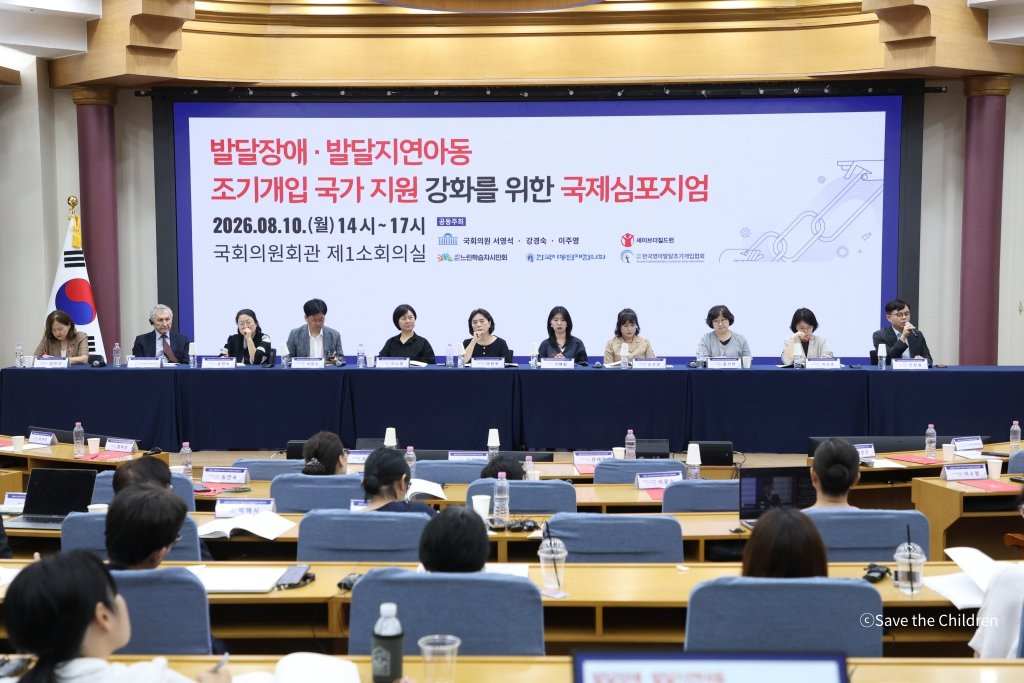
During an international symposium on early intervention for children with developmental disabilities and delays, held at the National Assembly, experts and advocates voiced strong opinions. Song Yeon-sook, director of the Slow Learners Citizens' Association, stated, "Parents in the field say that finding and connecting services for their children is more difficult than raising them. Parents should remain parents, not case managers." This sentiment underscores the need for a systemic change, shifting the responsibility from individual families to a more robust national support framework.
Early intervention is more effective the earlier it begins.
Data reveals a stark increase in developmental challenges among children. The number of individuals under 19 diagnosed with developmental disabilities grew from approximately 59,000 in 2017 to an estimated 80,800 by 2025. More alarmingly, children receiving treatment for developmental delays nearly doubled from about 68,000 in 2019 to around 144,000 in 2024. The current system lacks sufficient public support for timely and systematic connection to services, often forcing parents to rely on informal information to find appropriate care. This leaves parents to determine the priority of support needed for their child without adequate professional guidance.
Early intervention for children with developmental disabilities is a welfare policy that nurtures a child's potential and an investment in the future of society. We must build a system where the state takes responsibility for ensuring children receive the support they need at the appropriate time, moving beyond mere diagnosis.
Discussions at the symposium, which included international perspectives from Australia, highlighted the effectiveness of early intervention. Frank Overclade, a senior research fellow at the Murdoch Children's Research Institute, emphasized that "early intervention is more effective the earlier it begins." He cited Australia's "Blue Sky Project" and "Thriving Kids" initiatives in Victoria as models. These programs aim to create a seamless structure where health, education, and welfare services are organically linked, rather than requiring parents to piece together support from disparate agencies. Advocates in South Korea are proposing similar integrated systems, alongside improved public information, expanded health insurance coverage, and strengthened community-based case management, to ensure all children receive timely and comprehensive care.
According to Article 6 of the UN Convention on the Rights of the Child, it is the state's duty to ensure the survival and development of all children to the maximum extent possible. A child's access to necessary support should not depend on their family's information or economic power.
DistantNews Editorial
Originally published by Dong-A Ilbo in Korean. Translated, summarized, and contextualized by our editorial team with added local perspective. Read our editorial standards.
More Stories



From Our Blog

What Gets Lost (and Found) When News Is Translated

The Critical Role of Diaspora Media in Global News

What Travellers Should Know About Countries with Restricted Press

A Digital Nomad's Guide to Following Local News

How the Same Story Looks Different in Different Countries
