


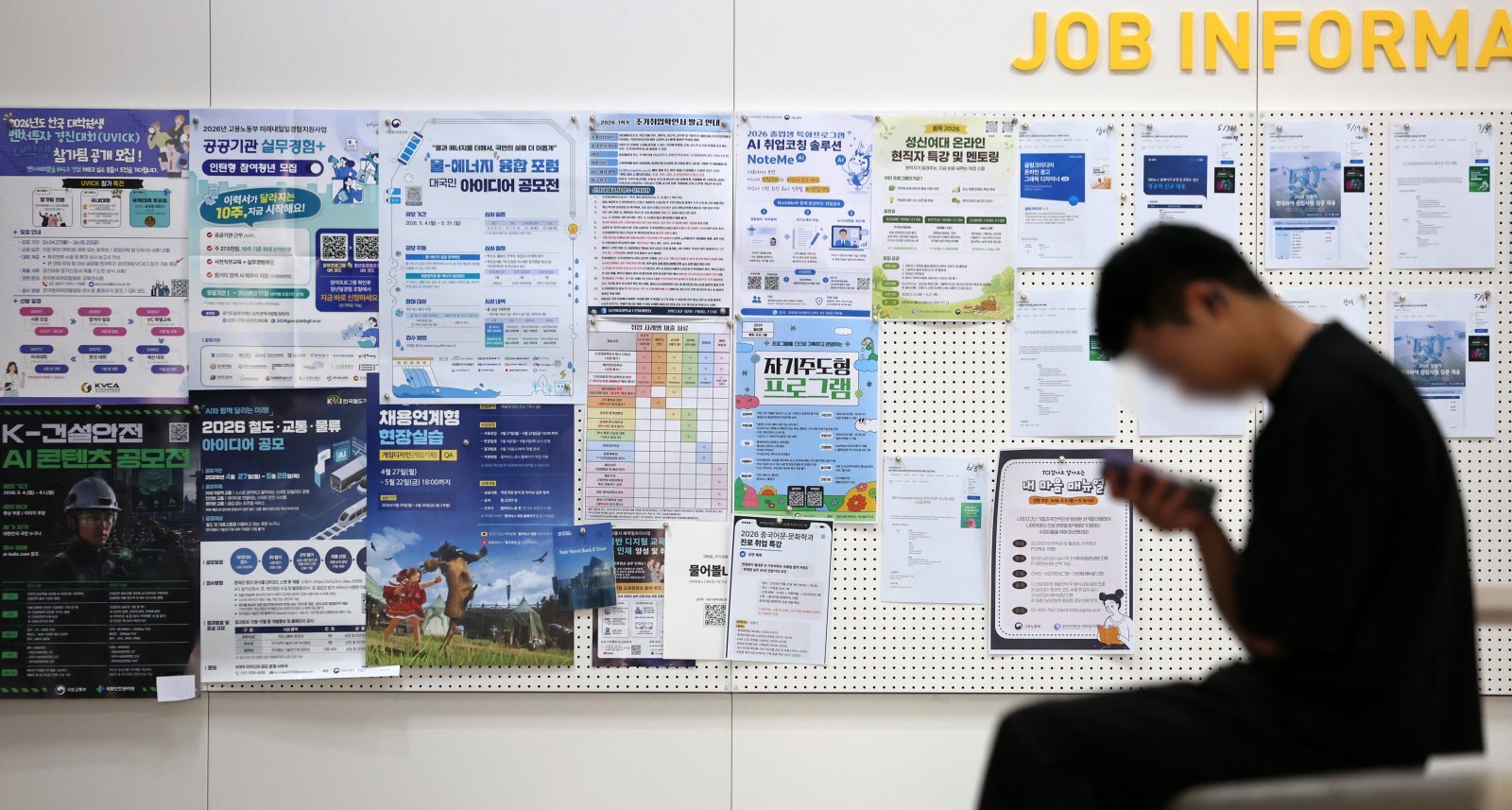
South Korea's Employment Rebounds in June, Adds 63,000 Jobs Year-on-Year
Translated from Korean, summarized and contextualized by DistantNews.
At a glance
News
Documents & data
New plan
- South Korea's employment saw a rebound in June, with 63,000 more jobs compared to the previous year, reversing a decline seen in May.
- Despite the overall increase, youth employment continued its 44-month streak of decline, and sectors like manufacturing and construction struggled.
- The recovery in job numbers was modest, with the monthly increase falling to a single-digit percentage after a dip attributed to Middle East conflicts.
South Korea's job market showed signs of recovery in June, adding 63,000 positions year-on-year, a welcome shift after a dip in May. However, this overall positive trend masks persistent weaknesses, particularly for young job seekers and in key industrial sectors.
The number of employed individuals reached 29.154 million in June, a 0.2% increase. This marks a return to growth after a challenging April and May, which saw job gains diminish significantly, a trend attributed to the impact of Middle East conflicts. Earlier in the year, job growth had been robust, with gains exceeding 100,000 positions per month in the first quarter.
Despite the headline improvement, the data reveals a stark contrast for younger demographics. Youth employment has now decreased for 44 consecutive months, indicating a deep-seated challenge in integrating young people into the workforce. Furthermore, major industries such as manufacturing, agriculture, and construction continue to shed jobs. Manufacturing alone lost 97,000 positions, while agriculture and construction saw losses of 95,000 and 67,000 respectively. These declines highlight ongoing structural issues within the economy.
Conversely, sectors like health and social welfare services saw significant gains, adding 214,000 jobs. Arts, sports, and leisure services also contributed positively, as did transportation and warehousing. These gains, however, were not enough to offset the broader industrial slowdown and the persistent struggles of the youth labor market, painting a complex picture of South Korea's employment landscape.
DistantNews Editorial
Originally published by Dong-A Ilbo in Korean. Translated, summarized, and contextualized by our editorial team with added local perspective. Read our editorial standards.
More Stories


From Our Blog

What Gets Lost (and Found) When News Is Translated

The Critical Role of Diaspora Media in Global News

What Travellers Should Know About Countries with Restricted Press

A Digital Nomad's Guide to Following Local News

How the Same Story Looks Different in Different Countries
