


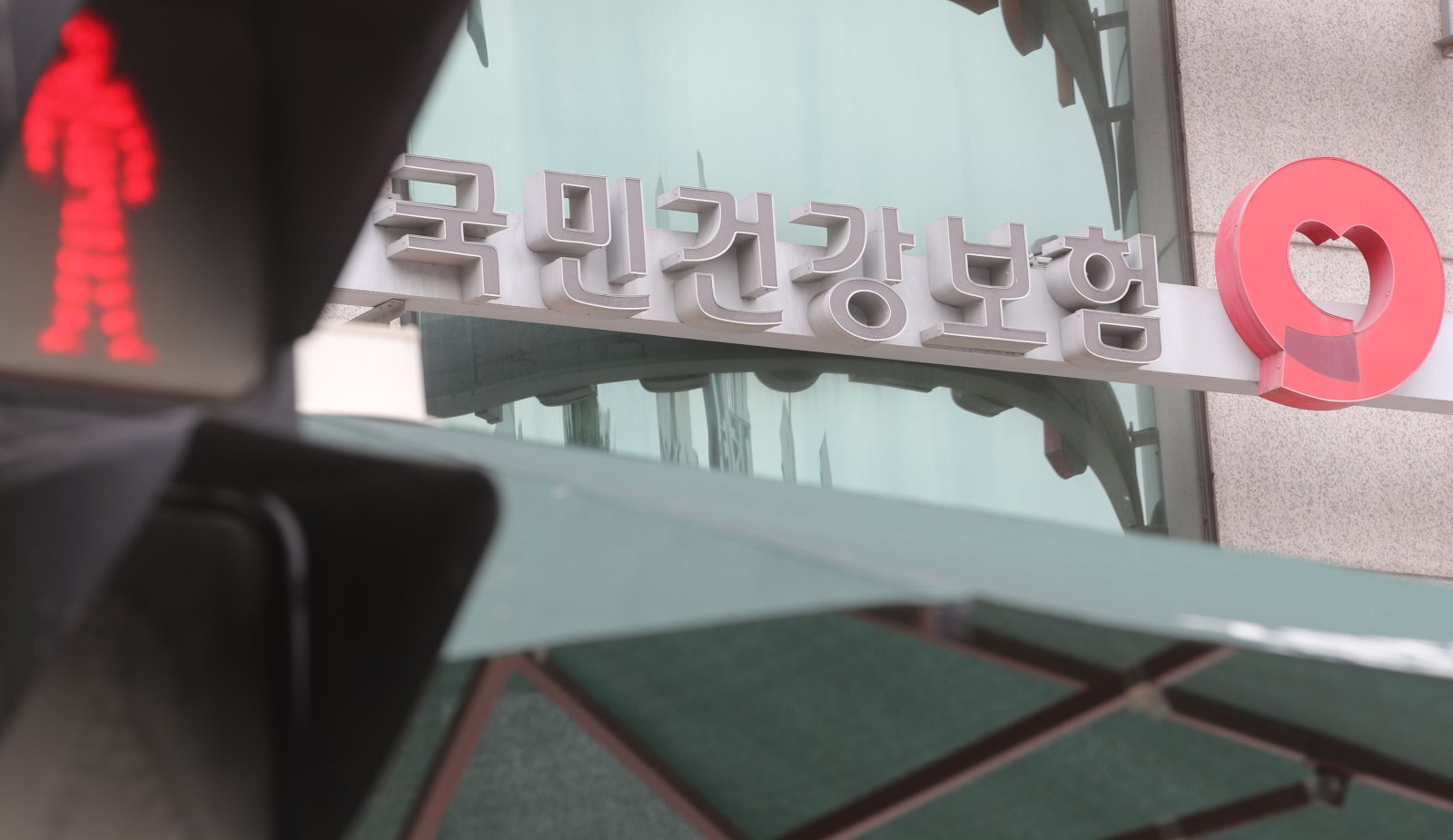
South Korea's health insurance fund may be depleted by 2029
Translated from Korean, summarized and contextualized by DistantNews.
At a glance
News
Official statement
New plan
- South Korea's National Assembly Budget Office projects the national health insurance fund will run a deficit this year and deplete its reserves by 2029.
- The aging population's rising medical costs and a weakening insurance premium base make relying solely on premiums unsustainable, the report states.
- The office recommends diversifying funding sources and strengthening government financial responsibility, citing international examples.
South Korea's national health insurance fund is projected to face a deficit this year and exhaust its accumulated reserves by 2029, according to a report by the National Assembly Budget Office (NABO). The analysis attributes this financial strain to the dual pressures of increasing medical costs driven by an aging population and a shrinking base for insurance premium collection.
The NABO report, titled "Is Health Insurance Finance Sustainable Solely on Premiums?", forecasts a deficit of 5.2 trillion won this year, escalating to 9.4 trillion won by 2028 and a staggering 39.5 trillion won by 2035. Consequently, the cumulative reserves are expected to dwindle to 7.6 trillion won in 2028 before turning negative in 2029.
The report criticizes the heavy reliance on insurance premiums for funding the health system, which accounted for 84.7% of revenue last year. This figure is significantly higher than in countries like Japan (42.0%), Taiwan (65.0%), and France (36.7%). In contrast, government contributions represented only 12.3% of the revenue.
Compounding the issue, the shrinking working-age population and reforms to the income-based premium system have weakened the premium base. Furthermore, the legal cap on the health insurance premium rate at 8% limits the potential for revenue increases through this channel alone. The average government support rate over the past three years (2023-2025) has also fallen short of the legal standard of 20%, averaging only 14.3%.
To enhance financial sustainability, NABO suggests exploring diversified revenue streams beyond premiums and reinforcing the government's financial commitment. The office points to international practices such as France's health-related purpose taxes and Taiwan's use of lottery income and tobacco surcharges as potential models for new revenue sources. Additionally, NABO proposes codifying a minimum government support rate or establishing a legal obligation to cover shortfalls, thereby increasing predictability in government funding for health insurance.
The need for a multi-layered approach that combines diversifying financial resources, strengthening government financial responsibility, and reforming the financial structure to cope with demographic changes is suggested by the health insurance operations of major countries.
DistantNews Editorial
Originally published by Dong-A Ilbo in Korean. Translated, summarized, and contextualized by our editorial team with added local perspective. Read our editorial standards.
More Stories



From Our Blog

What Gets Lost (and Found) When News Is Translated

The Critical Role of Diaspora Media in Global News

What Travellers Should Know About Countries with Restricted Press

A Digital Nomad's Guide to Following Local News

How the Same Story Looks Different in Different Countries
