


South Korea’s Inflation Returns to the 3% Range as SKT’s Half-Price Effect Fades
Translated from Korean and summarized by DistantNews. Read the original for the full story.
At a glance
News
Official statement
Context piece
- South Korea’s consumer prices rose 3.1% year on year last month, returning to the 3% range after a 2.8% increase in July.
- Mobile-phone charges rose 26.7% after the previous year’s SK Telecom discount created a low comparison base; excluding that effect, overall inflation would have been about 2.5%.
- Oil prices rose 14.2%, while agricultural and seafood prices fell 2.6%; the Bank of Korea expects inflation to ease in September but remain elevated in core items.
South Korea’s inflation rate moved back above 3% last month after the fading impact of a temporary SK Telecom discount pushed mobile-phone charges sharply higher in annual comparisons.
Consumer prices rose 3.1% from a year earlier, according to figures released by the National Data Agency. Inflation had reached 3.1% in May and 3.2% in June, then eased to 2.8% in July before returning to the 3% range two months later.
Mobile-phone charges rose 26.7% last month. A year earlier, SK Telecom had cut communication fees by 50% for all subscribers after a hacking incident, causing mobile-phone prices to fall 21%. Lee Doo-won, an official at the National Data Agency, said overall inflation would have been around 2.5% without the base effect from the discount.
When the base effect from the mobile-phone fee discount is removed, overall inflation is around 2.5%.
The sharp increase in phone charges lifted public-service inflation from 1.4% in July to 6.5% last month. That marked the largest increase since August 2001, when public-service prices rose 7.2%, and added 0.72 percentage points to the overall inflation rate.
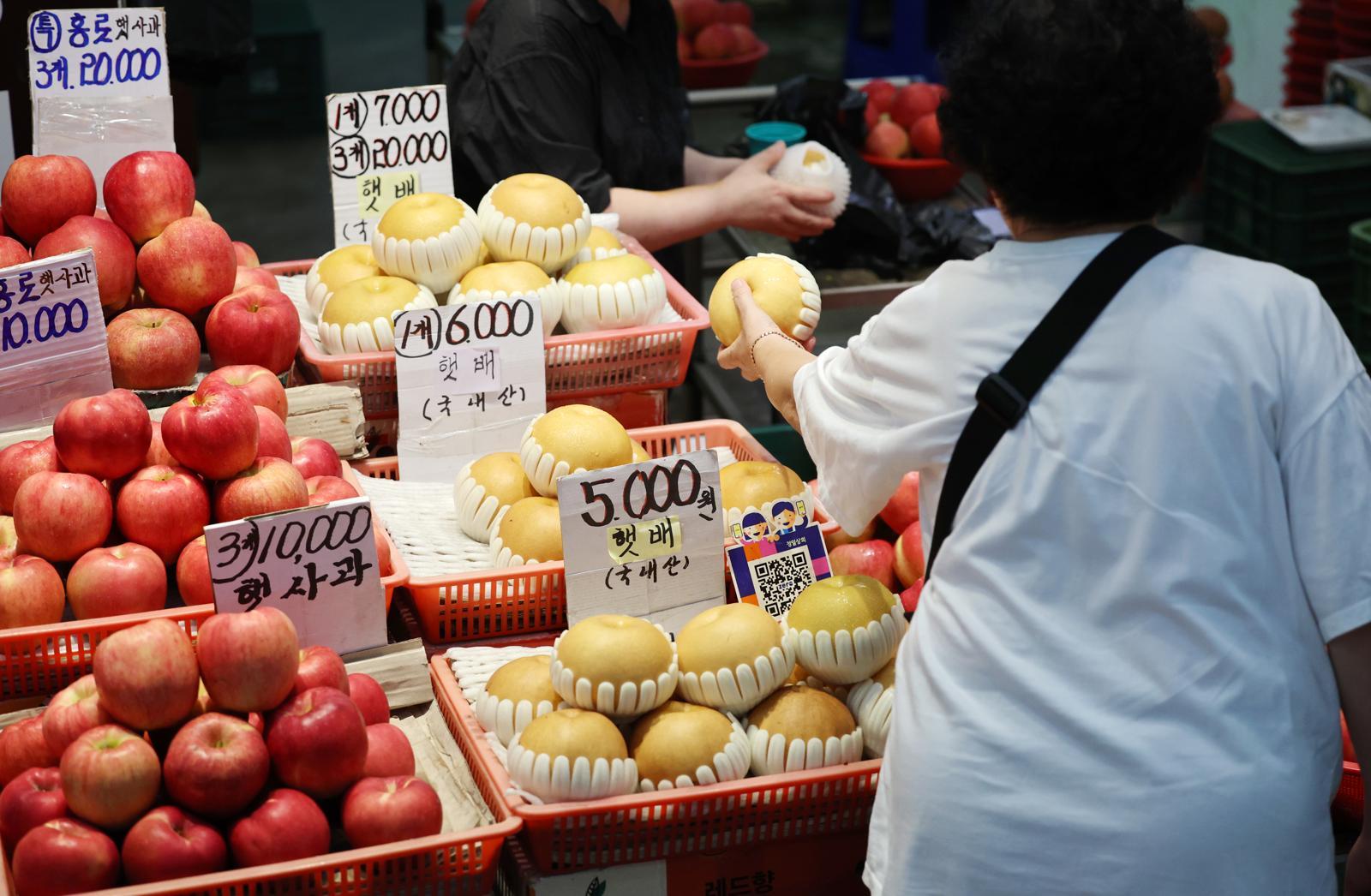
Oil prices rose 14.2% from a year earlier and added 0.54 percentage points to inflation, although the increase slowed from 15.5% in July under the oil price ceiling scheme. The government estimated inflation would have reached 3.6% without the measure. Agricultural, livestock and fishery prices fell 2.6% as supply increased and discount programs were introduced, but heat and stronger demand during the Chuseok holiday could push prices higher. Bank of Korea Deputy Governor Lee Ji-ho said September inflation would be lower than August as the base effect disappears, while underlying pressure would continue, particularly in core items.
Due to the disappearance of the base effect, the September inflation rate will be lower than in August, but the underlying upward trend will continue, centered on core items.
About this summary
Originally published by Dong-A Ilbo in Korean. Translated, summarized, and contextualized automatically by DistantNews, with a note on how the source frames the story. Not individually reviewed before publishing. How this works.
More Stories

From Our Blog

What Gets Lost (and Found) When News Is Translated

The Critical Role of Diaspora Media in Global News

What Travellers Should Know About Countries with Restricted Press

A Digital Nomad's Guide to Following Local News

How the Same Story Looks Different in Different Countries
