

South Korea's Non-Apartment Housing Starts Fall 5.5%, Rents Rise Amid Supply Squeeze
Translated from Korean, summarized and contextualized by DistantNews.
At a glance
News
Official statement
Context piece
- Housing starts for non-apartments, including townhouses and multi-family units, decreased by 5.5% year-on-year in South Korea from January to May.
- The decline in supply has led to rising rents for these housing types, increasing the financial burden on young people and those with limited funds.
- The proportion of monthly rent in total lease transactions has also grown significantly, indicating a shift towards rentals and away from traditional leases.
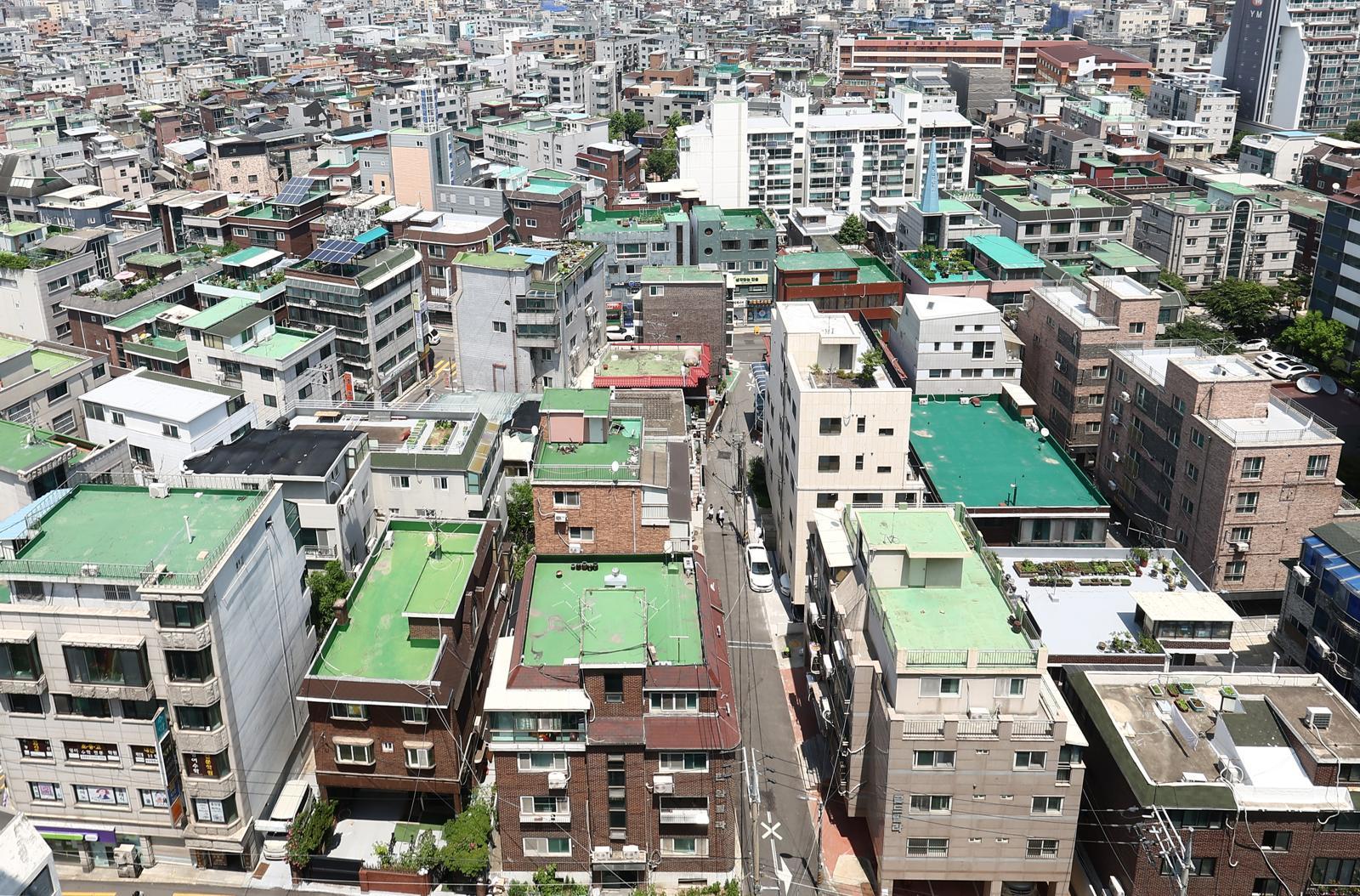
The construction of non-apartment housing in South Korea, encompassing townhouses and multi-family units, has seen a notable decline. From January to May, housing starts for these types of residences fell by 5.5% compared to the same period last year, with 12,358 units initiated versus 13,075 in the previous year. The decrease continued into May, with only 2,655 units starting construction, a 15.4% drop from April, signaling a delay in supply recovery.
This reduction in supply follows a sharp decrease in non-apartment construction after the "jeonse" fraud incidents. As fewer units become available, both deposit-based leases (jeonse) and monthly rentals (wolse) have seen price increases. Data from the Korea Real Estate Board shows that townhouse rental prices rose by 0.72% and monthly rents by 1.07% during the same period. In Seoul, the increases were even steeper, with jeonse prices up 2.65% and wolse prices up 3.02%.
The shift towards monthly rentals is also evident in the transaction data. From January to May, wolse transactions accounted for 80.9% of all non-apartment lease deals, a significant increase from the five-year average of 63.6% and a 6% point rise from the previous year's 74.9%. Analysts attribute this trend to a combination of reduced supply and the conversion of jeonse properties to wolse, placing a greater housing burden on low-income individuals and young people.
DistantNews Editorial
Originally published by Dong-A Ilbo in Korean. Translated, summarized, and contextualized by our editorial team with added local perspective. Read our editorial standards.
More Stories



From Our Blog

What Gets Lost (and Found) When News Is Translated

The Critical Role of Diaspora Media in Global News

What Travellers Should Know About Countries with Restricted Press

A Digital Nomad's Guide to Following Local News

How the Same Story Looks Different in Different Countries
