


South Korea's offshore wind power faces slow deployment due to supply chain, infrastructure, and cost hurdles
Translated from Korean, summarized and contextualized by DistantNews.
At a glance
News
Named sources
Context piece
- South Korea's offshore wind power sector has approved 34.3 GW of projects but has only deployed 0.36 GW, representing 1% of the licensed capacity.
- The slow deployment is attributed to a trifecta of challenges: underdeveloped supply chains, insufficient infrastructure, and high costs.
- A government-industry committee is working on roadmaps to address these bottlenecks, aiming to foster a virtuous cycle of supply chain expansion, cost reduction, and increased deployment.
South Korea's ambitious offshore wind power goals are significantly hampered by a stark gap between approved projects and actual deployment. As of February, the nation had licensed 34.3 gigawatts (GW) of offshore wind capacity, yet only 0.36 GW has been brought online, a mere 1% of the authorized volume. This pace falls far short of the government's 2035 target of 25 GW.
There has been a 'chicken and egg problem' between offshore wind projects and infrastructure.
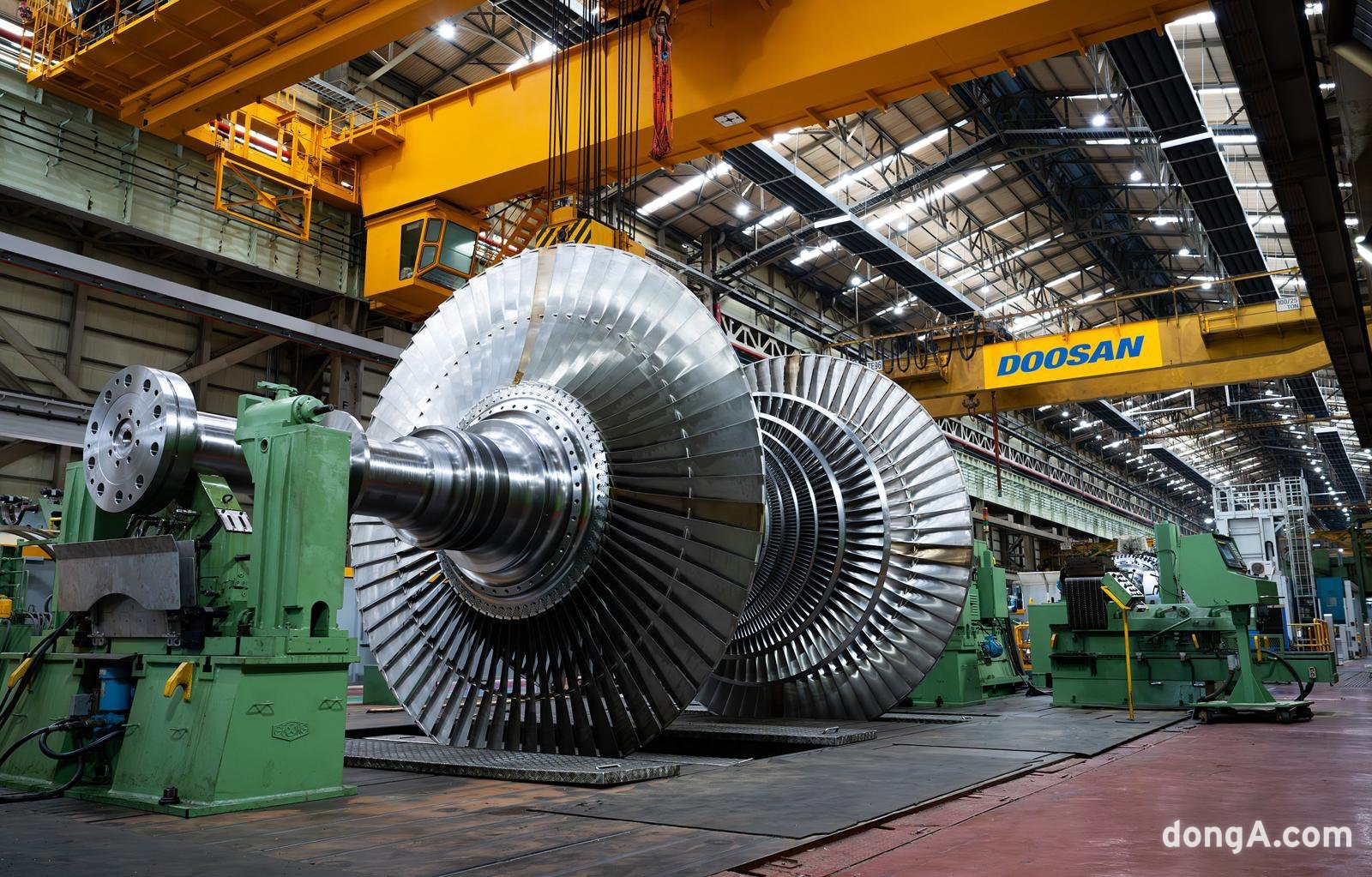
The sluggish progress stems from a complex interplay of factors, primarily a lack of robust supply chains, inadequate infrastructure, and prohibitive costs. For a wind turbine to be erected offshore, a comprehensive ecosystem is required: manufacturing facilities for large components, ports and vessels capable of assembly and transport, and a reliable grid connection to transmit electricity to the mainland. Furthermore, the economic viability, encompassing development, equipment, and financing costs, must be secured.
Industry stakeholders point to the opaque nature of project timelines and volumes as a major deterrent for supply chain companies. To meet government targets, the domestic supply chain needs to expand tenfold, from hundreds of megawatts (MW) annually to several GWs. However, without clear schedules for project commencement and orders, companies are hesitant to invest in large-scale manufacturing facilities and workforce expansion, fearing a lack of domestic track record for future investments.
Roadmaps will allow companies to determine the timing of factory, workforce, and capital investment based on projected equipment demand, and the government can then plan the supply of project sites and the schedule for consultation with stakeholders, working backward from the necessary production time.
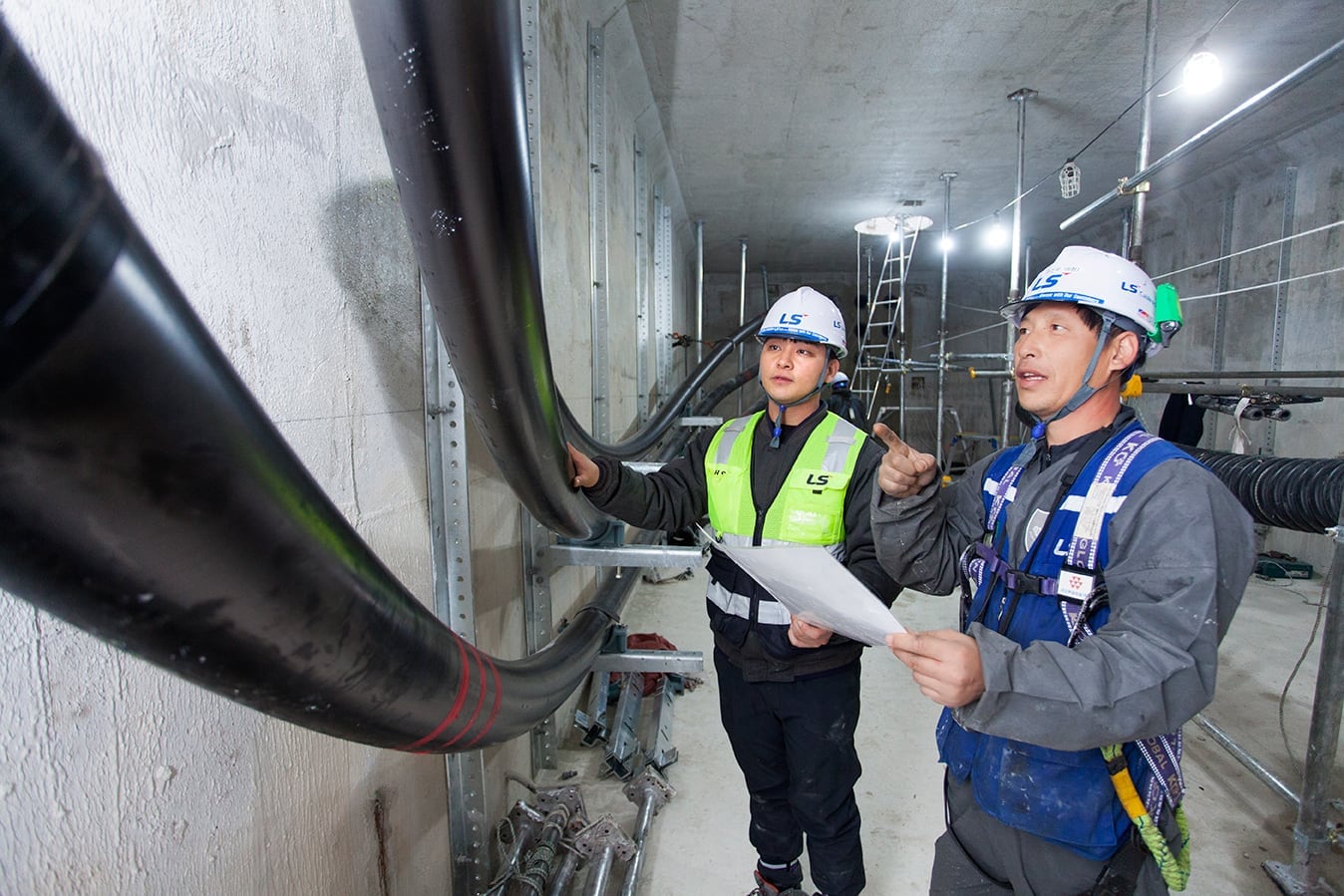
Challenges also persist in the development of essential infrastructure, including ports, installation vessels, and grid connections. Investors in infrastructure require visibility into future project volumes and schedules, while wind farm developers depend on this infrastructure being in place before committing to investments and construction. The grid connection, in particular, is a fundamental hurdle, as it involves public infrastructure, grid reinforcement, and local acceptance issues, alongside the complex task of allocating costs for shared connection facilities among multiple developers.
The industry must enter a virtuous cycle of supply chain expansion through large-scale investment, cost reduction, and increased deployment.
DistantNews Editorial
Originally published by Hankyoreh in Korean. Translated, summarized, and contextualized by our editorial team with added local perspective. Read our editorial standards.
More Stories


From Our Blog

What Gets Lost (and Found) When News Is Translated

The Critical Role of Diaspora Media in Global News

What Travellers Should Know About Countries with Restricted Press

A Digital Nomad's Guide to Following Local News

How the Same Story Looks Different in Different Countries
