


South Korea's opposition party finalizes bill to abolish prosecutors' investigation rights
Translated from Korean, summarized and contextualized by DistantNews.
At a glance
News
Sources not specified
Ongoing story
- South Korea's main opposition party, the Democratic Party, has finalized a bill to abolish prosecutors' supplementary investigation rights.
- The bill aims to separate investigation and prosecution powers and strengthen victim protection measures.
- The ruling People Power Party opposes the changes, but the Democratic Party plans to pass the bill by the end of the month.
South Korea's Democratic Party has finalized its legislative proposal to abolish prosecutors' supplementary investigation rights, a move aimed at fundamentally restructuring the country's prosecutorial system. This final version of the Criminal Procedure Act amendment seeks to separate investigative and prosecutorial functions, a key tenet of the party's reform agenda.
The core of the proposal involves deleting Article 196 of the Criminal Procedure Act, which grants prosecutors general investigative authority. While some within the party initially raised concerns about potential constitutional issues, the final draft reportedly omits these considerations. To compensate for the removal of prosecutors' direct investigative powers, the bill introduces enhanced controls over the "supplementary investigation request right." This provision would allow for disciplinary action against investigators who fail to comply with such requests without valid reasons.
Furthermore, the amendment includes measures to address cases where evidence might be intentionally omitted, allowing for the replacement of the investigating agency. Victim and witness protection is also bolstered, enabling complainants and whistleblowers, not just victims, to appeal police decisions not to forward cases. However, to prevent prolonged or frivolous appeals, a principle of a three-month application deadline is being considered.
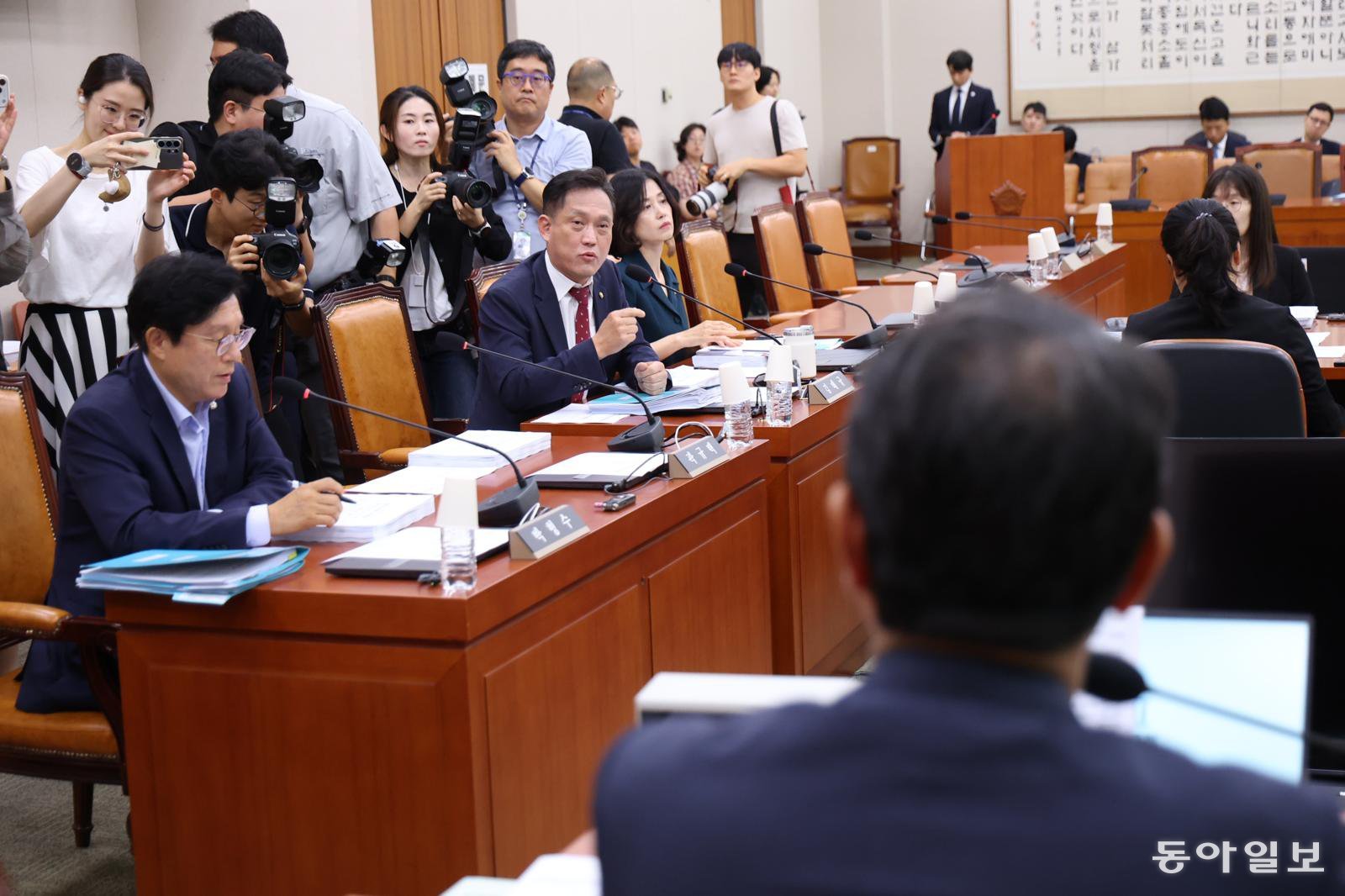
The ruling People Power Party has strongly opposed these changes, adopting the preservation of prosecutors' supplementary investigation rights as its party platform. They argue that the Democratic Party's push for reform is driven by political motives and is being rushed through the legislative process. Despite the opposition's objections and a walkout from a subcommittee meeting, the Democratic Party intends to push the bill through the Justice and Legislation Committee on July 29 and the National Assembly plenary session on July 30, aiming for finalization by the end of the month.
Are the people seen as experimental subjects for hasty legislation because of revenge against prosecutors and ambition for the party convention?
DistantNews Editorial
Originally published by Dong-A Ilbo in Korean. Translated, summarized, and contextualized by our editorial team with added local perspective. Read our editorial standards.
More Stories


From Our Blog

What Gets Lost (and Found) When News Is Translated

The Critical Role of Diaspora Media in Global News

What Travellers Should Know About Countries with Restricted Press

A Digital Nomad's Guide to Following Local News

How the Same Story Looks Different in Different Countries
