


South Korea's 'Pediatrician Deserts' Threaten Child Healthcare
Translated from Korean, summarized and contextualized by DistantNews.
At a glance
News
Official statement
Context piece
- Approximately 30% of South Korean cities and counties lack sufficient pediatric specialists, creating 'pediatrician deserts'.
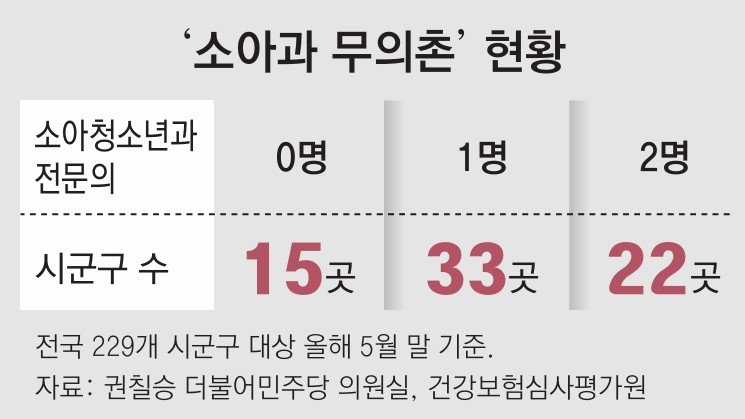
- 15 regions have zero pediatric specialists, and 33 have only one, forcing residents to travel for care or rely on general practitioners for serious conditions.
- Experts warn this shortage threatens emergency care for children and could accelerate rural depopulation, urging significant support for rural healthcare.
South Korea faces a critical shortage of pediatric specialists, with nearly a third of its cities and counties classified as 'pediatrician deserts.' As of late May, 70 out of 229 regions had two or fewer pediatric specialists, and 15 areas had none at all. This scarcity forces parents to seek care from general practitioners for mild illnesses or travel long distances for specialized treatment.
The golden hour for pediatric emergency patients can be threatened by the pediatric specialist vacancy.
In Haman County, Gyeongnam Province, over 6,500 children under 18 have no local pediatric specialists. A local clinic, primarily for internal medicine, still sees a high volume of pediatric patients out of necessity. One mother recounted a 70km journey to a university hospital after her son swallowed a coin, highlighting the lack of immediate options.
Unconventional support is needed for young doctors to stay in rural areas.
Healthcare professionals express grave concerns that this deficit jeopardizes the 'golden hour' for critically ill children. The situation is seen as a potential driver of rural decline, as families with young children may be unable to settle in areas lacking essential medical services. Calls are mounting for "unconventional support" to attract and retain pediatricians in underserved rural and fishing communities.
There is no hospital where I can go immediately.
DistantNews Editorial
Originally published by Dong-A Ilbo in Korean. Translated, summarized, and contextualized by our editorial team with added local perspective. Read our editorial standards.
More Stories


From Our Blog

What Gets Lost (and Found) When News Is Translated

The Critical Role of Diaspora Media in Global News

What Travellers Should Know About Countries with Restricted Press

A Digital Nomad's Guide to Following Local News

How the Same Story Looks Different in Different Countries
