


South Korea's prosecutor-led investigations to end in two months; concerns over 'five major gaps' remain
Translated from Korean, summarized and contextualized by DistantNews.
At a glance
Analysis
Sources not specified
New plan
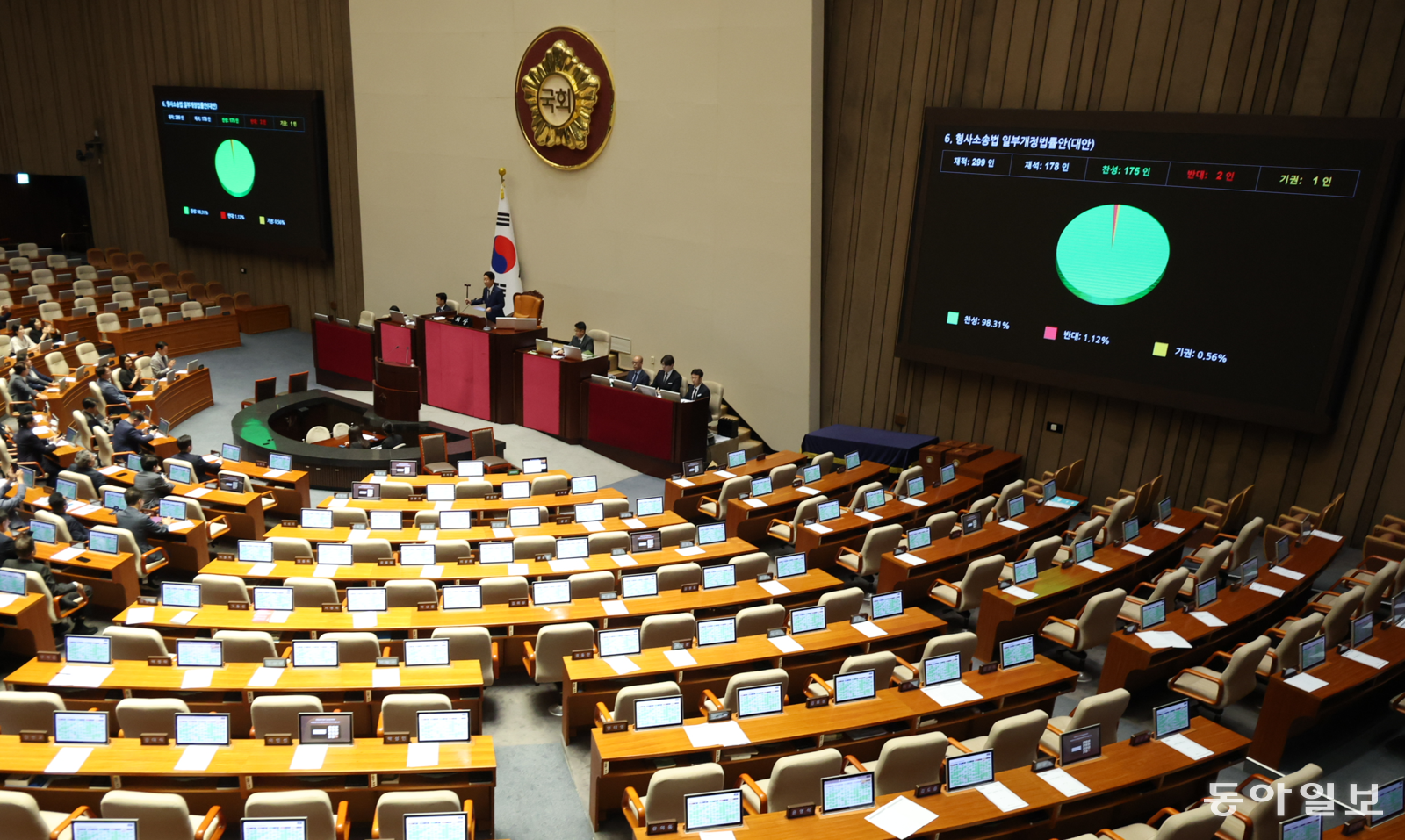
- South Korea's National Assembly passed a bill to abolish the prosecutor's direct investigation and supplementary investigation powers, effective in two months.
- This reform marks the end of the prosecutor's investigative era, which began in 1954, separating investigation and prosecution completely.
- Concerns exist about potential gaps in investigative functions and the need for public-focused reforms to address confusion and inconvenience.
South Korea is on the cusp of a significant shift in its legal system as a new law abolishes the prosecutor's direct investigation and supplementary investigation powers, set to take effect in two months. The National Assembly passed the amendment to the Criminal Procedure Act, which will completely separate investigative and prosecutorial functions for the first time in 72 years.
This reform signals the end of an era where prosecutors wielded immense power, having held both investigative and prosecutorial authority since the Criminal Procedure Act was established in 1954. While the reform aims to correct past abuses, such as targeted and separate investigations by some rogue prosecutors, critics argue that the rushed legislative process has sidelined the public, who are the ultimate consumers of criminal justice services.
As the October 2nd launch of the Corruption Investigation Office for High-ranking Officials (CIO) and the Prosecution Service approaches, concerns are mounting over potential confusion and inconvenience for the public. The article highlights five key areas that need immediate attention to ensure a smoother transition. These include addressing potential investigative gaps, improving police and prosecution cooperation, enhancing the professionalism of special investigators, establishing checks and balances on police power, and preparing for the relocation of thousands of investigative staff.
The reform also raises questions about the consistency of investigative powers, particularly concerning special prosecutors, and potential constitutional debates over the prosecutor's warrant request authority. The article stresses that true reform lies in changing the people involved, not just the laws and systems, to prevent the degradation of the criminal justice system.
DistantNews Editorial
Originally published by Dong-A Ilbo in Korean. Translated, summarized, and contextualized by our editorial team with added local perspective. Read our editorial standards.
More Stories


From Our Blog

What Gets Lost (and Found) When News Is Translated

The Critical Role of Diaspora Media in Global News

What Travellers Should Know About Countries with Restricted Press

A Digital Nomad's Guide to Following Local News

How the Same Story Looks Different in Different Countries
