


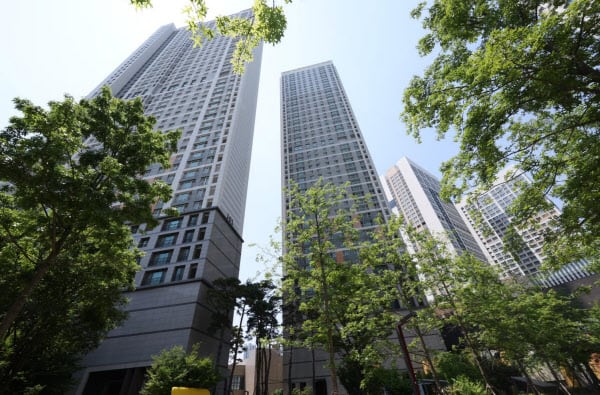
South Korea's real estate investors eye new targets after government tightens regulations
Translated from Korean, summarized and contextualized by DistantNews.
At a glance
News
Sources not specified
New plan
- Following new government regulations in South Korea, real estate investors are speculating about the next areas to benefit from loosened restrictions.
- The government designated areas in Dongtan, Giheung, Guri, and Yongin as heavily regulated zones, impacting property transactions.
- Investors are now looking towards areas like Sanbon, Dasan in Namyangju, and Manan-gu in Anyang as potential future investment targets.
South Korea's real estate market is abuzz with speculation following the government's announcement of additional regulations on key areas in the southern Gyeonggi province. Dongtan, Giheung, Guri, and Yongin have been designated as triple-regulated zones, encompassing adjusted target areas, speculative overheated areas, and land transaction permit zones.
This move by the government aims to curb property speculation and stabilize the market. However, it has also prompted real estate investors to shift their focus, actively discussing potential "next targets" that might benefit from the ripple effects of these new restrictions.
Industry watchers and investors are closely eyeing areas such as Sanbon, Dasan in Namyangju, and Manan-gu in Anyang. The expectation is that as demand is restricted in the newly regulated zones, it may spill over into these adjacent or nearby areas, potentially driving up property values and transaction volumes.
The dynamic reflects a common pattern in real estate investment, where regulatory changes in one area often lead to a redirection of capital and interest to other, less restricted locations. Investors are keen to identify these emerging opportunities before they become widely recognized.
DistantNews Editorial
Originally published by Chosun Ilbo in Korean. Translated, summarized, and contextualized by our editorial team with added local perspective. Read our editorial standards.
More Stories



From Our Blog

What Gets Lost (and Found) When News Is Translated

The Critical Role of Diaspora Media in Global News

What Travellers Should Know About Countries with Restricted Press

A Digital Nomad's Guide to Following Local News

How the Same Story Looks Different in Different Countries
