


South Korea's Real Estate Market Faces Three Key Shifts
Translated from Korean and summarized by DistantNews. Read the original for the full story.
At a glance
Analysis
Sources not specified
Context piece
- South Korea's real estate market is undergoing significant changes driven by land, capital, and lifestyle realignments.
- Military land is being repurposed for industrial and residential development, particularly in the Seoul metropolitan area and Gwangju.
- These shifts are influenced by economic restructuring, construction industry changes, and evolving lifestyles, with a focus on strategic industries like AI.
South Korea's real estate landscape is entering a period of profound transformation, marked by three critical shifts: the repurposing of military land, a restructuring of capital within the construction sector, and adaptations to changing lifestyles. These changes are reshaping the market, creating new opportunities for wealth accumulation.
A key development is the "land realignment" initiative, which transforms former military sites into engines for economic growth. In the Seoul metropolitan area, approximately 22 million square meters of military protection zones, equivalent to eight times the size of Yeouido, have seen deregulation or de-designation. This opens vast tracts of land for new development.
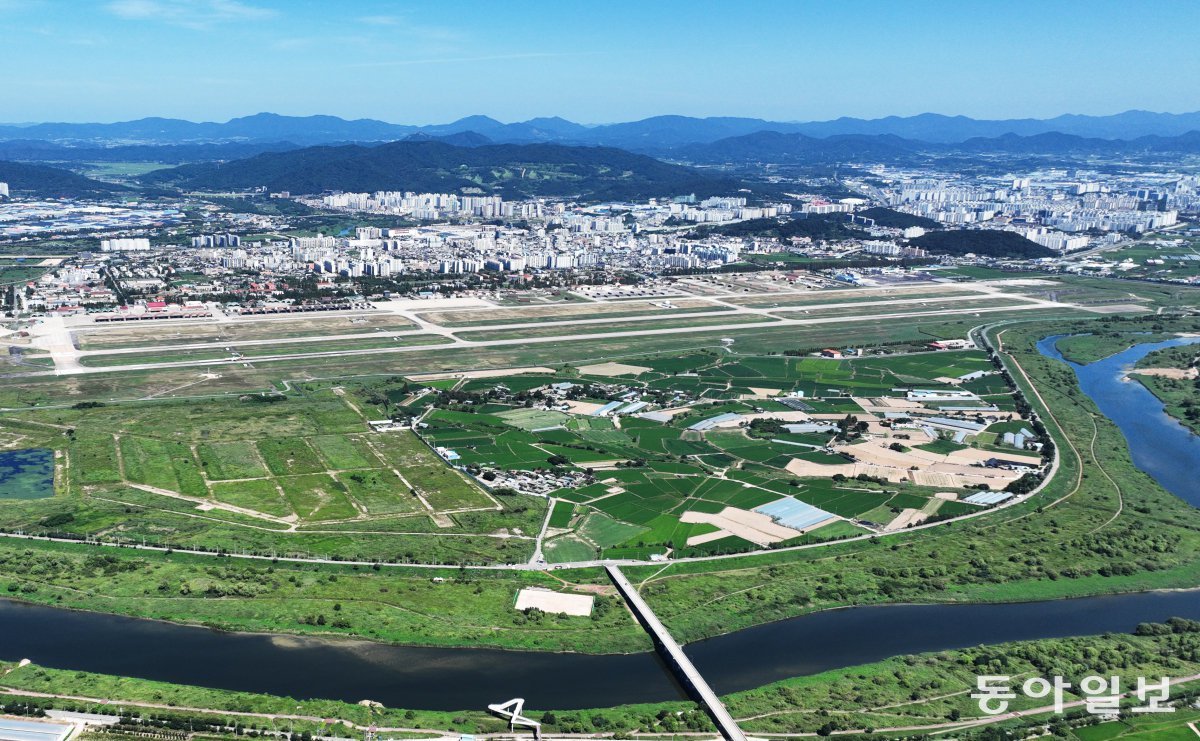
Further afield, the Gwangju military airport site, spanning an area three times the size of Yeouido, has been designated for the Honam region's semiconductor cluster. This strategic move aligns with the global race for AI dominance, broadening the concept of national security to encompass the fostering of strategic industries.
These realignments are not just about land use; they reflect broader economic and societal changes. The construction industry is undergoing its own restructuring, influencing capital flows. Simultaneously, evolving lifestyles are driving demand for different types of housing and urban environments. The focus on areas like Sangam, Susek, and Deogeun in the Seoul metropolitan area, where deregulation is occurring, highlights the potential for significant real estate value appreciation as these former military lands are integrated into the urban fabric.
About this summary
Originally published by Dong-A Ilbo in Korean. Translated, summarized, and contextualized automatically by DistantNews, with a note on how the source frames the story. Not individually reviewed before publishing. How this works.
More Stories


From Our Blog

What Gets Lost (and Found) When News Is Translated

The Critical Role of Diaspora Media in Global News

What Travellers Should Know About Countries with Restricted Press

A Digital Nomad's Guide to Following Local News

How the Same Story Looks Different in Different Countries
