

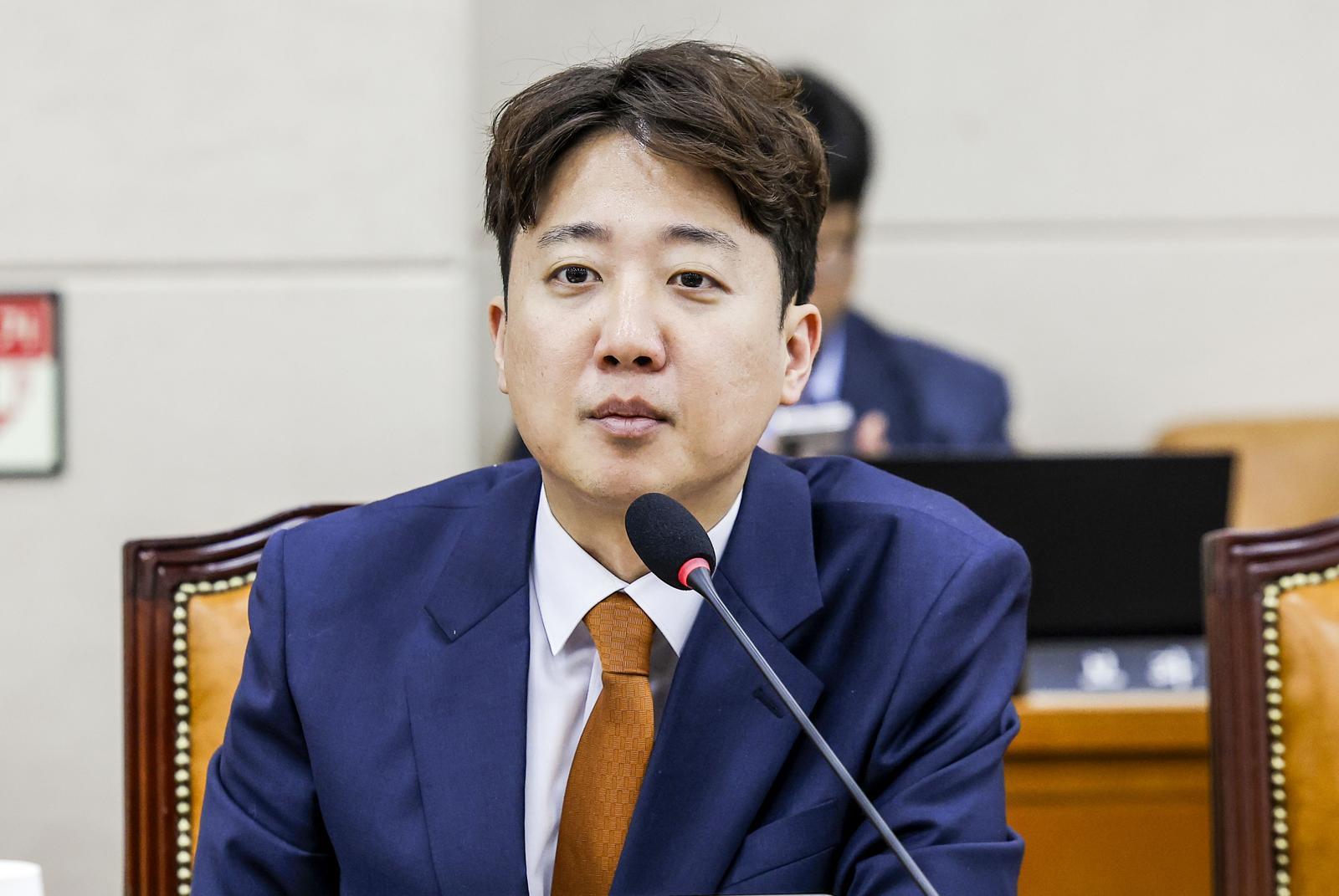

South Korea's stock market fails MSCI developed index inclusion again
Translated from Korean, summarized and contextualized by DistantNews.
At a glance
News
Official statement
Context piece
- South Korea's stock market failed again to be included in the MSCI developed market index due to ongoing issues with the won's convertibility.
- MSCI acknowledged South Korea's market authority's efforts but stated that fundamental problems remain unresolved.
- The exclusion means South Korea remains in the emerging markets index, alongside countries like China and India.
South Korea's stock market has once again missed out on inclusion in the MSCI developed market index, with the index provider citing persistent issues regarding the won's offshore convertibility. MSCI acknowledged the measures announced by South Korea's market authorities but concluded that investors found fundamental problems remain unresolved.
In its annual market classification review, MSCI stated that the won cannot be physically settled in the offshore foreign exchange market. This limitation is a key reason for the exclusion. Additionally, MSCI noted that market participants face significant operational burdens under the newly implemented market surveillance regulations, particularly following the full resumption of short selling in March.
The won is not physically deliverable offshore.
South Korea has been seeking inclusion in the developed market index since 2008, when it was first added to the observation list after 16 years in the emerging markets index. MSCI has repeatedly postponed the upgrade, citing difficulties with won convertibility and limited access to exchange data. In 2014, South Korea was removed from the observation list altogether.
Currently, South Korea is classified as an emerging market country by MSCI, alongside nations such as China and India. The developed market index includes 23 countries, including the United States and Japan. The failure to achieve developed market status has implications for foreign investment and the perception of South Korea's financial market maturity.
Investors reacted that the fundamental problems have not been completely resolved.
DistantNews Editorial
Originally published by Hankyoreh in Korean. Translated, summarized, and contextualized by our editorial team with added local perspective. Read our editorial standards.
More Stories


From Our Blog

What Gets Lost (and Found) When News Is Translated

The Critical Role of Diaspora Media in Global News

What Travellers Should Know About Countries with Restricted Press

A Digital Nomad's Guide to Following Local News

How the Same Story Looks Different in Different Countries
