


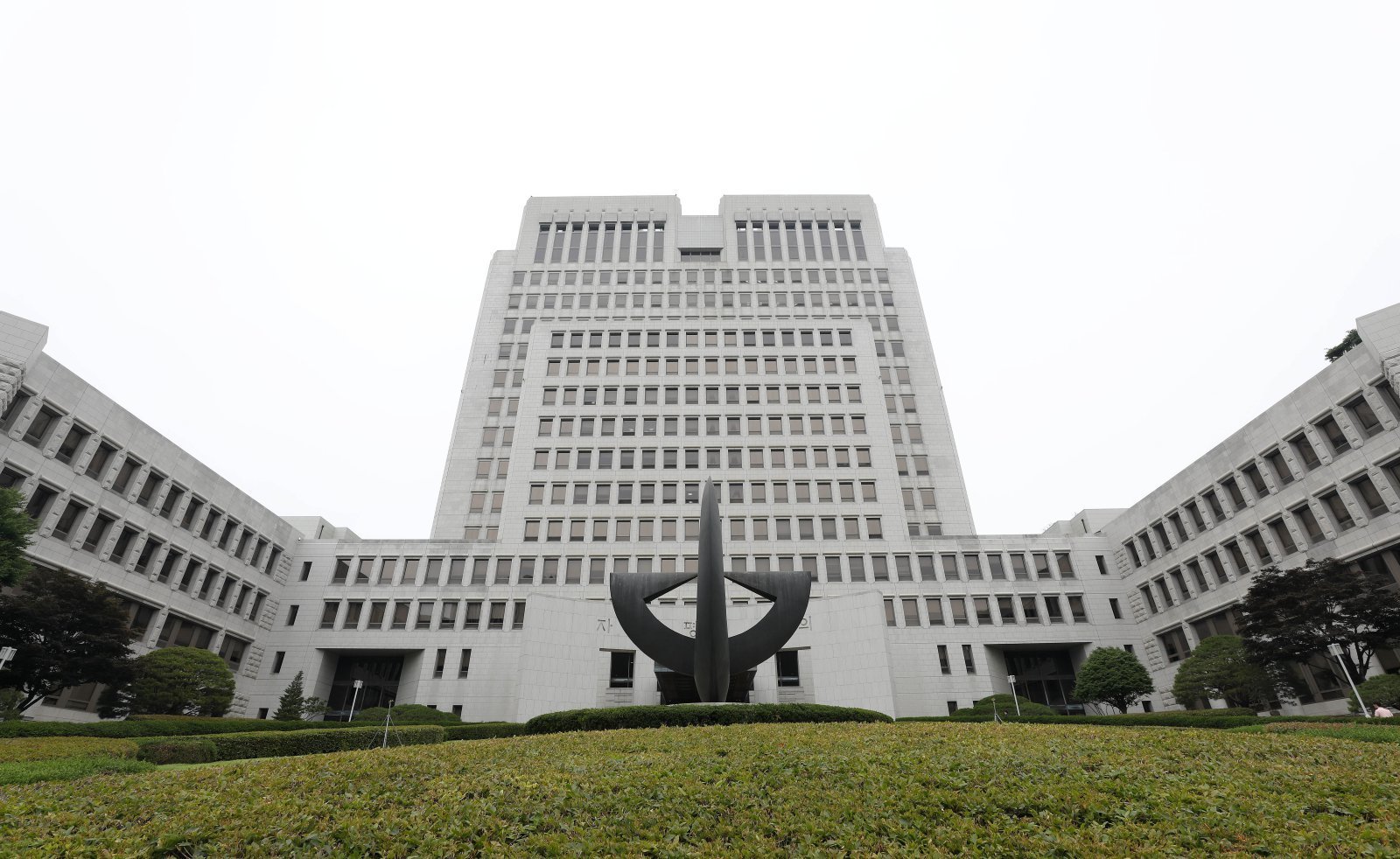
South Korea’s Supreme Court Rules Enclosed Room Cafes Barred to Minors
Translated from Korean and summarized by DistantNews. Read the original for the full story.
At a glance
News
Documents & data
In the courts
- The Supreme Court overturned an acquittal involving a room cafe in Suwon and sent the case back to the Suwon District Court.
- The cafe contained 16 partitioned rooms, 14 of which blocked outside views, and admitted customers aged 14 to 17 without checking their ages.
- The court said the layout could allow physical contact, sexual acts or similar conduct, bringing the business within the law’s restricted category.
South Korea’s Supreme Court has said room cafes with enclosed, hard-to-monitor spaces may fall under businesses barred from admitting minors.
The Supreme Court’s First Division recently overturned an acquittal involving the operator of a room cafe in Yeongtong-gu, Suwon, and sent the case back to the Suwon District Court. Prosecutors had accused the operator of failing to display the required notice and allowing boys and girls aged 14 to 17 to enter on Feb. 22, 2023.
The cafe had 16 rooms separated by partitions or sliding doors. Fourteen rooms had interiors that could not be seen from outside. At the time of an inspection, groups of two minors were using four rooms, and staff had admitted them without checking their ages.
Room cafes were provided in reality as rest spaces where sexual acts were possible.
The Youth Protection Act classifies businesses as prohibited to minors when they provide services where sexual conduct, or similar conduct, could occur between unspecified customers. Related regulations include rooms, enclosed spaces and areas divided by partitions or similar facilities.
A first-instance court had imposed a 2 million won fine, finding that the rooms offered private spaces where sexual activity could realistically occur. It also cited televisions and mats large enough for people to lie down. An appeals court later acquitted the operator, saying the cafe did not provide sexual services, introduce unrelated customers or operate as a matchmaking venue.
The Supreme Court rejected that reasoning. It said the cafe was open to unspecified customers and designed so people outside could not easily check what happened inside. The court found substantial grounds to view the business as one where kissing, physical contact, sexual acts or similar conduct could occur.
The room cafe is a place that unspecified customers can use, and its structure makes it difficult to check the interior from outside.
About this summary
Originally published by Dong-A Ilbo in Korean. Translated, summarized, and contextualized automatically by DistantNews, with a note on how the source frames the story. Not individually reviewed before publishing. How this works.
More Stories


From Our Blog

What Gets Lost (and Found) When News Is Translated

The Critical Role of Diaspora Media in Global News

What Travellers Should Know About Countries with Restricted Press

A Digital Nomad's Guide to Following Local News

How the Same Story Looks Different in Different Countries
