


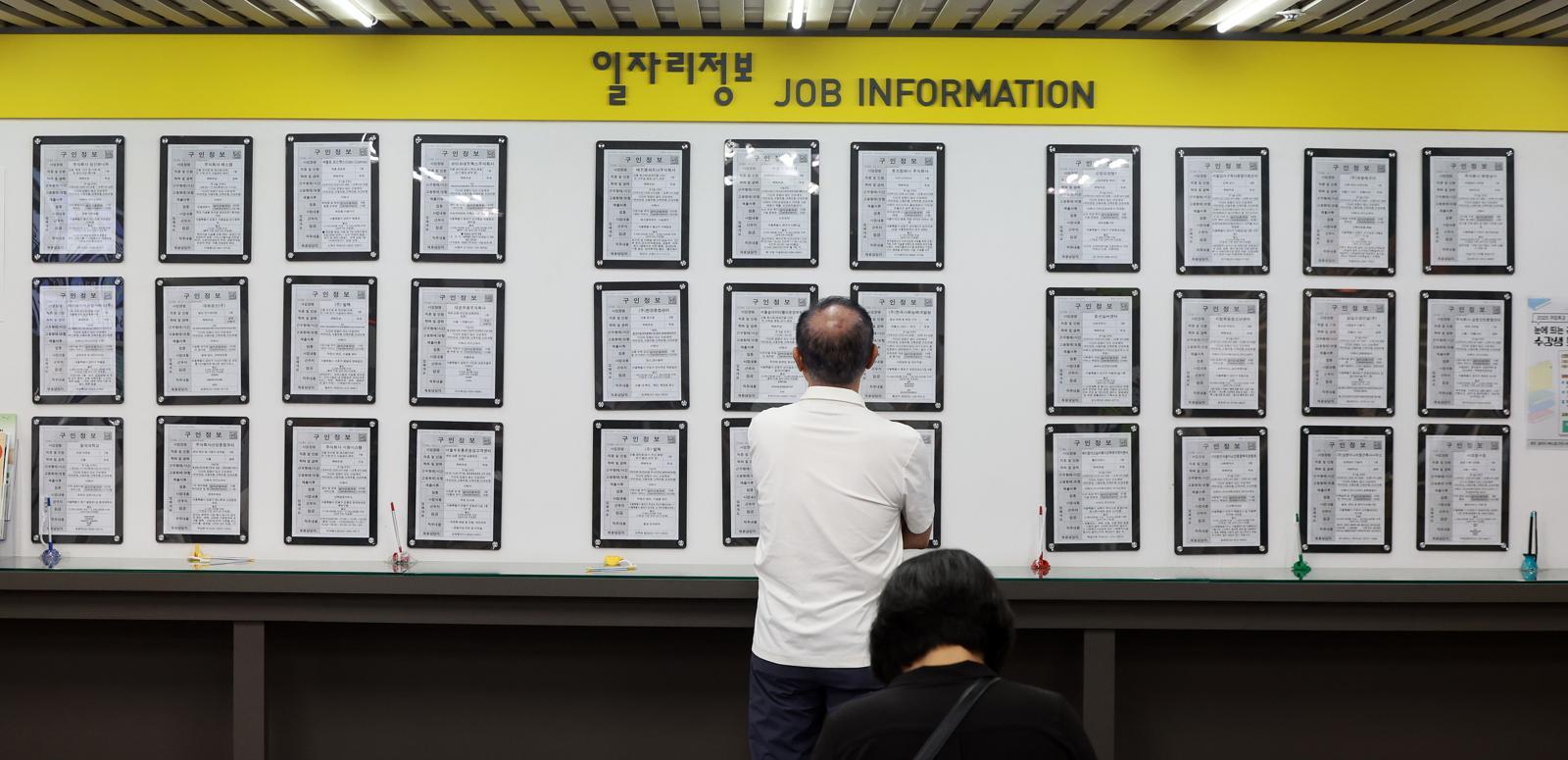
South Korea's unemployment fund faces record deficit, needs urgent reform
Translated from Korean, summarized and contextualized by DistantNews.
At a glance
Analysis
Sources not specified
Context piece
- South Korea's unemployment benefit fund recorded a record deficit of 1.78 trillion won last year, exceeding even the COVID-19 pandemic period.
- The deficit is attributed to rapidly rising benefit payouts, linked to minimum wage increases, and a shrinking contributor base.
- Experts urge reforms, including lowering the benefit floor and restructuring expenditures, to prevent the depletion of the employment insurance fund.
South Korea's employment insurance fund faces a critical financial challenge, having recorded a record deficit of approximately 1.78 trillion won (about $1.3 billion) in unemployment benefit payouts last year. This figure surpasses even the payouts during the height of the COVID-19 pandemic, signaling a deepening employment crisis.
The surge in expenditures, which accounted for about 83% of the total employment insurance spending, is largely due to benefit levels that have rapidly increased, particularly the minimum payout tied to the minimum wage. This has led to a situation where the minimum benefit can exceed the maximum, prompting the Ministry of Employment and Labor to raise the upper limit for the first time in six years. The fund's actual reserves, after accounting for borrowed funds, have dwindled to just 79.6 billion won, raising concerns about its long-term sustainability.
Analysts and government bodies, including the Board of Audit and Inspection, are calling for urgent reforms. Key proposals include adjusting the calculation method for the minimum unemployment benefit and restructuring spending. The current system, where the minimum benefit is set at 80% of the minimum wage, means that individuals not working can receive more than those who are employed, a situation deemed problematic. Furthermore, the number of individuals repeatedly claiming benefits is increasing, adding to the financial strain.
Compounding the issue is a shrinking base of insured workers, with the number of employment insurance subscribers seeing its smallest increase since 1997. This trend, coupled with an aging population and the resulting increase in unemployment benefit payouts, suggests that the financial pressure on the fund will likely intensify. Without significant reforms to ensure fiscal stability, expanding support programs will become increasingly difficult.
DistantNews Editorial
Originally published by Dong-A Ilbo in Korean. Translated, summarized, and contextualized by our editorial team with added local perspective. Read our editorial standards.
More Stories

From Our Blog

What Gets Lost (and Found) When News Is Translated

The Critical Role of Diaspora Media in Global News

What Travellers Should Know About Countries with Restricted Press

A Digital Nomad's Guide to Following Local News

How the Same Story Looks Different in Different Countries
