


South Korea’s UNESCO-listed tidal flats expanded with 4 new sites
Summarized and contextualized by DistantNews.
At a glance
News
From a news agency
Outcome reported
- UNESCO's World Heritage Committee approved the expansion of South Korea's "getbol" tidal flats, adding four new coastal areas.
- The expanded site now includes six components, incorporating tidal flats in Seosan, Goheung, Muan, and Yeosu.
- These tidal flats are recognized for their complex geological conditions, high biodiversity, and critical habitats for migratory birds.
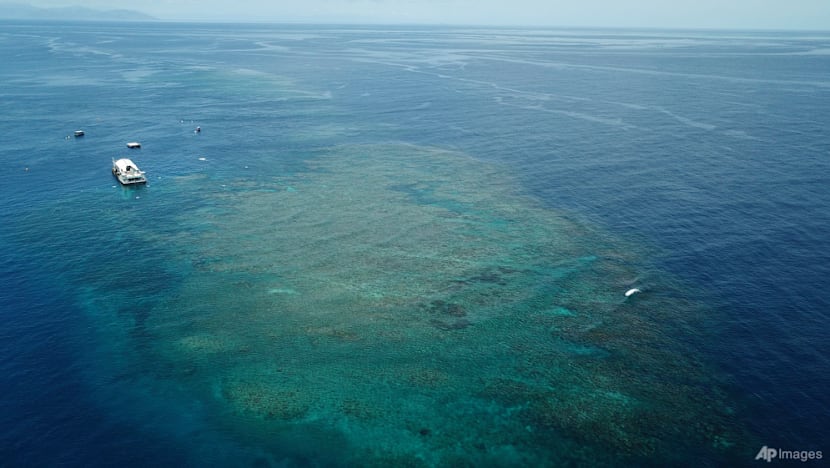
South Korea's "getbol," or tidal flats, have seen a significant expansion on the UNESCO World Heritage List, with four new coastal areas approved by the World Heritage Committee on July 25. This expansion, during the committee's annual session in Busan, grows the site first listed in 2021 from four to six components.
The newly added tidal flats are located in Seosan, South Chungcheong province, and in Goheung, Muan, and Yeosu, all within South Jeolla province. These new sites will be grouped with existing ones: Goheung and Yeosu will join the Boseong-Suncheon Getbol, while Seosan and Muan will be listed separately. This brings the total number of distinct properties to six.
UNESCO highlighted the sites' unique "complex combination of geological, oceanographic and climatological conditions" that have fostered diverse coastal sedimentary systems. The "getbol" is recognized as one of the world's largest and most productive tidal flat ecosystems. It supports a rich biodiversity, hosting 2,150 species of flora and fauna, including 22 globally threatened or near-threatened species. Additionally, it provides crucial habitats for 118 migratory bird species.
The decision was made during the 48th session of the World Heritage Committee, hosted by South Korea for the first time. Many coastal communities continue to depend on the area's marine resources through traditional harvesting practices, underscoring the ecological and economic importance of these newly expanded World Heritage sites.
complex combination of geological, oceanographic and climatological conditions (has) led to the development of coastal diverse sedimentary systems
DistantNews Editorial
Originally published by The Straits Times. Summarized and contextualized by our editorial team with added local perspective. Read our editorial standards.
More Stories


From Our Blog

What Gets Lost (and Found) When News Is Translated

The Critical Role of Diaspora Media in Global News

What Travellers Should Know About Countries with Restricted Press

A Digital Nomad's Guide to Following Local News

How the Same Story Looks Different in Different Countries
