


South Korea's World Cup exit: Incompetent leadership sowed seeds of defeat
Translated from Korean, summarized and contextualized by DistantNews.
At a glance
Analysis
Sources not specified
Context piece
- South Korea's national football team was eliminated from the 2026 North America World Cup after losing to South Africa in their final group stage match.
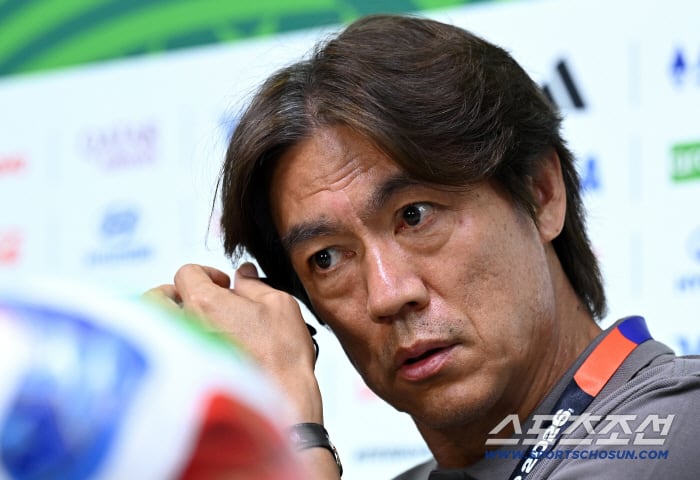
- The article criticizes coach Hong Myung-bo's tactical decisions and Football Association President Chung Mong-gyu's leadership for the team's failure.
- It also points to the politicization and commercialization of football in South Korea as contributing factors to the decline.
South Korea's bid for the 2026 North America World Cup ended in disappointment, with the national team eliminated after a 0-1 loss to South Africa in their final group stage match. Fans, initially hopeful, were left disheartened as the team's fate rested on other match results, ultimately confirming that self-reliance is paramount in the competitive world of sports.
In the cruel world of competition, no one helps you if you don't stand on your own.
The article lays significant blame on coach Hong Myung-bo's tactical approach. Despite his experience from the 2014 World Cup failure, his strategy of prioritizing a "practical football" style, aiming for narrow victories, faltered. The piece argues that when trailing against South Africa, the team should have shifted to a more aggressive offensive strategy to seek an equalizer, rather than fearing further concessions. This missed opportunity disappointed fans who had anticipated more dynamic play.
In the final match against South Africa, it was a case of too much of a good thing.
Furthermore, the leadership of Football Association President Chung Mong-gyu is scrutinized. While acknowledging achievements like the construction of the Korea Football Park, the article criticizes his inability to exert effective leadership within the association. Internal organizational reforms reportedly caused friction, and a failure to appoint capable individuals to key positions led to repeated misjudgments in navigating the evolving football landscape. The article suggests that despite his genuine passion for football, Chung failed to unite the sport's energy effectively.
The responsibility to make the players run more lies with the coach.
The piece also touches upon the politicization and commercialization of football in South Korea. It notes how political figures have intervened, with the Ministry of Culture, Sports and Tourism even questioning coach Hong's appointment process. The article suggests that such interventions, along with sensationalist criticism from YouTubers, have undermined the team's confidence. It contrasts this with Japan's long-term vision and consistent game model, highlighting a perceived lack of internal drive within the Korean Football Association due to internal instability.
Despite his genuine passion for football, he failed to unite the energy of Korean football.
DistantNews Editorial
Originally published by Hankyoreh in Korean. Translated, summarized, and contextualized by our editorial team with added local perspective. Read our editorial standards.
More Stories

From Our Blog

What Gets Lost (and Found) When News Is Translated

The Critical Role of Diaspora Media in Global News

What Travellers Should Know About Countries with Restricted Press

A Digital Nomad's Guide to Following Local News

How the Same Story Looks Different in Different Countries
