


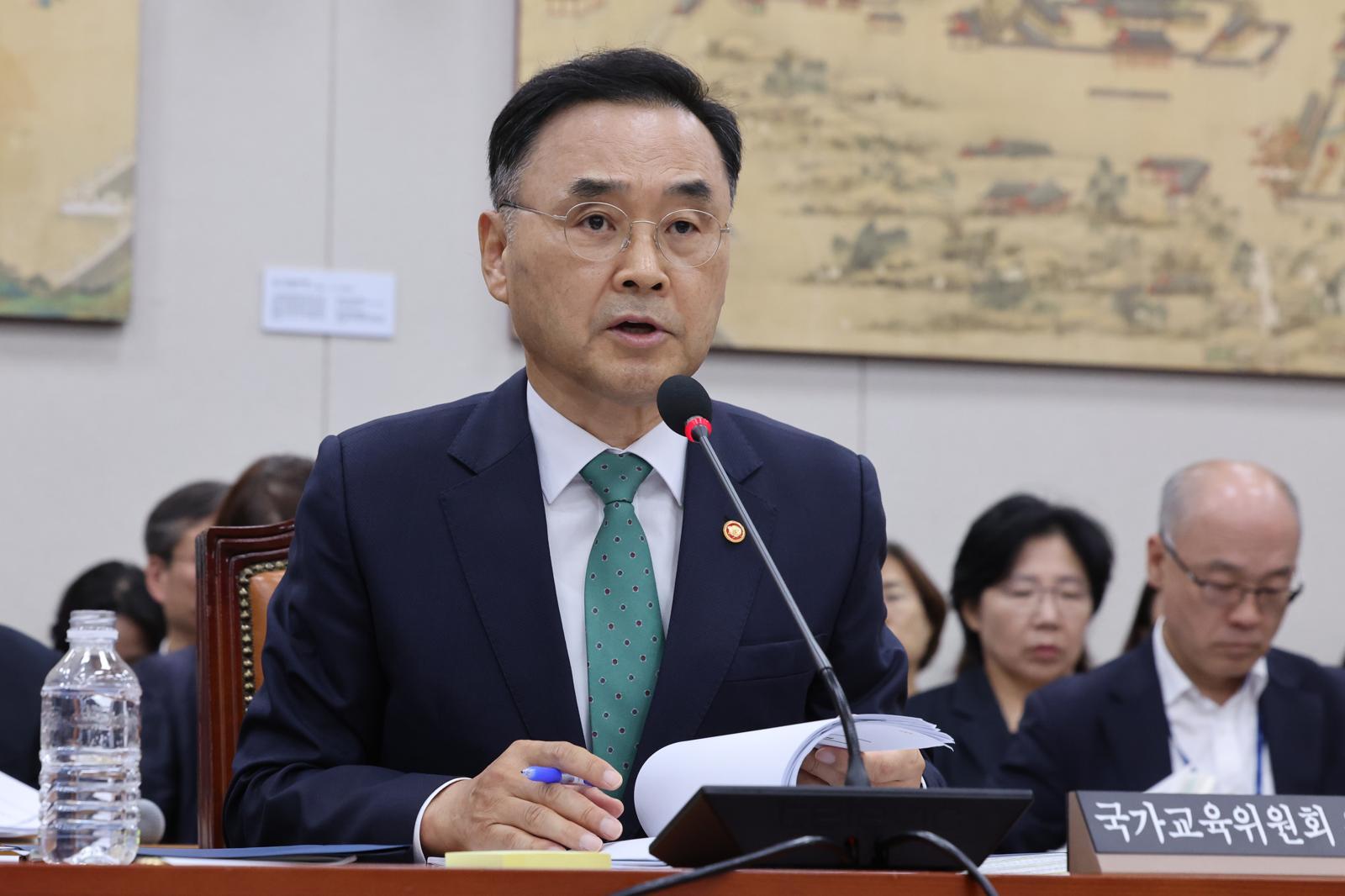
South Korea seeks input on college entrance exam reforms amid fairness concerns
Translated from Korean, summarized and contextualized by DistantNews.
At a glance
News
Named sources
New plan
- South Korea's National Education Commission is seeking public opinion on potential changes to the college entrance exam (Suneung).
- Proposals include introducing essay-style questions, but critics question the fairness of the consultation process.
- Officials state that no decisions have been made, with a draft plan expected in October and finalization in March.
South Korea's National Education Commission (NEC) is initiating a public consultation process regarding significant reforms to the College Scholastic Ability Test (Suneung), the nation's crucial university entrance examination. The commission plans to gather public input through various channels, including a two-day workshop for a citizen participation committee and online platforms, ahead of releasing a draft proposal in October.
The proposed changes include the introduction of essay-style (written and subjective) questions, a move aimed at fostering critical thinking and analytical skills beyond rote memorization. This potential shift has sparked debate, with concerns raised about fairness, the potential expansion of private tutoring (hagwons), and the overall impact on the highly competitive college admissions landscape.
If essay-style questions are introduced, there's no need to go to private academies; reading is sufficient.
However, the consultation process has drawn criticism, with some questioning whether the outcome is predetermined. Comments made by NEC Chairman Cha Jeong-in, suggesting that essay-style questions would not necessitate private tutoring and that thinking skills are sufficient through reading, have led to accusations that the commission is merely going through the motions of public opinion gathering after already deciding on the reforms.
Past attempts by the Ministry of Education to introduce similar essay formats were shelved due to concerns about insufficient preparation and the risk of exacerbating private education spending. As the NEC moves forward, it maintains that no definitive direction has been set, promising a draft plan in October and a finalized version in March of next year, following thorough deliberation based on public feedback.
They seem to be pushing for it, saying it's necessary for expanding thinking skills in the AI era, not just finding answers, even though there's considerable opposition.
DistantNews Editorial
Originally published by Dong-A Ilbo in Korean. Translated, summarized, and contextualized by our editorial team with added local perspective. Read our editorial standards.
More Stories


From Our Blog

What Gets Lost (and Found) When News Is Translated

The Critical Role of Diaspora Media in Global News

What Travellers Should Know About Countries with Restricted Press

A Digital Nomad's Guide to Following Local News

How the Same Story Looks Different in Different Countries
