


South Korea Selects Suwon, Busan, Seongnam for 2026 Smart City Projects
Translated from Korean, summarized and contextualized by DistantNews.
At a glance
News
Sources not specified
New plan
- South Korea's Ministry of Land, Infrastructure, and Transport has selected Suwon, Busan, and Seongnam as target cities for its smart city development project in 2026.
- Suwon will receive up to 16 billion won in national funding over three years for its AI-based smart city services and mobility systems.
- Busan and Seongnam will focus on specific districts, receiving up to 8 billion won each for AI-based urban verification platforms and data-based mobility hubs.
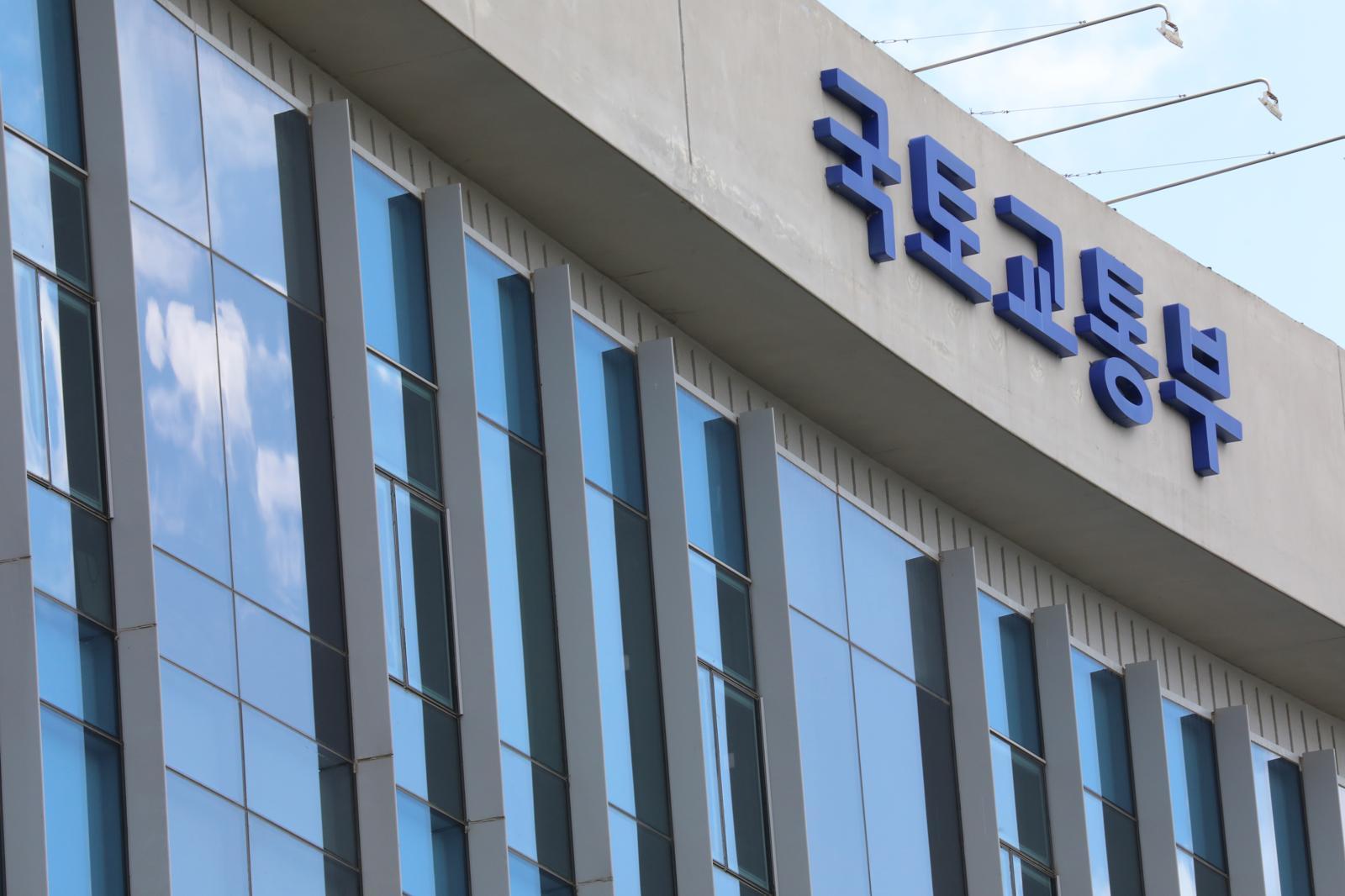
South Korea's Ministry of Land, Infrastructure, and Transport has announced the selection of Suwon, Busan, and Seongnam as the primary cities for its 2026 Smart City Creation Project. This initiative aims to foster the development of smart cities by leveraging artificial intelligence (AI) and other smart technologies to address urban challenges and stimulate the smart city industry.
Suwon City, designated as a core smart city, will benefit from a three-year project with a maximum national subsidy of 16 billion won. The funding will be matched by local government contributions on a one-to-one basis. Suwon plans to implement citizen-centric smart city services based on physical AI, alongside developing a smart mobility system that includes car-sharing and robotic parking.
Busan and Seongnam have been selected as specialized smart city zones, each eligible for up to 8 billion won in national funding. Busan will focus on establishing an AI-based urban verification platform in the Centum City area to pilot future urban services. Seongnam aims to create a data-based life mobility specialized zone encompassing the Pangyo Techno Valley and Bundang Seoul National University Hospital area.
The true completion of smart cities is not just in building splendid infrastructure, but in responsible operation with local governments taking the lead.
Additionally, the Data Hub Pilot Solution Discovery Project selected Gyeongsangnam-do Province and Taean County in Chungcheongnam-do Province. These regions will receive up to 1 billion won in national funding for a one-year project focused on developing versatile solutions based on a wide-area data hub. Gyeongsangnam-do will build a platform using tourism data to offer personalized travel courses and manage traffic flow, while Taean County will develop an AI-based coastal safety management system.
Lee Ki-bong, Director of Urban Policy at the Ministry of Land, Infrastructure, and Transport, emphasized that the true success of smart cities lies not just in infrastructure but in responsible operation led by local governments. He assured that the government would act as a strong supporter, maintaining constant communication and providing assistance.
The government will also act as a strong supporter, communicating and supporting at all times.
DistantNews Editorial
Originally published by Dong-A Ilbo in Korean. Translated, summarized, and contextualized by our editorial team with added local perspective. Read our editorial standards.
More Stories


From Our Blog

What Gets Lost (and Found) When News Is Translated

The Critical Role of Diaspora Media in Global News

What Travellers Should Know About Countries with Restricted Press

A Digital Nomad's Guide to Following Local News

How the Same Story Looks Different in Different Countries
