


South Korea Tackles Rising Trend of Underperforming Students
Translated from Korean, summarized and contextualized by DistantNews.
At a glance
News
Sources not specified
New plan
- A growing number of students in South Korea are performing poorly academically, with the percentage of those achieving low scores in national assessments increasing over the past nine years.
- The Ministry of Education is analyzing the causes and planning countermeasures, including expanding participatory math education and after-school tutoring programs.
- The trend shows a decline in students reaching satisfactory achievement levels, particularly in Korean language and mathematics, prompting the government to focus on improving foundational skills.
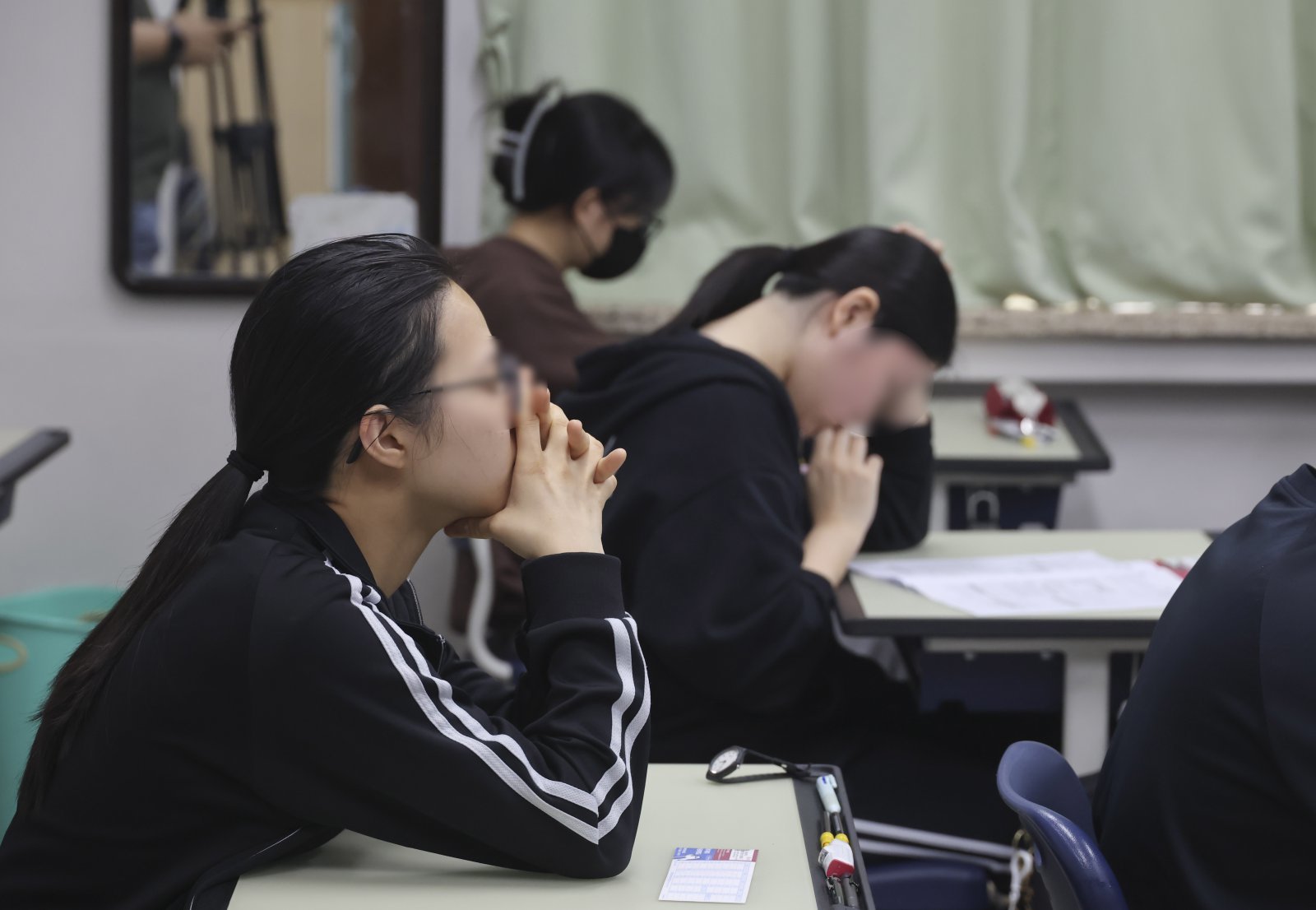
South Korea is facing a concerning trend of increasing numbers of students performing below academic expectations, according to recent national assessment results. Data from 2017 to 2025 indicates a steady rise in students categorized as having "low" or "very low" achievement levels across core subjects like Korean language, mathematics, and English.
For instance, the proportion of middle school seniors scoring in the "very low" category (Level 1) for mathematics rose from 7.1% in 2017 to 14.9% in 2025. Similarly, the percentage of students achieving "satisfactory or above" levels (Level 3 or higher) in math dropped from 67.6% in 2017 to just 49.6% in 2025. While officials caution against extrapolating these sample-based figures to the entire student population, the upward trend in low achievement is undeniable.
The figures apply to the sampled students, so extrapolating them to all students in the country is a bit of a stretch, but we can describe it as an increasing trend.
In response, the Ministry of Education is intensifying efforts to analyze the complex factors contributing to this decline and to develop targeted interventions. The ministry plans to expand support for participatory and inquiry-based mathematics education, incorporating AI and digital tools. Additionally, programs like the "STEM Step-In Project" will connect students with experts to foster interest in STEM fields. To combat cumulative learning loss, the ministry will also bolster after-school and vacation tutoring, including small-group and one-on-one mentoring for students needing extra support.
The focus is on preventing learning gaps from widening and improving overall foundational academic skills. These initiatives aim to boost student confidence and engagement, particularly in mathematics, and ensure a more robust educational foundation for all learners.
It is difficult to pinpoint a clear cause as various factors are mixed together. We need to analyze all variables and examine their causality and correlation.
DistantNews Editorial
Originally published by Dong-A Ilbo in Korean. Translated, summarized, and contextualized by our editorial team with added local perspective. Read our editorial standards.
More Stories



From Our Blog

What Gets Lost (and Found) When News Is Translated

The Critical Role of Diaspora Media in Global News

What Travellers Should Know About Countries with Restricted Press

A Digital Nomad's Guide to Following Local News

How the Same Story Looks Different in Different Countries
