


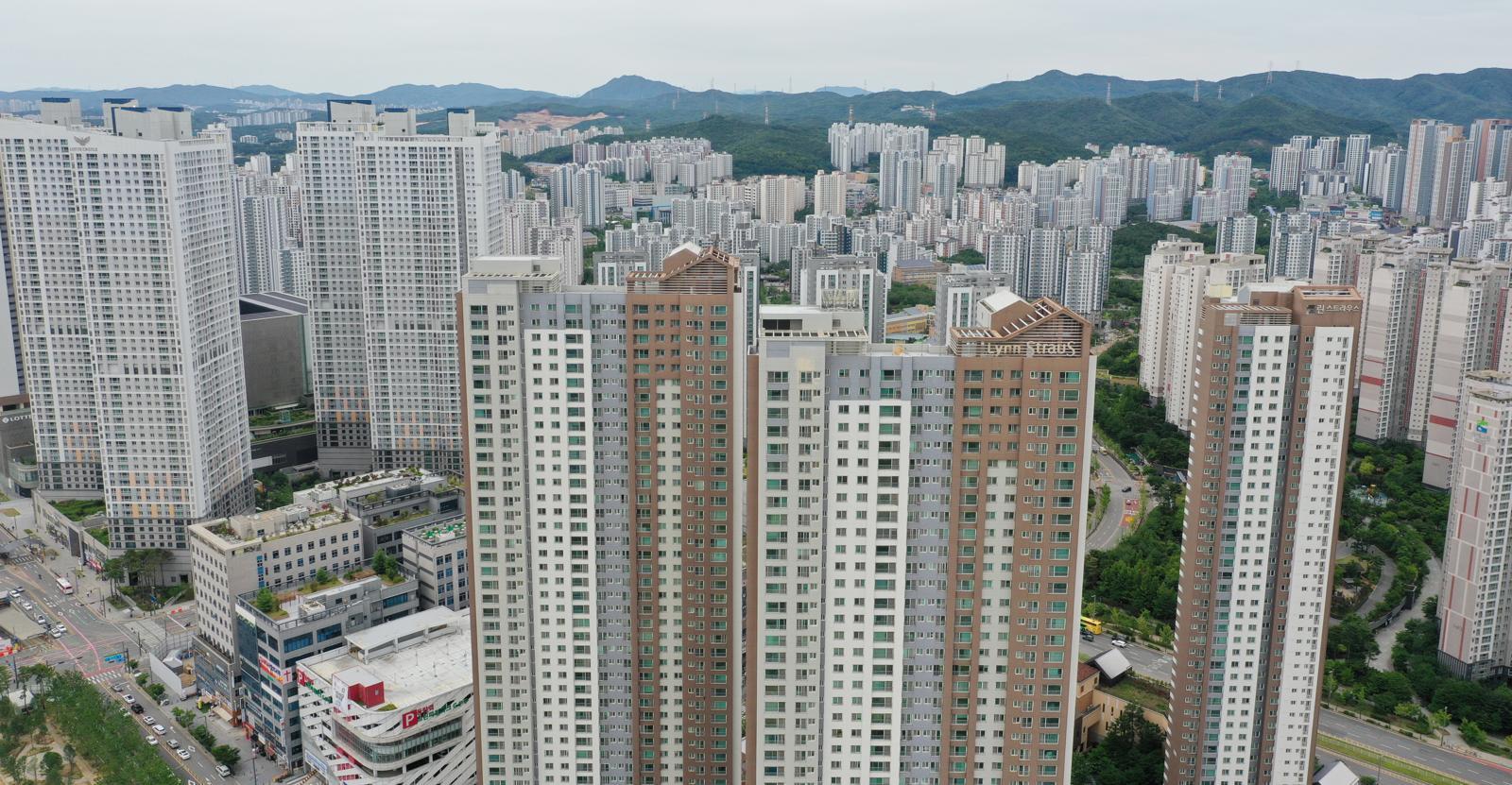
South Korea Tightens Real Estate Controls in Hwaseong, Yongin, and Guri Amid Price Surge
Translated from Korean, summarized and contextualized by DistantNews.
At a glance
Analysis
Sources not specified
New plan
- South Korea has designated parts of Hwaseong, Yongin, and Guri as regulated zones and land transaction permit areas due to soaring housing prices.
- The government aims to curb speculation driven by factors like the semiconductor boom and proximity to Seoul.
- Critics argue that such regulations create a cycle of more restrictions and distort market functions, urging a focus on stable housing supply.
The South Korean government has designated areas in Hwaseong's Dongtan district, Yongin's Giheung district, and the city of Guri as regulated zones and land transaction permit areas. This move comes in response to sharp increases in housing prices in these regions.
Dongtan and Giheung have seen rapid price hikes due to their status as beneficiaries of the semiconductor industry boom and improved transportation infrastructure, including the GTX-A express train. Guri, located near Seoul, has experienced price surges as demand shifted from regulated areas in the capital.
The government's objective is to curb speculative demand, particularly that fueled by expectations of semiconductor industry investment. Designation as a regulated zone and land transaction permit area imposes triple restrictions on loans, taxes, and transactions.
However, the article argues that these stringent demand-side regulations, while potentially slowing short-term price increases, can lead to distortions in market functions and infringe on property rights. The designation of these three areas follows an expansion of regulated zones in October of the previous year, which already covered Seoul and 12 other regions in Gyeonggi Province. This expansion risks creating a "whack-a-mole" effect, where regulations in one area push prices and demand into others, leading to a cycle of escalating restrictions.
The article suggests that high-intensity demand regulations should be used sparingly and locally. It calls for cooperation between the government, local authorities, and financial regulators to monitor market overheating and ensure a stable supply of housing to alleviate the anxieties of genuine buyers. The piece concludes that fostering market expectations of improved housing conditions in the future will be key to stabilizing prices.
DistantNews Editorial
Originally published by Dong-A Ilbo in Korean. Translated, summarized, and contextualized by our editorial team with added local perspective. Read our editorial standards.
More Stories


From Our Blog

What Gets Lost (and Found) When News Is Translated

The Critical Role of Diaspora Media in Global News

What Travellers Should Know About Countries with Restricted Press

A Digital Nomad's Guide to Following Local News

How the Same Story Looks Different in Different Countries
