


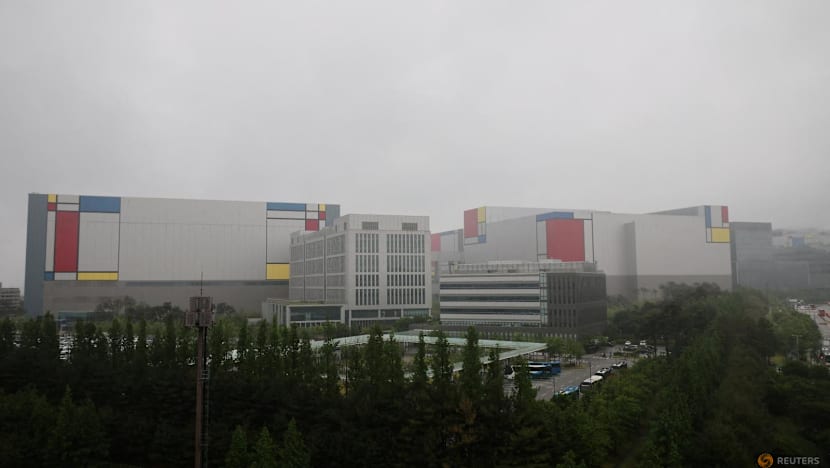
South Korea to create future fund from chip windfall to spur growth, tackle inequality
Summarized and contextualized by DistantNews.
At a glance
News
Named sources
New plan
- South Korea plans to create a future fund using extra tax revenue from a semiconductor boom.
- The fund will finance national investment projects, support younger generations, and address inequality.
- This initiative aims to strengthen the country's long-term competitiveness and make it globally irreplaceable.
South Korea is set to establish a "Future Response Fund" to leverage the financial windfall from its booming semiconductor industry. The fund aims to finance major national investment projects, bolster support for younger generations, and tackle widening economic inequality, according to a top government official.
At this critical juncture that will determine South Korea's future, we must not squander additional tax revenue generated by the semiconductor boom and other factors.
President Lee Jae Myung's administration views this fund as crucial for strengthening the nation's long-term competitiveness. Presidential Chief of Staff Kang Hoon-sik emphasized the need to utilize the additional tax revenue, generated by the semiconductor boom and other factors, to secure South Korea's future.
The fund will specifically support the government's three "mega projects" focused on semiconductors, physical AI, and data centers. These initiatives, backed by substantial investments from companies like Samsung Electronics and SK Hynix, are designed to create new growth drivers. The strategy also aims to combat "K-shaped" economic polarization and provide targeted support for housing, startups, and employment for individuals in their 20s and 30s.
a cornerstone for realising Lee's goal of making South Korea globally "irreplaceable"
Kang described the proposed fund as a "cornerstone" for President Lee's vision of making South Korea globally "irreplaceable." He urged close government and ruling party cooperation to expedite its implementation. Prime Minister Han Sung-sook highlighted the projects' potential as a new growth engine, contingent on unified efforts from the government, ruling party, and private sector. The plan is envisioned as a 30-year strategy integrating semiconductors, AI, data centers, and physical AI.
could become a new growth engine if the government, ruling party and private sector worked as "one team"
DistantNews Editorial
Originally published by CNA. Summarized and contextualized by our editorial team with added local perspective. Read our editorial standards.
More Stories


From Our Blog

What Gets Lost (and Found) When News Is Translated

The Critical Role of Diaspora Media in Global News

What Travellers Should Know About Countries with Restricted Press

A Digital Nomad's Guide to Following Local News

How the Same Story Looks Different in Different Countries
