


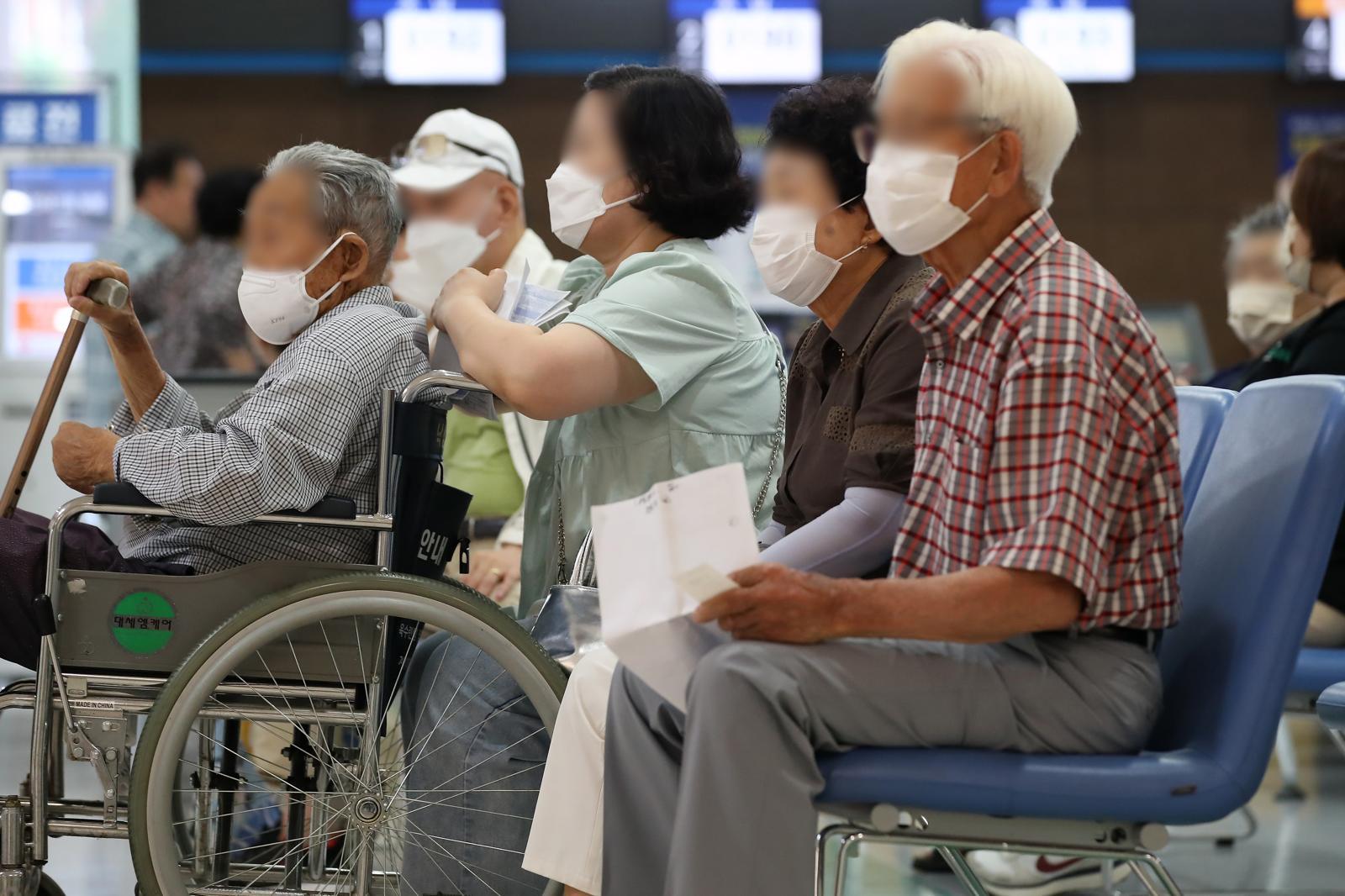

South Korea to Cut Costs for 1.97 Million Rare-Disease Patients, Providing 800 Billion Won a Year
Translated from Korean and summarized by DistantNews. Read the original for the full story.
At a glance
News
Official statement
New plan
- Health insurance copayments for patients with rare and intractable diseases will fall from 10% to 7% in December and to 5% in the first half of 2028.
- About 1.97 million patients will benefit from measures worth about 800 billion won a year.
- Coverage will also expand to automated insulin pumps and continuous glucose monitors for people with severe type 2 diabetes, and two implants for edentulous adults aged 65 and older.
South Korea plans to lower the health insurance burden for people with rare and intractable diseases, with changes affecting about 1.97 million patients and costing roughly 800 billion won a year.
Their insurance copayment rate will drop from the current 10% to 7% in December. The government plans a further reduction to 5% in the first half of 2028.
The measures will also broaden support for people with severe type 2 diabetes. They will become eligible for assistance with automated insulin pumps and continuous glucose monitors.
Older adults will receive expanded dental coverage as well. People aged 65 and over who have no natural teeth will qualify for insurance benefits covering two implants. The Ministry of Health and Welfare announced the measures at a health insurance policy meeting on the 8th.
About this summary
Originally published by Chosun Ilbo in Korean. Translated, summarized, and contextualized automatically by DistantNews, with a note on how the source frames the story. Not individually reviewed before publishing. How this works.
More Stories



From Our Blog

News in Translation: What Gets Lost, and How We Keep the Framing

Diaspora Media: How Communities Follow News From Home

Traveling Where the Press Is Not Free: How to Read the News There

The Digital Nomad's Guide to Local News

The Same Story, Different Countries: How Coverage Changes at the Border
