


South Korea to Ease Civilian Access Near North Korea Border
Translated from English, summarized and contextualized by DistantNews.
At a glance
News
Named sources
New plan
- South Korea will allow civilians to access areas closer to the North Korean border, reducing the Civilian Control Line (CCL) by an average of two kilometers starting in 2027.
- The move aims to ease restrictions for local residents and farmers while maintaining military operational effectiveness.
- Analysts suggest the change is unlikely to provoke North Korea and reflects South Korea's increasing reliance on technology for border security.
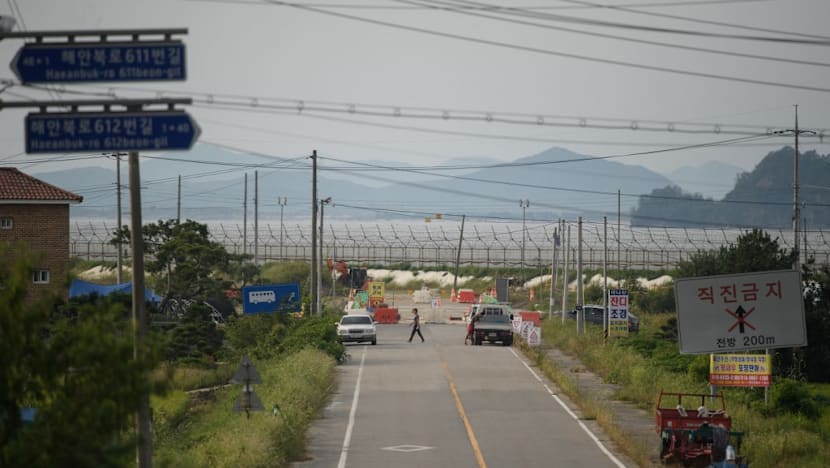
South Korea is set to broaden public access to the heavily militarized border zone with North Korea, significantly easing restrictions for civilians. The Defense Ministry announced that the Civilian Control Line (CCL), which currently restricts access to areas within 10 kilometers south of the border, will be reduced to an average of six kilometers starting in 2027.
We will enable regional development to the extent that it does not interfere with military operations.
This adjustment is intended to enhance the convenience of local residents and farmers, who have long faced economic disadvantages and difficulties exercising property rights in the controlled area. Defence Minister Ahn Gyu-back stated the measures aim to "enhance the convenience of local residents while ensuring the effectiveness of military operations." The changes will also simplify procedures, such as flight approvals for agricultural drones, and are expected to facilitate regional development, tourism, and freer farming activities.
significantly alleviate the inconvenience faced by local farmers.
Local officials welcomed the decision. Yeoncheon county mayor Kim Deok-hyeon believes the measures will "significantly alleviate the inconvenience faced by local farmers." Park Heung-yeol, a councilor in Ganghwa County, noted that even construction on private land within the controlled zone previously required military approval, a process that will now be less cumbersome. Kim Seok-in, another county official, added that residents have long complained about access procedures and limitations on their property rights.
Local residents have long harboured complaints due to inconveniences regarding access procedures and the inability to exercise their property rights.
Analysts view the move as unlikely to destabilize relations with North Korea, as it pertains to areas on the South's side of the border. The decision also comes amid a broader shift in South Korea's border security strategy. Experts suggest that with reduced troop numbers, the country is increasingly relying on technologies like CCTV and mobile apps, reflecting a view that "the AI era has made traditional manpower-intensive border patrols obsolete," according to Lim Eul-chul, a North Korea expert at Kyungnam University.
a view that the AI era has made traditional manpower-intensive border patrols obsolete
DistantNews Editorial
Originally published by CNA in English. Translated, summarized, and contextualized by our editorial team with added local perspective. Read our editorial standards.
More Stories


From Our Blog

What Gets Lost (and Found) When News Is Translated

The Critical Role of Diaspora Media in Global News

What Travellers Should Know About Countries with Restricted Press

A Digital Nomad's Guide to Following Local News

How the Same Story Looks Different in Different Countries
