


South Korea to Enforce '8-Week Rule' to Curb Minor Injury Insurance Fraud
Translated from Korean, summarized and contextualized by DistantNews.
At a glance
News
Official statement
New plan
- South Korea will implement an "8-week rule" starting September 10 to limit insurance payouts for minor traffic injuries.
- The rule aims to prevent excessive payouts to individuals with minor injuries who prolong treatment.
- Patients with minor injuries needing more than 8 weeks of treatment will require a necessity review by medical experts.
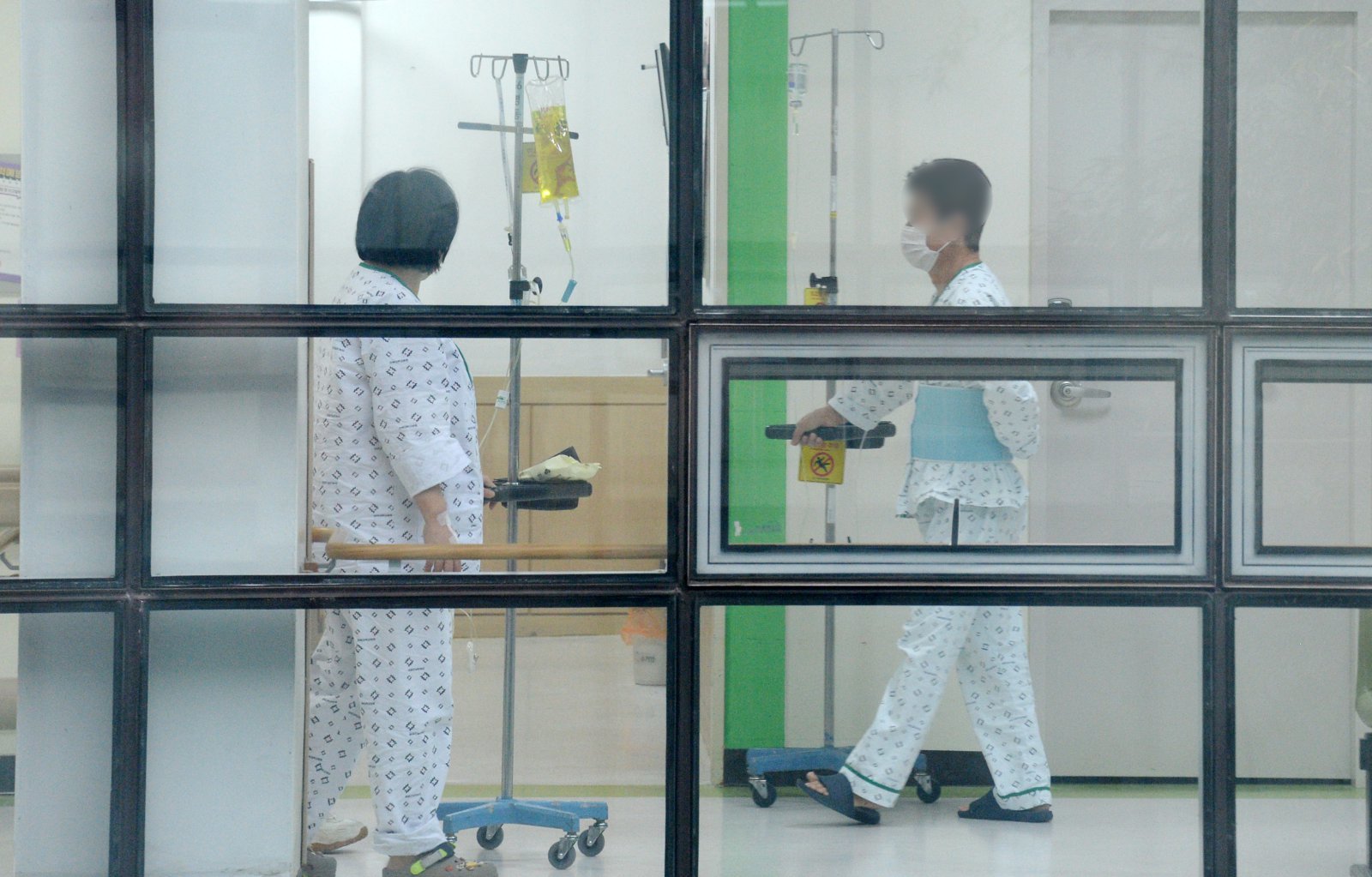
South Korea is set to implement an "8-week rule" on September 10, restricting long-term insurance payouts for individuals with minor traffic accident injuries. The Ministry of Land, Infrastructure and Transport announced the revised Automobile Liability Security Act enforcement decree, which passed the State Council. This measure targets the "nylon patient" phenomenon, where individuals feign or exaggerate minor injuries to receive excessive insurance money.
Recent data shows a concerning trend: while the number of patients with minor injuries decreased by an average of 0.9% annually over the past six years (2019-2024), their treatment costs surged by an average of 7.0% per year. The new rule mandates that patients with minor injuries, typically classified as grades 12-14 (involving sprains or bruises), who require treatment beyond eight weeks must undergo a necessity review by specialized medical professionals at the Korea Transportation Safety Authority.
The Automobile Liability Security Act enforcement decree, which includes this content, was passed by the State Council.
Insurance companies and mutual aid associations will request these reviews from the authority upon receiving necessary documents from the patient, such as a medical certificate. The authority will then notify the patient, insurer, and association of its findings. Patients who disagree with the review outcome can request a re-examination. This policy aims to curb insurance fraud and ensure that payouts are proportionate to the actual severity and duration of injuries.
This amendment was prepared to prevent the leakage of insurance money that was excessively paid to some nylon patients.
DistantNews Editorial
Originally published by Dong-A Ilbo in Korean. Translated, summarized, and contextualized by our editorial team with added local perspective. Read our editorial standards.
More Stories


From Our Blog

What Gets Lost (and Found) When News Is Translated

The Critical Role of Diaspora Media in Global News

What Travellers Should Know About Countries with Restricted Press

A Digital Nomad's Guide to Following Local News

How the Same Story Looks Different in Different Countries
