


South Korea to Expand Rental Housing Supply in Seoul Metro Area
Translated from Korean and summarized by DistantNews. Read the original for the full story.
At a glance
News
Named sources
Context piece
- The South Korean government will significantly expand the supply of purchased rental housing in regulated areas of the Seoul metropolitan region by 2027.
- This initiative aims to stabilize the volatile rental market, which has seen reduced supply and rising prices, by focusing on non-apartment types like officetels and villas.
- Experts believe the large-scale public supply of these faster-to-build housing types will help alleviate rental difficulties for young people and newlyweds.
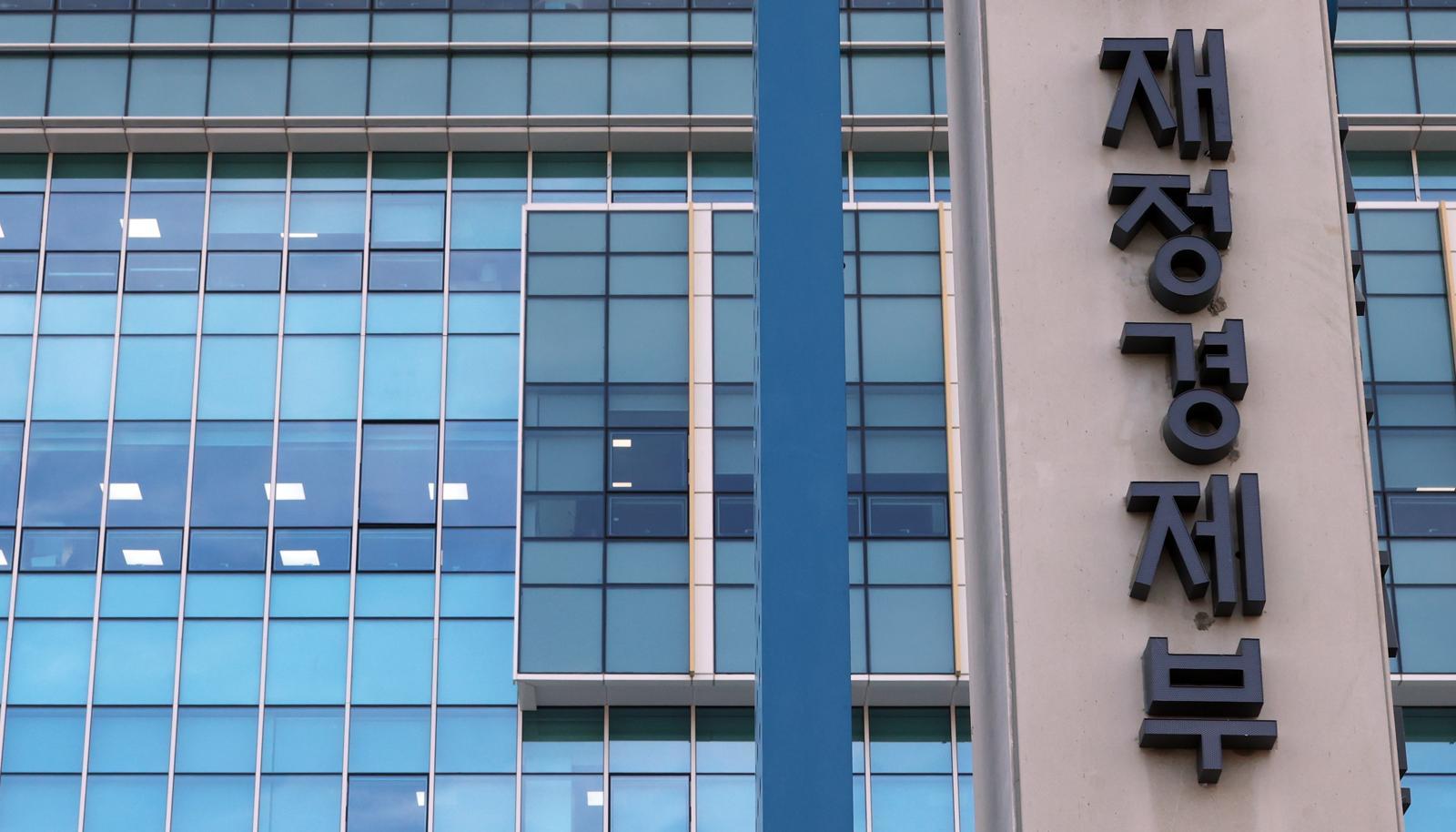
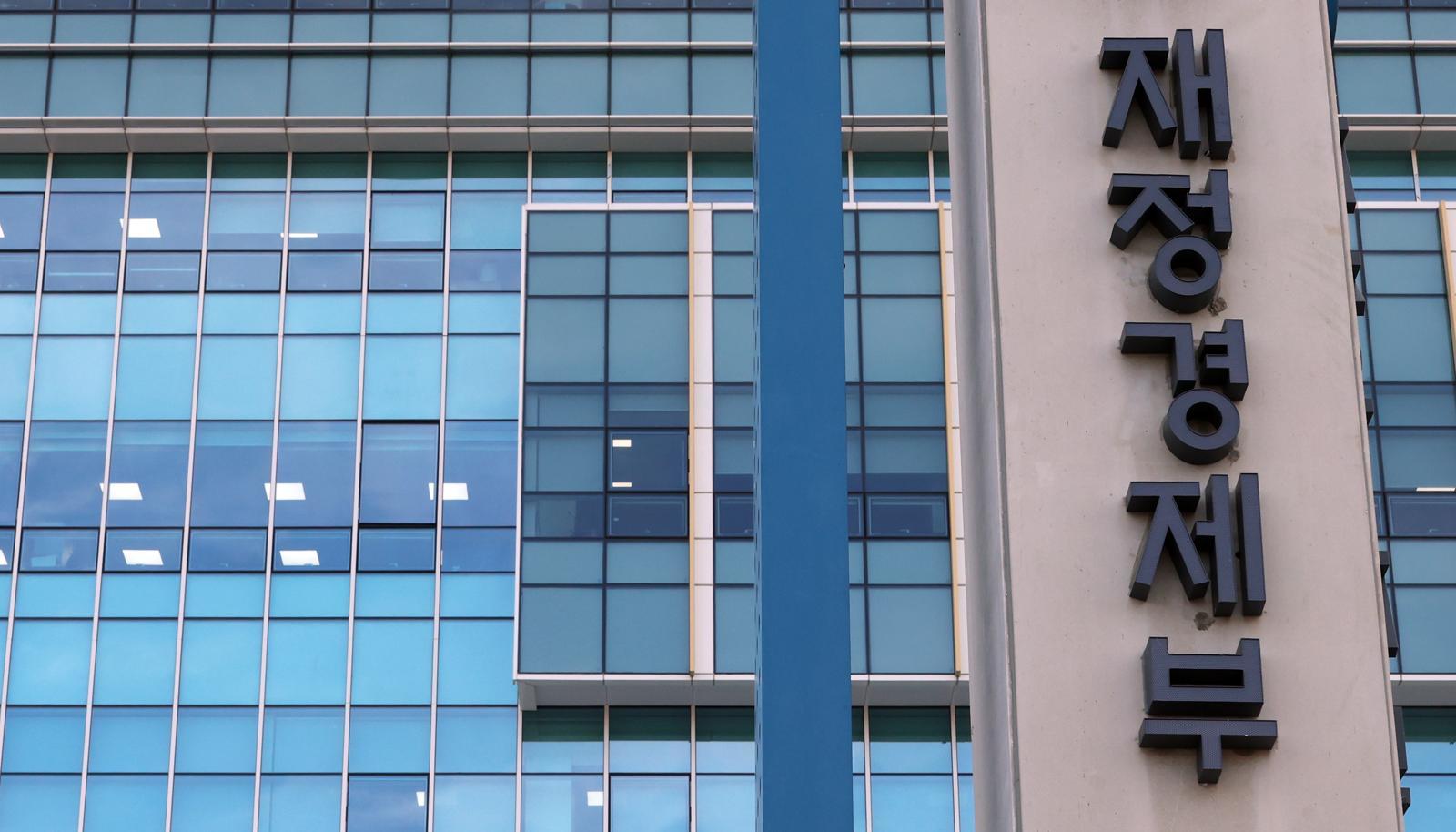
The South Korean government has announced a substantial plan to bolster the supply of purchased rental housing, targeting regulated areas within the Seoul metropolitan region. This strategic move aims to address recent market instability characterized by dwindling property listings and escalating rental costs. By concentrating efforts on the Seoul metropolitan area, including Seoul city and 12 designated regions in Gyeonggi Province, the government intends to inject 66,000 units into the market by 2027, a significant increase from previous projections.
This policy is particularly focused on non-apartment housing types such as officetels, urban multi-family housing, and villas. The rationale behind this focus is the faster construction cycle and relatively lower costs associated with these properties, making them an ideal solution for easing the rental burden on young adults and newlyweds. The government's plan involves supplying 54,000 new units and 12,000 existing units within these regulated zones, signaling a proactive approach to market stabilization.
The government's plan to significantly increase the supply of new purchased rental housing in regulated areas of the Seoul metropolitan region by 2027 is a crucial step towards stabilizing the volatile rental market.
The initiative comes in response to a sharp decline in the construction of non-apartment buildings, attributed to rising construction costs and the lingering effects of past rental scams. The government's intervention, through the public purchase of these properties, is seen as a crucial measure to revitalize the non-apartment supply ecosystem. This approach is particularly effective in densely populated areas like Seoul, where land availability is limited, allowing for a quicker expansion of housing stock.
Furthermore, the government is implementing measures to facilitate this expansion, including easing purchase restrictions for private developers and enhancing financial support. These measures aim to reduce the financial risks for developers and accelerate the construction and supply process. Experts view this collaborative approach between public and private sectors as a vital step towards restoring balance in the rental market, though they also emphasize the need for long-term strategies to ensure the sustainable recovery of the non-apartment construction sector.
The large-scale public supply of non-apartment housing types, which have a faster construction cycle, is expected to effectively alleviate rental difficulties for young people and newlyweds.
About this summary
Originally published by Hankyoreh in Korean. Translated, summarized, and contextualized automatically by DistantNews, with a note on how the source frames the story. Not individually reviewed before publishing. How this works.
More Stories

From Our Blog

News in Translation: What Gets Lost, and How We Keep the Framing

Diaspora Media: How Communities Abroad Follow Home

Traveling Where the Press Is Not Free: How to Read the News There

The Digital Nomad's Guide to Local News

The Same Story, Different Countries: How Coverage Changes at the Border
