

South Korea to lower fuel price caps, finance minister says
Summarized and contextualized by DistantNews.
At a glance
News
Sources not specified
New plan
- South Korea plans to lower its cap on fuel prices to combat inflation.
- The new cap will be set lower than the current level and maintained until consumer prices stabilize.
- Consumer inflation in South Korea rose to a two-year high of 3.1% in May, driven by high oil prices.
South Korea is set to implement a reduction in its fuel price cap, a measure aimed at alleviating inflationary pressures on consumers. The announcement comes as the government seeks to stabilize rising prices, which have become a growing concern.
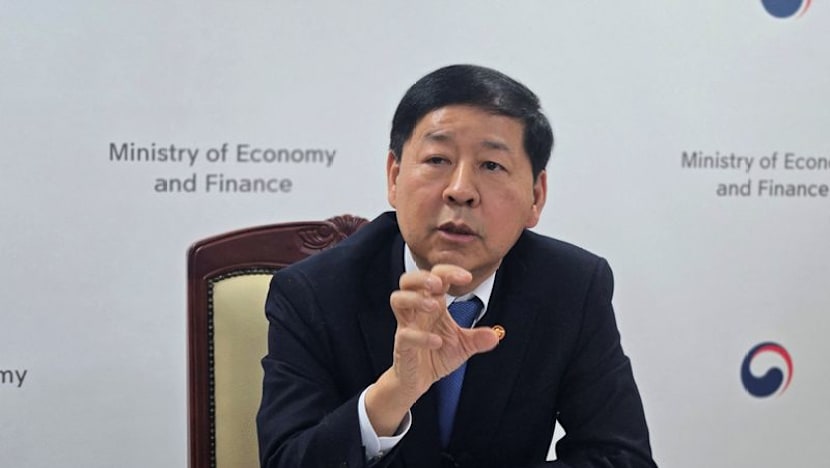
Finance Minister Koo Yun-cheol stated that while the fuel price cap was kept unchanged this week due to Middle East uncertainties, the upcoming adjustment will see a lower cap. This revised ceiling will remain in effect until consumer prices show signs of stabilization. South Korea first introduced nationwide fuel price caps in March, a policy that authorities adjust monthly.
We kept the sixth fuel cap price unchanged this week due to uncertainty of the Middle East situation, but the seventh cap will be lower than the current level and maintained until consumer prices stabilise.
The decision to lower the cap is a response to recent inflation data. South Korea's consumer inflation surged to 3.1% in May, reaching its highest point in over two years. This increase exceeded expectations and was largely fueled by elevated oil prices, exacerbated by ongoing conflicts in the Middle East.
The government has pledged to pursue policies aimed at keeping consumer inflation below the 3% mark for the latter half of the year. This commitment underscores the administration's focus on managing economic stability and mitigating the impact of global price fluctuations on the domestic economy.
The government will make policy efforts to keep consumer inflation under 3 per cent in the second half of this year.
DistantNews Editorial
Originally published by CNA. Summarized and contextualized by our editorial team with added local perspective. Read our editorial standards.
More Stories



From Our Blog

What Gets Lost (and Found) When News Is Translated

The Critical Role of Diaspora Media in Global News

What Travellers Should Know About Countries with Restricted Press

A Digital Nomad's Guide to Following Local News

How the Same Story Looks Different in Different Countries
