


South Korea to Separate 'New' from 'Renewable' Energy in Legal Overhaul
Translated from Korean, summarized and contextualized by DistantNews.
At a glance
Analysis
Named sources
New plan
- South Korea will remove the term 'new energy' from its renewable energy law in September 2026, distinguishing it from 'renewable energy'.
- The change separates technologies like solar and wind from energy carriers like hydrogen, emphasizing the source of energy over its name.
- This legal distinction aims to clarify energy policy, improve statistics, and guide support for different energy types.
South Korea is set to redefine its energy landscape by removing the term 'new energy' from its primary renewable energy law in September 2026. The 'Act on Promotion of Development, Use and Distribution of New Energy and Renewable Energy' will be renamed the 'Act on Promotion of Development, Use and Distribution of Renewable Energy.' This seemingly minor legislative tweak signifies a crucial shift in how the nation categorizes and supports its energy sources.
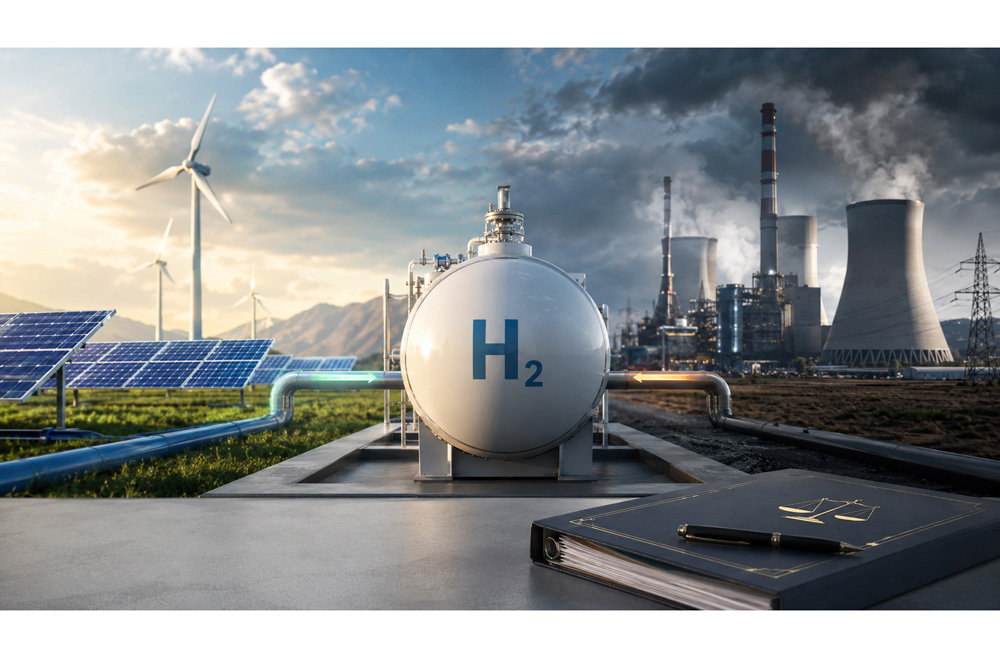
For years, South Korea has grouped distinct energy technologies under the umbrella term 'new and renewable energy.' This included not only solar and wind power but also hydrogen and fuel cells. The upcoming revision aims to untangle these categories, drawing a clearer line between energy sources that are naturally replenished, like solar and wind, and energy carriers that require production, such as hydrogen.
The distinction is vital because not all energy sources labeled 'new' are inherently green. Hydrogen, for example, is an energy carrier, not a primary energy source. Its environmental impact hinges entirely on how it's produced. Hydrogen generated using renewable electricity is green, but hydrogen produced from fossil fuels carries a significant carbon footprint. The International Energy Agency (IEA) emphasizes that the environmental significance of hydrogen varies greatly depending on its production method.
This reclassification will have tangible policy implications. Energy names translate into policy frameworks, statistical categories, and support mechanisms. Grouping dissimilar energy types can obscure the true progress of renewable energy adoption and create confusion in international comparisons. By separating 'new' and 'renewable' energy, South Korea aims for more precise energy policy, accurate statistics, and clearer investment criteria. The revision will move hydrogen and fuel cells out of the renewable energy framework and into separate legal structures, reflecting a more nuanced approach to energy transition.
The revision is meaningful because it begins to distinguish between 'new energy' and 'renewable energy,' which have long been grouped together under one name in Korean energy law.
DistantNews Editorial
Originally published by Dong-A Ilbo in Korean. Translated, summarized, and contextualized by our editorial team with added local perspective. Read our editorial standards.
More Stories


From Our Blog

What Gets Lost (and Found) When News Is Translated

The Critical Role of Diaspora Media in Global News

What Travellers Should Know About Countries with Restricted Press

A Digital Nomad's Guide to Following Local News

How the Same Story Looks Different in Different Countries
