


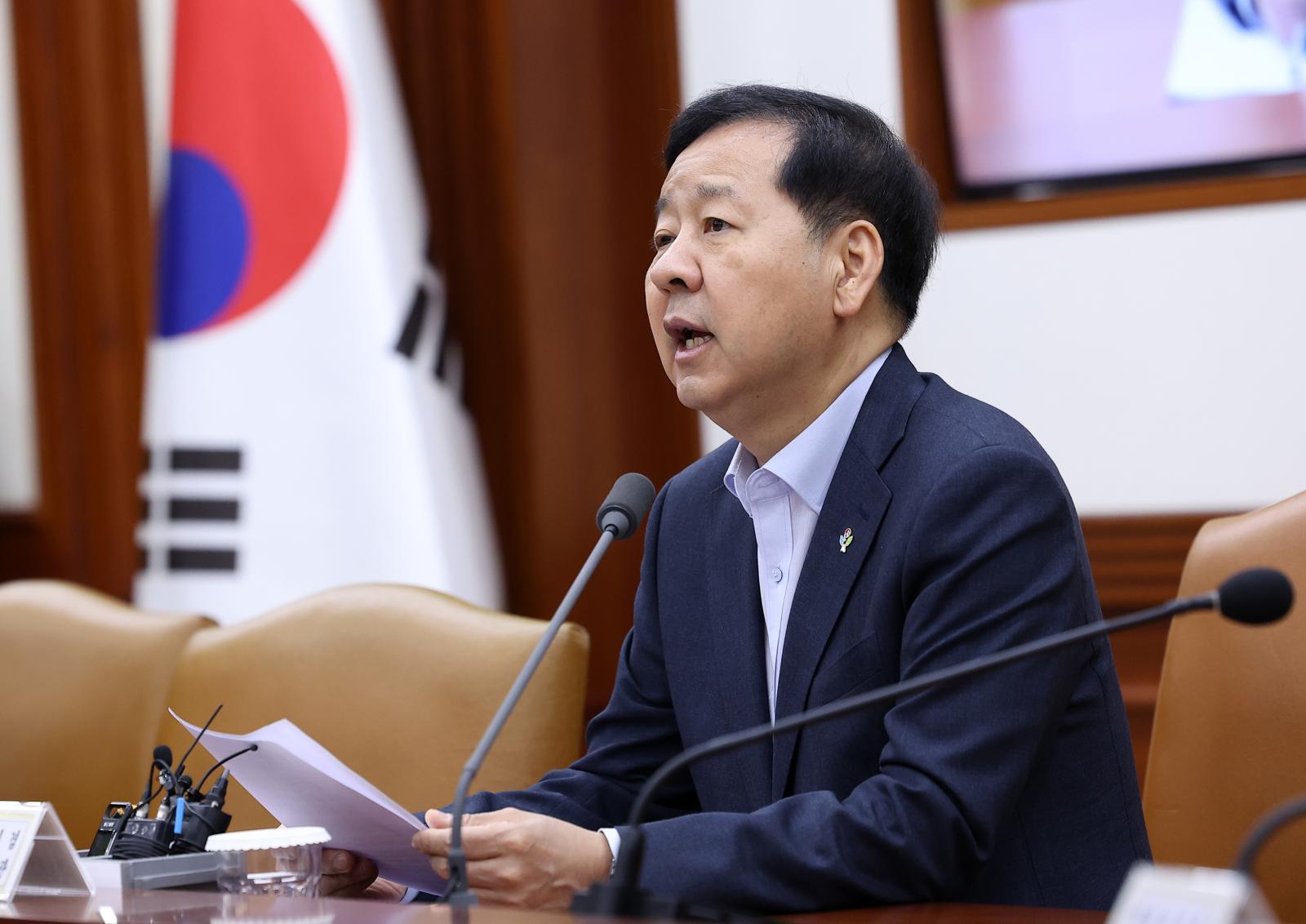
South Korea to Unveil Real Estate Tax Reforms by End of July
Translated from Korean, summarized and contextualized by DistantNews.
At a glance
News
Named sources
New plan
- South Korean Deputy Prime Minister and Minister of Economy and Finance, Gu Yun-cheol, announced that a real estate tax reform plan will be unveiled by the end of July.
- The reforms aim to balance holding and transaction taxes, prioritizing residents' housing needs over investment.
- Gu indicated that tax reductions, including potential income tax relief for those working in regional areas, will be considered as part of the plan.
South Korea's Deputy Prime Minister and Minister of Economy and Finance, Gu Yun-cheol, has announced that a comprehensive real estate tax reform plan is set to be released by the end of July. The proposed changes aim to strike a balance between property holding taxes and transaction taxes, reflecting a principle that housing should primarily serve as a place of residence rather than an investment vehicle.
Speaking on MBC radio, Gu stated that the government is preparing the announcement for late July. He emphasized that the reforms are being developed with a focus on establishing a housing market centered around actual residents. The Deputy Prime Minister also assured that the government would consider public opinion and feedback from various stakeholders before finalizing the policy.
While Gu did not directly confirm specific reform directions like adjustments to the fair market value ratio or reductions in special deductions for long-term non-resident ownership, he acknowledged these as valid public opinions that would be reviewed. The plan is expected to include measures to support those working in regional areas, potentially through income tax reductions, as part of broader efforts to revitalize local economies.
Gu also expressed optimism about the government's "three mega projects," suggesting they could present significant opportunities for South Korea if pursued with full commitment and speed. The focus on real estate tax reform signals the government's intent to stabilize the property market and address concerns about housing accessibility and affordability.
DistantNews Editorial
Originally published by Dong-A Ilbo in Korean. Translated, summarized, and contextualized by our editorial team with added local perspective. Read our editorial standards.
More Stories



From Our Blog

What Gets Lost (and Found) When News Is Translated

The Critical Role of Diaspora Media in Global News

What Travellers Should Know About Countries with Restricted Press

A Digital Nomad's Guide to Following Local News

How the Same Story Looks Different in Different Countries
