


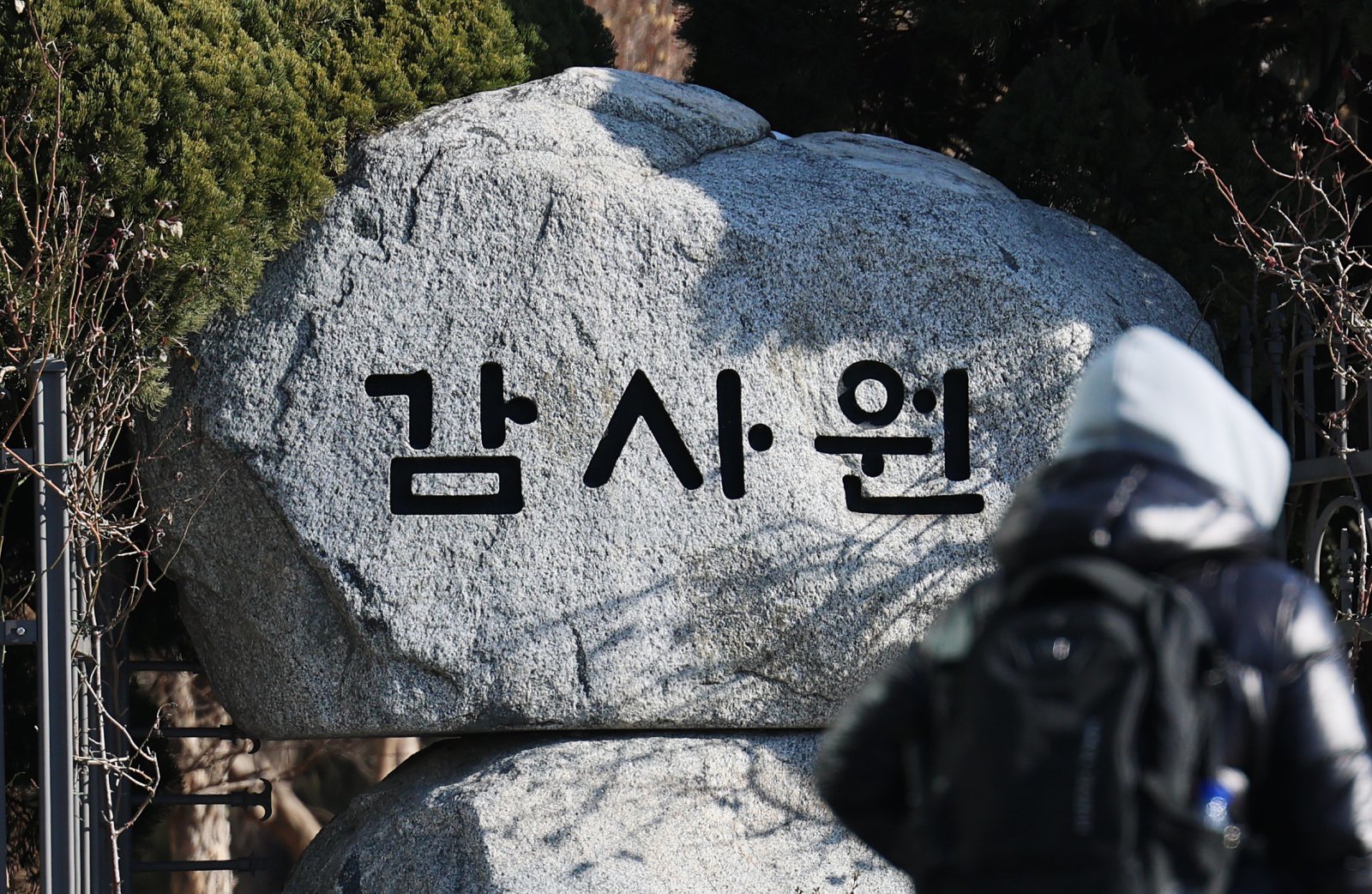
South Korean Agricultural Funds Misused for Failing Companies, Audit Finds
Translated from Korean, summarized and contextualized by DistantNews.
At a glance
News
Sources not specified
Outcome reported
- A government audit revealed that agricultural policy funds were used to support struggling companies nearing bankruptcy.
- Out of 71 such companies that received funds in 2022, only 5 have since become financially stable.
- The audit also found that some chronically weak companies received disproportionately large amounts of funding over several years.
A recent audit by the Board of Audit and Inspection has uncovered a significant misuse of government agricultural policy funds, revealing that substantial amounts were allocated to financially precarious companies instead of supporting genuine agricultural stability. The funds, intended to aid farmers' management, were instead used to prop up businesses on the brink of bankruptcy.
The audit, released on June 10th, found that out of 71 agricultural companies classified as financially weak and having received policy funds in 2022, a mere 5 have managed to normalize their operations. A 'financially weak' company is defined as one unable to cover interest payments with its operating profit for three consecutive years. Alarmingly, 35 of these companies were identified as 'chronically vulnerable,' having failed to meet interest payments for six consecutive years between 2019 and 2024.
These chronically vulnerable firms received an average of 19.09 billion won each between 2022 and 2024, a figure more than 22 times higher than the 840 million won provided to one company that successfully normalized. The audit also highlighted instances of repeated support for businesses in prolonged distress. The 35 chronically weak companies received a total of 1.5748 trillion won across 326 instances from 2018 to 2024. Of these, 62.9% (205 instances, 992.2 billion won) were provided when the companies were already in a state of financial distress for at least three years.
Further scrutiny revealed that post-support management and follow-up were inadequate. Only one out of 144 agricultural companies that received management consulting from the Ministry of Agriculture, Food and Rural Affairs between 2020 and 2025 was found to be financially weak, suggesting a lack of focus on reducing such vulnerable enterprises. Additionally, despite rice processing facilities being the most numerous among the 71 weak companies (21), restructuring measures like prioritized consolidation were not implemented.
The audit also pointed to deficiencies in debt restructuring guidance for socially vulnerable groups. The National Agricultural Cooperative Federation (Nonghyup) has the capacity to offer debt restructuring, including partial debt forgiveness for the elderly, basic livelihood recipients, and the disabled. However, the audit found that Nonghyup failed to adequately inform these individuals about the conditions and potential reduction rates for debt restructuring. Consequently, they classified these debts as difficult to recover and sold them at a low price to Nonghyup Asset Management, despite the potential for recovery through direct guidance.
DistantNews Editorial
Originally published by Dong-A Ilbo in Korean. Translated, summarized, and contextualized by our editorial team with added local perspective. Read our editorial standards.
More Stories


From Our Blog

What Gets Lost (and Found) When News Is Translated

The Critical Role of Diaspora Media in Global News

What Travellers Should Know About Countries with Restricted Press

A Digital Nomad's Guide to Following Local News

How the Same Story Looks Different in Different Countries
