

South Korean Apartments Shed Long Names for Simpler, Localized Titles
Translated from Korean, summarized and contextualized by DistantNews.
At a glance
In-depth
Named sources
Context piece
- New apartment complex names in South Korea are becoming shorter and simpler, moving away from lengthy combinations of developer brands and regional names.
- The trend favors names emphasizing local geography, seen as enhancing a complex's landmark status and value.
- Developers are also increasingly using native Korean words instead of foreign loanwords for apartment names.
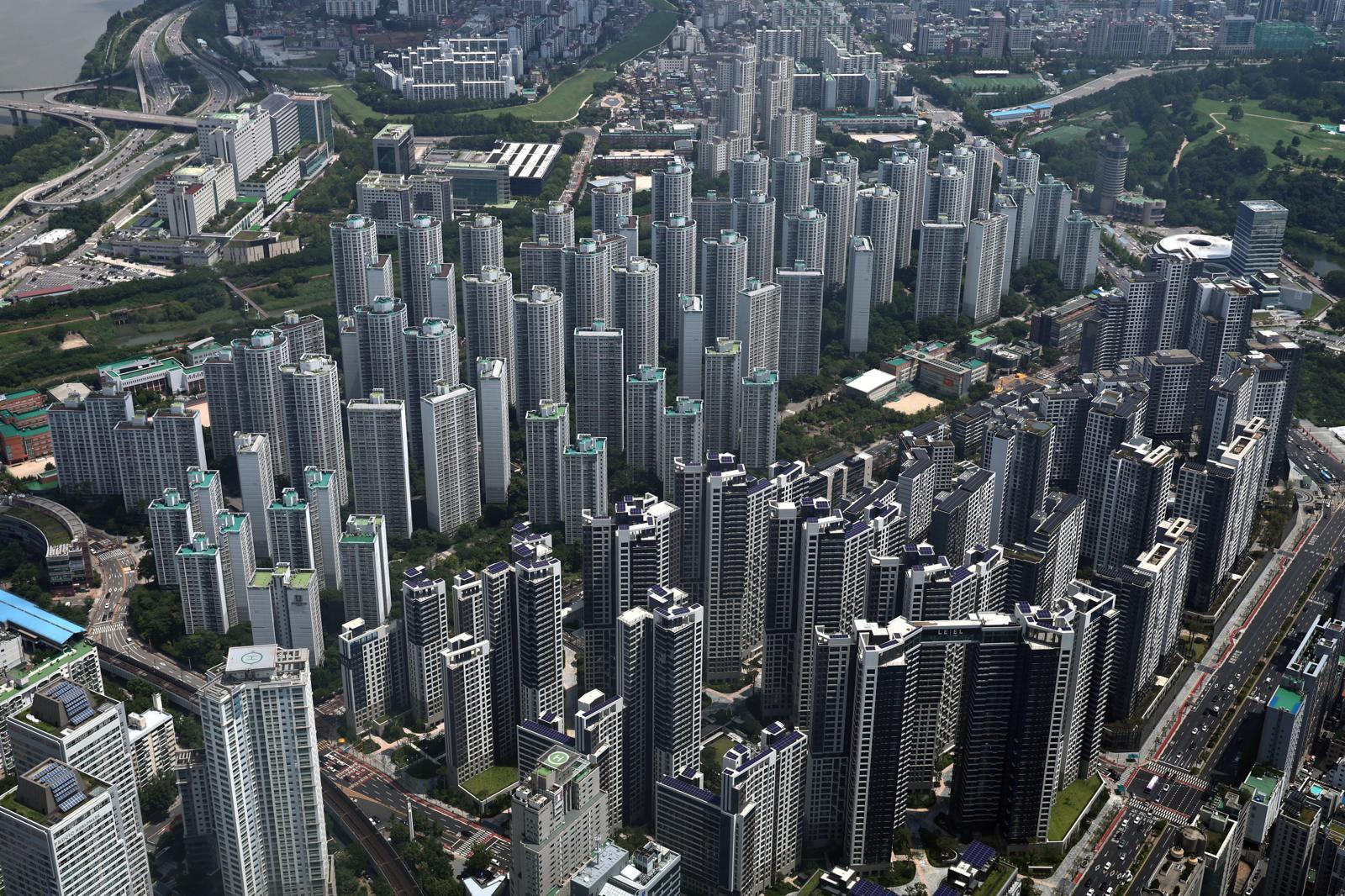
The naming convention for new apartment complexes in South Korea is undergoing a significant shift towards brevity and simplicity. Developers are moving away from the previous practice of attaching multiple elements, such as developer brand names, regional identifiers, and pet names, to complex titles. Instead, there's a growing trend of prioritizing concise names that prominently feature the local geography.
This change is attributed to resident fatigue with overly long apartment names and the recognition that complexes with strong geographical branding are perceived as landmarks, thereby boosting their value. In the redevelopment projects of areas like Apgujeong, Yeouido, Mok-dong, and Seongsu, collectively known as 'Apgujeong-Yeouido-Mok-dong-Seongsu', names that brand the region are becoming the norm. For instance, Hyundai Engineering & Construction, after winning bids for Apgujeong reconstruction projects, opted to use 'Apgujeong Hyundai' instead of its high-end 'THE H' brand, leveraging the existing symbolism of the original 'Apgujeong Hyundai Apartment.'
Consumers' expectations are shifting towards focusing on the substance of living environments rather than long, difficult-to-pronounce names.
Samsung C&T, which secured the Apgujeong 4 district reconstruction project, also proposed 'Cullinan Apgujeong,' emphasizing the location rather than adhering to its usual practice of adding pet names to its 'Raemian' brand. Lotte Engineering & Construction won the Seongsu Strategic Redevelopment District Zone 4 project with 'Seongsu Le Riel S70,' combining the location name with a brand element. Even competitors like Daewoo Engineering & Construction proposed 'The Seongsu 520,' focusing solely on the local name.
Furthermore, the trend extends to incorporating native Korean words, moving away from common foreign loanwords like 'Fore,' 'First,' or 'Edu.' An upcoming complex in Mok-dong, Yangcheon-gu, Seoul, named 'Mokdong Yunseul Xi,' uses 'Yunseul,' a native Korean word meaning 'sparkling ripples,' inspired by an art installation planned for the building's exterior. For consortium projects, where multiple construction companies collaborate, a single developer's brand is now often used in the complex name, a departure from the past practice of listing all participating brands, such as 'Mapo Raemian Prugio.' This simplification is preferred by 조합원 (members/residents) who favor the stronger impact of a single, prominent brand.
Including only essential information like the location name and the construction company's brand is suitable for the current trend.
DistantNews Editorial
Originally published by Dong-A Ilbo in Korean. Translated, summarized, and contextualized by our editorial team with added local perspective. Read our editorial standards.
More Stories

From Our Blog

What Gets Lost (and Found) When News Is Translated

The Critical Role of Diaspora Media in Global News

What Travellers Should Know About Countries with Restricted Press

A Digital Nomad's Guide to Following Local News

How the Same Story Looks Different in Different Countries
