


South Korean Banks See Household Loans Jump 6 Trillion Won in Two Months Amid Investment and Housing Boom
Translated from Korean, summarized and contextualized by DistantNews.
At a glance
News
Named sources
Context piece
- South Korea's five major banks saw their household loan balances increase by over 6 trillion won in just two months, driven by increased "borrow-to-invest" (bitu) activities and rising housing transactions.
- This surge has significantly reduced the banks' remaining room within their annual household loan growth targets, prompting concerns about tighter lending conditions.
- The increase is attributed to a booming stock market fueling credit loans and a rebound in housing market activity, with some banks already implementing preemptive measures like reducing preferential loan rates.
Household lending at South Korea's five major banks has surged by more than 6 trillion won in less than two months, reversing a previous decline and raising concerns about potential tightening of loan conditions. The rapid increase, recorded between late April and mid-June, has significantly eaten into banks' annual household loan growth targets.
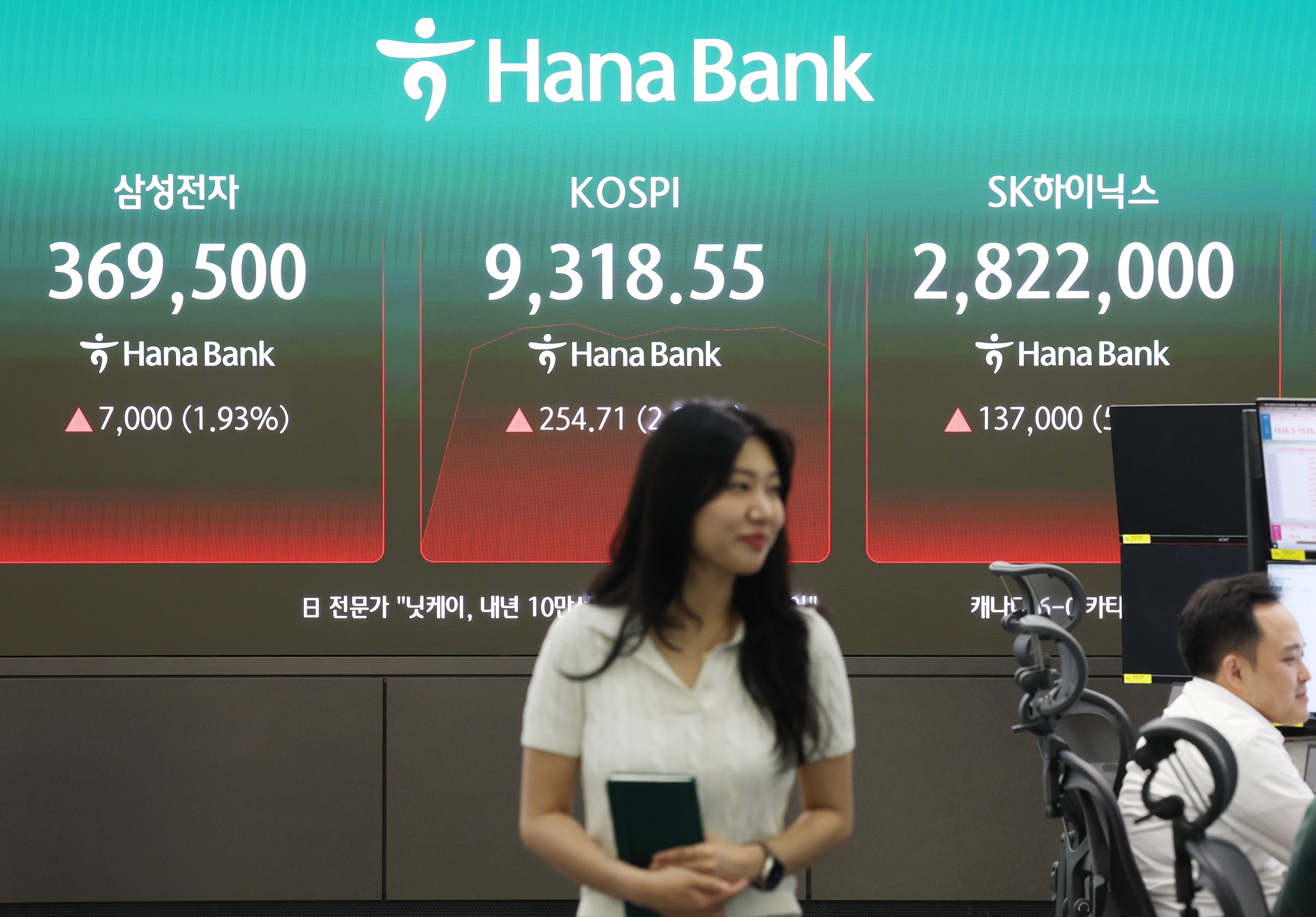
The primary drivers identified are a surge in "borrow-to-invest" (bitu) activities, fueled by a booming stock market, and a rebound in housing transactions, particularly in the Seoul metropolitan area. Personal credit loans across the five banks increased by nearly 4 trillion won in April and May, with a notable portion attributed to a rise in unsecured credit lines (minus-tongjang).
Simultaneously, mortgage loan balances reached a record high, increasing by 1.1472 trillion won in the first half of June alone. This surge is partly attributed to rumors of additional lending restrictions from financial authorities in June, prompting a rush of loan applications. Banks had initially aimed to keep their total household loan growth below approximately 4.33 trillion won for the year, but with only about 3.5 trillion won remaining, the pressure to manage lending is mounting.
Some banks have already exceeded their targets or are close to doing so, leading to preemptive measures. These include reducing preferential interest rates on loans and halting the transfer of mortgage loans from other banks. The situation suggests that lending criteria may become stricter as banks strive to stay within their annual growth limits, especially considering potential disadvantages in setting next year's targets if they exceed current ones.
The Financial Services Commission has been monitoring household debt growth, which remains a key concern for the South Korean economy. While the exact measures for June are still being finalized, the trend indicates a significant acceleration in borrowing, driven by both investment appetite and housing market activity.
There were rumors of additional restrictions on loans from the financial authorities in June, leading to a concentration of loan executions.
DistantNews Editorial
Originally published by Hankyoreh in Korean. Translated, summarized, and contextualized by our editorial team with added local perspective. Read our editorial standards.
More Stories


From Our Blog

What Gets Lost (and Found) When News Is Translated

The Critical Role of Diaspora Media in Global News

What Travellers Should Know About Countries with Restricted Press

A Digital Nomad's Guide to Following Local News

How the Same Story Looks Different in Different Countries
