

South Korean Banks Slash Loan Limits, Sparking Fears Among Homebuyers and Newlyweds
Translated from Korean, summarized and contextualized by DistantNews.
At a glance
News
Sources not specified
Context piece
- South Korean banks are significantly reducing housing and credit card loan limits, causing anxiety among prospective newlyweds and real estate buyers.
- KB Kookmin Bank has halved its maximum housing loan limit to 300 million won and tightened other loan conditions.
- The tightening measures are attributed to banks exceeding their household debt growth targets amid increased real estate transactions and personal stock investments.
Prospective newlyweds and real estate buyers in South Korea are facing growing anxiety as major banks drastically reduce housing and credit card loan limits. This tightening of credit is making it increasingly difficult for individuals to secure the necessary funds for significant purchases.
The housing loan limit has been reduced to 300 million won, and it's difficult to secure an additional 50 million won.
One notable example is KB Kookmin Bank, which has halved its maximum housing loan limit from 600 million won to 300 million won, effective July 10. This move goes beyond the government's regulatory limit of 600 million won for certain areas, indicating a more stringent internal policy. The bank has also applied this 300 million won limit to housing loans in provincial areas, which previously had no such cap. Furthermore, the bank has shortened its loan amount management cycle from two weeks to one, leading to rapid exhaustion of available consultation slots.
Other major banks are also implementing similar measures. Hana Bank suspended new applications for housing and jeonse (long-term rental deposit) loans through loan brokers for September's execution, following an earlier suspension for August. Shinhan Bank also ceased accepting applications through loan brokers from July 8 to the end of the month, having exhausted its July quota within the first week.
The maximum housing loan limit has been reduced from 600 million won to 300 million won.
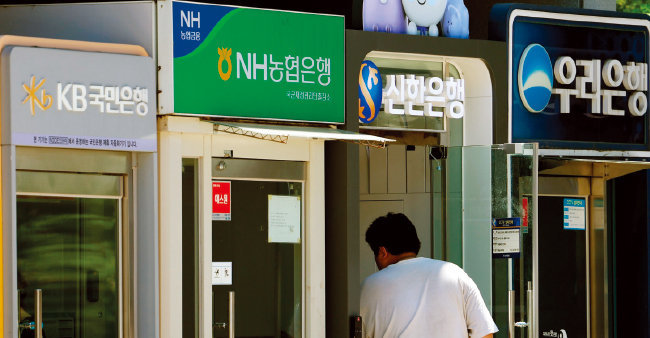
These restrictive actions are largely driven by banks' struggles to manage their overall household debt. As of July 9, the combined outstanding household debt for the top five banks (KB Kookmin, Shinhan, Hana, Woori, and NH Nonghyup) reached 648.36 trillion won, an increase of 3.39 trillion won since the end of last year. This figure represents nearly 80% of the banks' annual household debt growth target submitted to the Financial Supervisory Service. Three of the five banks have already surpassed their annual targets.
We are managing the supply of funds by adjusting limits considering the borrower's repayment ability for sound asset management.
The surge in household debt, particularly in the second quarter, is linked to increased housing transactions in the Seoul metropolitan area and a rise in personal stock investments. In response, financial authorities have intensified their monitoring of household debt, including loans from credit card companies, to prevent funds from shifting to alternative lending channels. Some credit card companies have already begun reducing loan limits, citing the need for sounder asset management and in response to regulatory requests.
We are continuously receiving requests from the authorities to reduce credit card loan balances.
DistantNews Editorial
Originally published by Dong-A Ilbo in Korean. Translated, summarized, and contextualized by our editorial team with added local perspective. Read our editorial standards.
More Stories


From Our Blog

What Gets Lost (and Found) When News Is Translated

The Critical Role of Diaspora Media in Global News

What Travellers Should Know About Countries with Restricted Press

A Digital Nomad's Guide to Following Local News

How the Same Story Looks Different in Different Countries
