


South Korean 'big spender' jailed 7 years for $3.7 million fraud
Translated from Korean, summarized and contextualized by DistantNews.
At a glance
News
Official statement
Outcome reported
- A man known as a "big spender" for donating large sums to female BJ (broadcast jockeys) was sentenced to 7 years in prison for a 4.8 billion won ($3.7 million USD) fraud scheme.
- He deceived victims by boasting about his parents' wealth and business acumen, all of which were lies.
- The embezzled funds were used to pay off debts and for gambling, with the court noting his repeated offenses and lack of remorse.
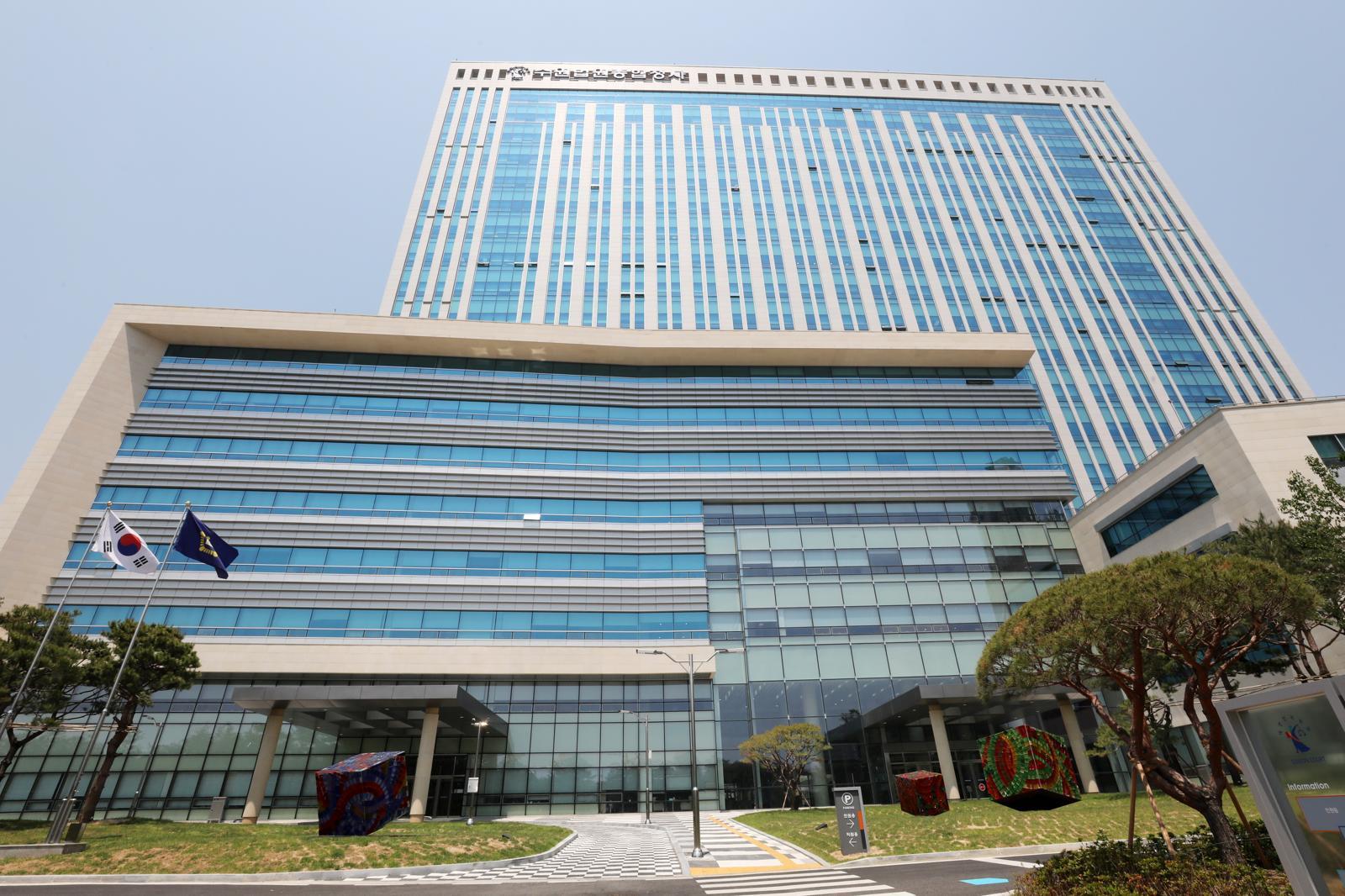
A man, identified as 'A', who gained notoriety as a "big spender" for showering female broadcast jockeys (BJs) with substantial donations, has been sentenced to seven years in prison in an appellate court for defrauding multiple victims of 4.8 billion won ($3.7 million USD). The Suwon High Court overturned two lower court rulings that had sentenced him to four and three years respectively, consolidating them into a single, harsher sentence.
The appellate court described the crime as severe and the defendant's conduct as extremely poor, citing his repeated commission of fraud despite multiple prior convictions for similar offenses. The court noted that 'A' showed no signs of correcting his behavior and had not obtained forgiveness from his victims, with most of the stolen money remaining unrecovered.
'A' allegedly approached BJs with false claims of engaging in money laundering activities. He also deceived operators of gift certificate trading businesses by purchasing large amounts of gift certificates on credit and then failing to make payments after initially meeting his obligations. Furthermore, he falsely presented himself as a wealthy individual, claiming to be a major shareholder and operator of a school foundation, and also purported to be involved in a large-scale apartment development project.
Between 2023 and 2025, 'A' defrauded victims of a total of 4.8 billion won. He promised guaranteed principal returns and high interest rates on investments. However, investigations revealed he was burdened by significant debt from failed cryptocurrency investments and had no legitimate income, rendering him unable to repay the borrowed funds. The court did acknowledge, however, that the victims also bore some responsibility for their losses, as they were aware that the promised returns were excessively high compared to market interest rates but still chose to invest in hopes of high profits.
DistantNews Editorial
Originally published by Dong-A Ilbo in Korean. Translated, summarized, and contextualized by our editorial team with added local perspective. Read our editorial standards.
More Stories


From Our Blog

What Gets Lost (and Found) When News Is Translated

The Critical Role of Diaspora Media in Global News

What Travellers Should Know About Countries with Restricted Press

A Digital Nomad's Guide to Following Local News

How the Same Story Looks Different in Different Countries
