

South Korean cement firms cut investment amid construction slump, prioritize environment
Translated from Korean, summarized and contextualized by DistantNews.
At a glance
News
Sources not specified
Context piece
- South Korean cement companies plan to reduce facility investment by about 10% in 2026 compared to the previous year, totaling 429.7 billion won.
- This reduction is attributed to a slump in the construction market, leading to a significant decrease in domestic cement shipments, which fell to a 34-year low in 2025.
- Despite reduced investment capacity, companies prioritize spending on facility maintenance, energy efficiency, environmental protection, and safety, which constitute nearly 90% of the planned investments.
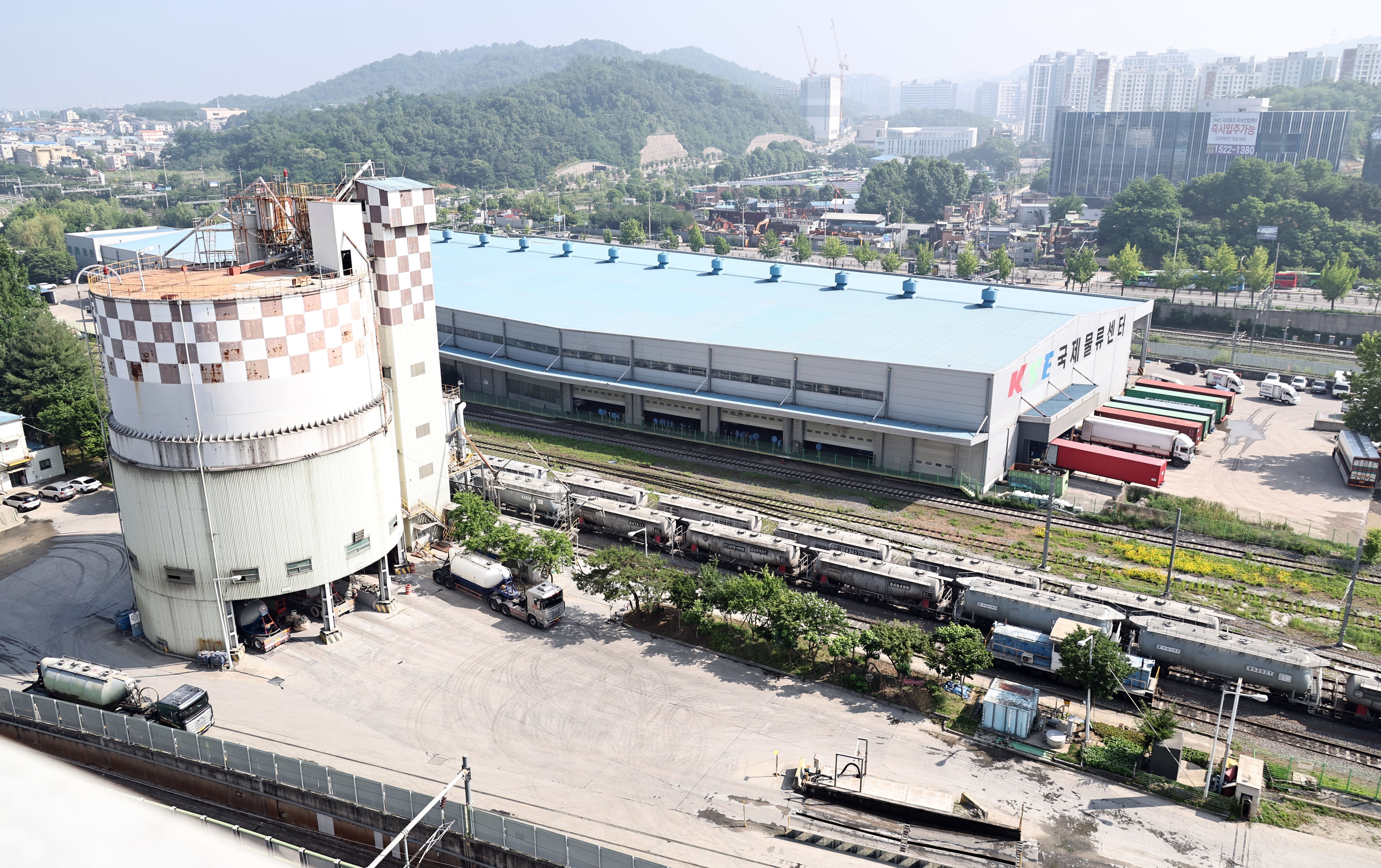
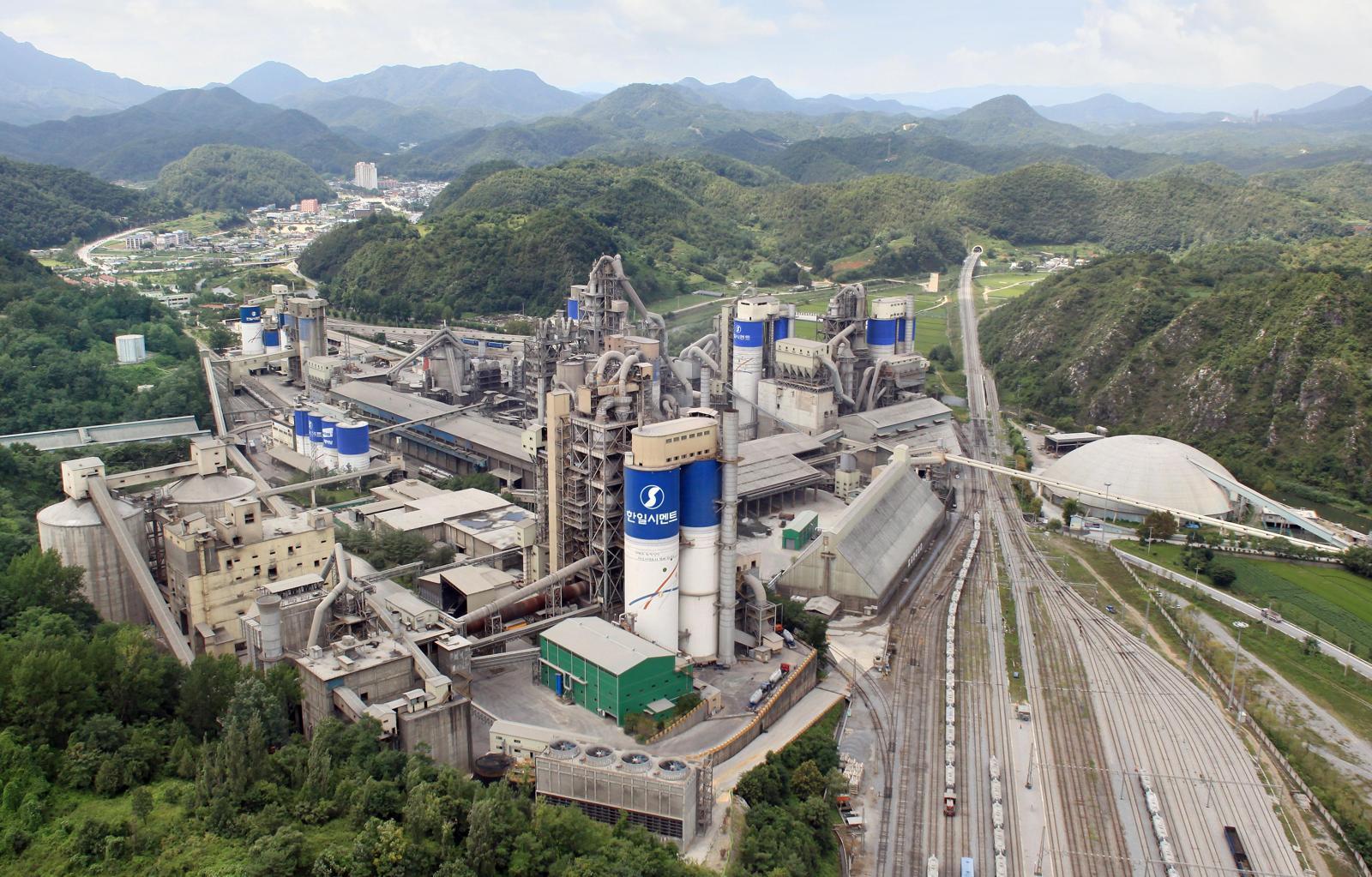
South Korea's cement industry is scaling back facility investments, with companies planning a roughly 10% reduction in 2026 compared to the previous year, totaling 429.7 billion won. This marks the second consecutive year of declining investment, following a trend that began after 2020 when companies expanded their facilities to address carbon neutrality and environmental impact.
The primary driver behind this investment slowdown is the prolonged slump in the construction market, which has led to a sharp decrease in domestic cement shipments. The Korea Cement Association reported that domestic shipments in 2025 were projected to be around 36.5 million tons, a 16.5% drop from the previous year and the lowest level since 1991. Industry forecasts suggest shipments will remain stagnant around 36 million tons in 2026.
Major cement manufacturers are experiencing declining sales and profitability. Hanil Cement's consolidated revenue is expected to decrease from 1.7 trillion won in 2024 to 1.4 trillion won in 2025, with operating profit shrinking from 271.4 billion won to 132.7 billion won. Ssangyong C&E also saw its consolidated operating profit for the first three quarters of 2025 fall to 62.3 billion won, down from 106.7 billion won in the same period the previous year.
Despite the overall reduction in investment, spending on facility maintenance, energy conservation, pollution control, and environmental and safety measures remains a high priority. These "rationalization" investments account for approximately 85.5% of the average total facility investment over the past five years, and are projected to reach 89.5% of the planned investment for 2026. This indicates that the industry is prioritizing upgrades for aging facilities, energy efficiency, and compliance with environmental and safety regulations, even amidst financial constraints.
The industry faces a dual challenge: the need for significant investment in carbon reduction technologies, such as selective catalytic reduction (SCR) systems for nitrogen oxide emissions and carbon capture, while simultaneously grappling with declining revenues. The association estimates that approximately 5 trillion won will be needed for the commercialization of core greenhouse gas reduction technologies by 2035. Cement companies are urging government support, including policy assistance for environmental investments and measures to stimulate the construction market, to ensure sustainable development and meet national carbon reduction goals.
DistantNews Editorial
Originally published by Dong-A Ilbo in Korean. Translated, summarized, and contextualized by our editorial team with added local perspective. Read our editorial standards.
More Stories


From Our Blog

What Gets Lost (and Found) When News Is Translated

The Critical Role of Diaspora Media in Global News

What Travellers Should Know About Countries with Restricted Press

A Digital Nomad's Guide to Following Local News

How the Same Story Looks Different in Different Countries
