


South Korean Chief Justice stresses rule of law amid reform tensions
Translated from Korean, summarized and contextualized by DistantNews.
At a glance
News
Named sources
Context piece
- South Korean Supreme Court Chief Justice Cho Hee-dae emphasized the importance of the rule of law amid ongoing judicial reforms.
- Cho stated the judiciary must uphold the law impartially and listen to public concerns, pledging to work with legal professionals.
- A lawmaker from the ruling party publicly criticized Cho, highlighting political tensions surrounding judicial appointments and reforms.
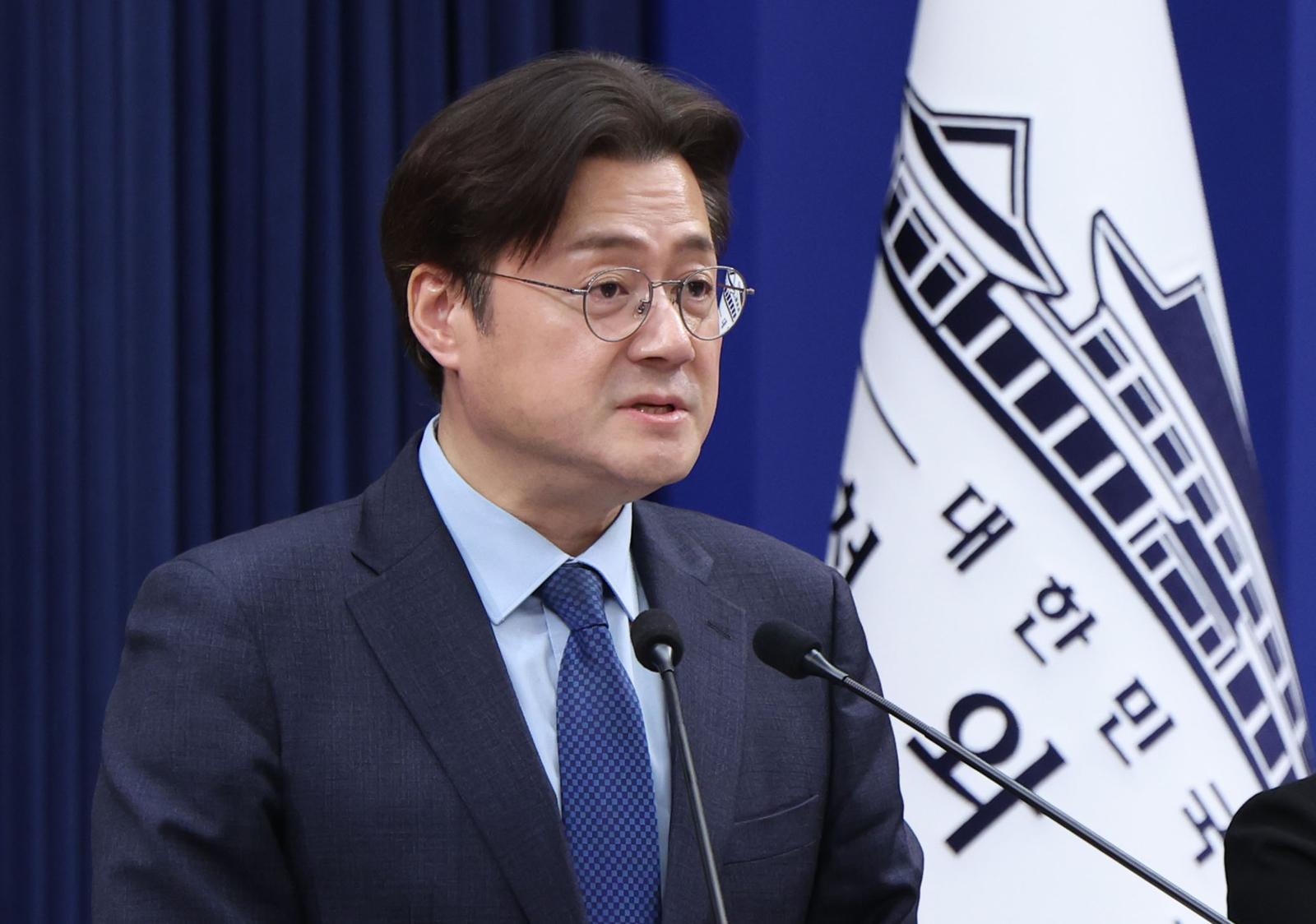
Supreme Court Chief Justice Cho Hee-dae has stressed the paramount importance of the rule of law, stating that the judiciary must control arbitrary state power and protect citizens' freedoms. Speaking at a legal conference in Seoul, Cho acknowledged the diverse concerns surrounding recent judicial reforms. He pledged that the judiciary would remain attentive to public opinion and collaborate closely with legal organizations to ensure the judicial system serves the people.
The value of 'rule of law,' which controls arbitrary state power and protects the freedom and rights of the people, is even more precious as the judicial system faces significant changes.
Cho asserted that the judiciary has a duty to uphold the rule of law by exercising its judicial power impartially, in accordance with the constitution, laws, and conscience. He affirmed the court's commitment to swift and fair trials. The event was attended by Han Chan-sik, the senior presidential secretary for civil affairs, whose office has clashed with Cho over Supreme Court justice nominations. President Yoon Suk-yeol, in a message read by Han, highlighted the timeliness of the conference's theme, 'Guaranteeing Fundamental Rights Amidst Judicial System Changes,' given rapid technological advancements and societal shifts.
However, the conference also revealed significant political friction. Seo Young-kyo, chairperson of the National Assembly's Legislation and Judiciary Committee, directly criticized Chief Justice Cho. "Even though Chief Justice Cho is here today, judges must pursue the truth impartially and not be biased," Seo stated, referencing recent disagreements. Seo had previously suggested impeachment proceedings against Cho and pushed for Cho to testify before the committee.
The judiciary has a duty to faithfully implement the rule of law in our society by strictly exercising the judicial power entrusted by the people in accordance with the Constitution, laws, and conscience.
Kim Sang-hwan, chief justice of the Constitutional Court, also spoke, emphasizing that any judicial reform must align with constitutional values and the protection of fundamental rights. He noted that the newly introduced jury system requires legal professionals to reflect more deeply on their judgments through the lens of the constitution.
Even though Chief Justice Cho is here today, judges must pursue the truth impartially and not be biased.
Kim Jung-wook, president of the Korean Bar Association, addressed the reduction in prosecutorial review functions following criminal justice reforms, which shifted investigative powers to the police and a potential Serious Crimes Investigation Agency. He called for robust legal oversight and independent controls from the early stages of investigations to prevent a vacuum in legal review.
Any judicial system change must not deviate from the values the Constitution pursues and the fundamental rights of the people.
DistantNews Editorial
Originally published by Hankyoreh in Korean. Translated, summarized, and contextualized by our editorial team with added local perspective. Read our editorial standards.
More Stories


From Our Blog

What Gets Lost (and Found) When News Is Translated

The Critical Role of Diaspora Media in Global News

What Travellers Should Know About Countries with Restricted Press

A Digital Nomad's Guide to Following Local News

How the Same Story Looks Different in Different Countries
