


South Korean church criticized for failing to address sexual violence
Translated from Korean, summarized and contextualized by DistantNews.
At a glance
News
Named sources
Context piece
- A report highlights the persistent issue of sexual violence within the South Korean church, with a focus on the perceived lack of institutional response.
- The National Council of Churches in Korea (NCCK) Women's Committee has been working since 2018 to address church-related sexual discrimination and violence.
- The report criticizes the tendency to view sexual violence as individual misconduct rather than a systemic issue, and calls for greater awareness, resources, and leadership commitment.
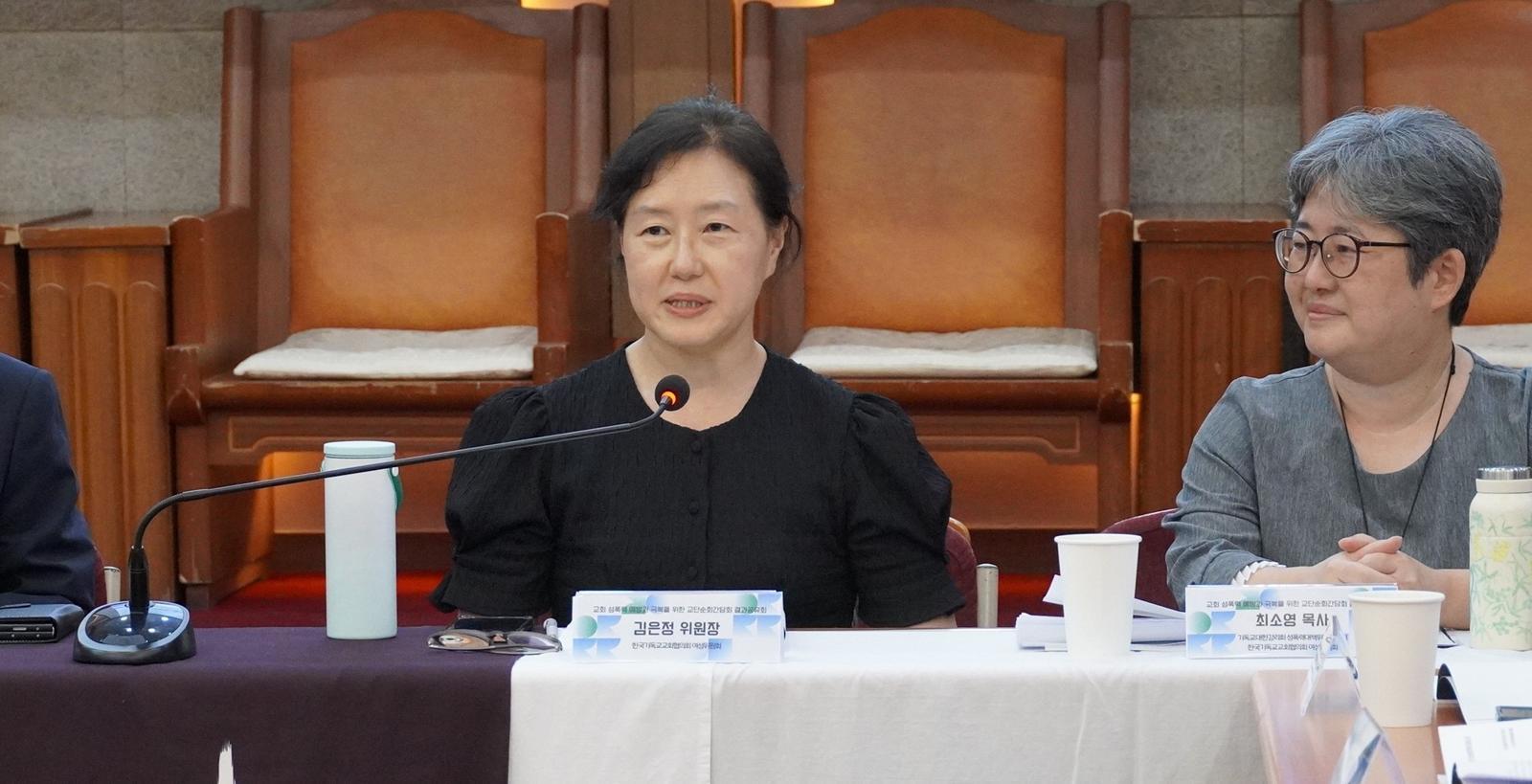
A recent report from the National Council of Churches in Korea (NCCK) Women's Committee sheds light on the ongoing struggle against sexual violence within the church, criticizing a perceived institutional apathy. The committee, led by Reverend Kim Eun-jung, has been actively campaigning since 2018 to combat sexual discrimination and violence in religious institutions.
Can a pastor who has served a prison sentence for sex crimes really stand in the pulpit again?
Reverend Kim expressed concern that many churches view sexual violence as isolated incidents rather than a problem rooted in the church's hierarchical structure. She argued that the immense power held by senior pastors can be easily abused, leading to the manipulation of congregants. This environment, she stated, makes sexual violence an ever-present possibility.
The report also addresses the difficulty victims face in reporting abuse. Unlike secular workplaces, leaving a church can mean abandoning one's entire spiritual community, making reporting even more daunting. Churches sometimes exacerbate this by prioritizing their reputation, pressuring victims into silence and framing their departure as disruptive to the pastor's career.
There is a tendency within the Korean church to view sexual violence in the church as an individual's deviation, rather than something that can happen structurally at any time.
Furthermore, the NCCK's findings suggest a historical deficit in training and awareness among church leaders. Many senior pastors have not received education on sexual violence prevention, and a patriarchal interpretation of scripture may contribute to a lack of understanding and empathy. The committee emphasizes that sexual violence stems from gender discrimination, urging for equal representation in church leadership and decision-making processes.
In a structure where the senior pastor, who holds infinite power in the church, abuses spiritual authority to control believers, it is a problem that can occur at any time.
While acknowledging the complexity of finding solutions, the NCCK stresses the importance of shared awareness and collective effort. They call for dedicated budgets, staffing, and clear response manuals within each denomination. Crucially, the report urges church leaders to confront these issues directly rather than dismissing them or treating them superficially, asserting that progress is achievable with genuine will and commitment.
It's not right that the victim has to leave because of the perpetrator.
DistantNews Editorial
Originally published by Dong-A Ilbo in Korean. Translated, summarized, and contextualized by our editorial team with added local perspective. Read our editorial standards.
More Stories



From Our Blog

What Gets Lost (and Found) When News Is Translated

The Critical Role of Diaspora Media in Global News

What Travellers Should Know About Countries with Restricted Press

A Digital Nomad's Guide to Following Local News

How the Same Story Looks Different in Different Countries
