


South Korean Cities Use Memes to Boost Local Appeal
Translated from Korean, summarized and contextualized by DistantNews.
At a glance
News
Named sources
Context piece
- Local governments in South Korea are increasingly using online memes and wordplay to promote their regions, shifting from one-way advertising to participatory engagement.
- Cities like Geoje and Gimcheon have successfully integrated popular internet trends into festivals and promotional content, boosting local tourism and brand image.
- Experts emphasize that effective meme marketing requires connecting online buzz to real-world experiences like festivals and tourism, not just fleeting online trends.
South Korean municipalities are embracing the power of internet culture, transforming their promotional strategies from traditional advertising to interactive engagement. By tapping into online memes and viral trends, cities are finding new ways to connect with younger audiences and boost local appeal.
Public relations must shift from a provider-centric to a demand-centric storytelling approach. The era of administrative bodies unilaterally delivering information is over.
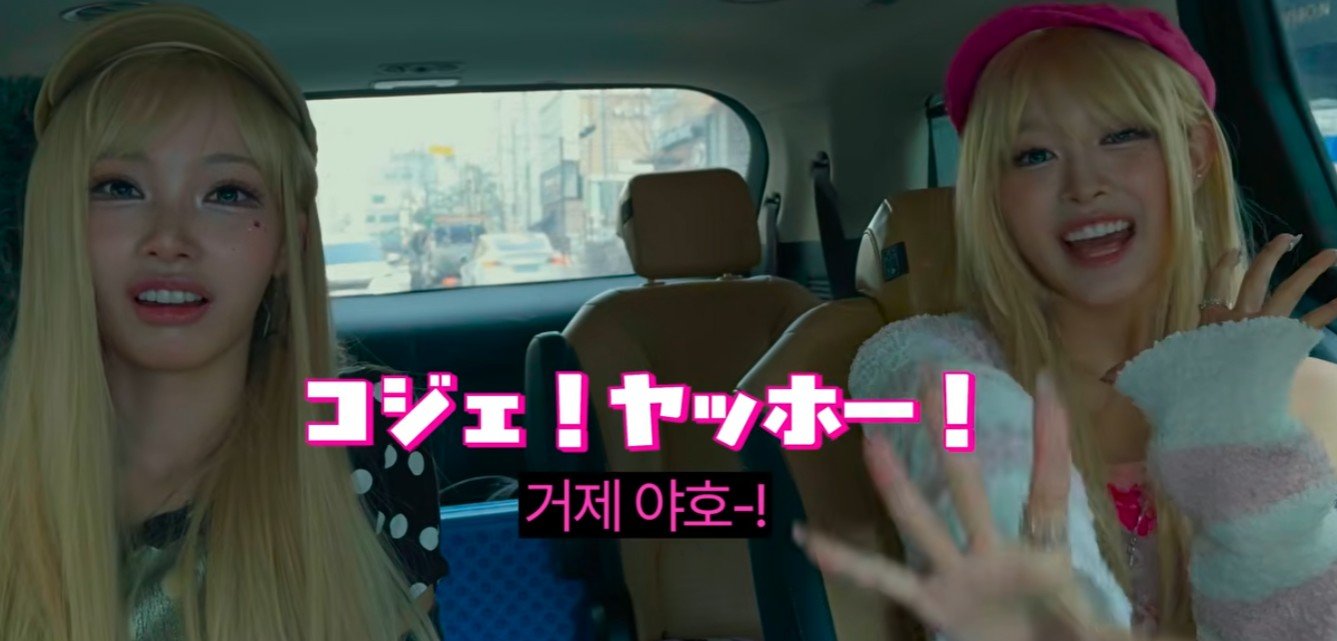
Geoje city, for instance, capitalized on the "Geoje Ya-ho" meme, a phrase popularized by K-pop group tripleS member Yuan. Instead of creating new slogans, the city incorporated the existing trend into its promotional materials. A YouTube video announcing Yuan's appointment as an honorary ambassador garnered over 4.2 million views across platforms, demonstrating the effectiveness of leveraging existing online conversations. A Geoje city official noted, "Public relations must shift from a provider-centric to a demand-centric storytelling approach. The era of administrative bodies unilaterally delivering information is over."
Local governments must naturally blend into the culture that people are already enjoying. When municipalities set aside their authority and engage with the public's codes, true communication occurs, and promotional effects can be amplified.
Similarly, Gimcheon city turned a common online joke – that the city was less famous than the "Gimbap Cheonguk" (a popular Korean fast-food chain) – into a successful event. The first Gimcheon Gimbap Festival attracted 100,000 visitors, and the second drew 150,000, a significant turnout for a city of 130,000. This shows how a playful approach to local identity can drive actual foot traffic.
We felt it was important to create content that people can spontaneously participate in and share, rather than forcing promotional phrases.
Experts, however, caution that simply adopting memes isn't enough. Professor Shim Sung-wook of Hanyang University's Advertising and Public Relations department advises that these online trends must be linked to tangible local experiences. "Connecting the buzz from memes to local festivals, tourism, and content experiences is crucial," he stated. Strategies like character-finding events, stamp tours, and developing merchandise based on popular memes can extend engagement and encourage visitors to spend more time and money in the region. The key, officials say, is for local governments to "lower their authority and play along with the public's codes" to foster genuine communication and maximize promotional impact.
Local promotion should now be something people can participate in as a game.
DistantNews Editorial
Originally published by Dong-A Ilbo in Korean. Translated, summarized, and contextualized by our editorial team with added local perspective. Read our editorial standards.
More Stories


From Our Blog

What Gets Lost (and Found) When News Is Translated

The Critical Role of Diaspora Media in Global News

What Travellers Should Know About Countries with Restricted Press

A Digital Nomad's Guide to Following Local News

How the Same Story Looks Different in Different Countries
