


South Korean city endures third day of 40C+ heatwave
Translated from Korean, summarized and contextualized by DistantNews.
At a glance
News
Sources not specified
Context piece
- Yangsan, South Korea, recorded a temperature of 40.7 degrees Celsius, marking the third consecutive day above 40 degrees.
- This heatwave is the third instance since 1973 where a domestic location has experienced temperatures over 40 degrees for three or more consecutive days.
- The heatwave is expected to continue, with forecasts predicting temperatures between 32-38 degrees Celsius nationwide, as heat-related illnesses continue to rise.
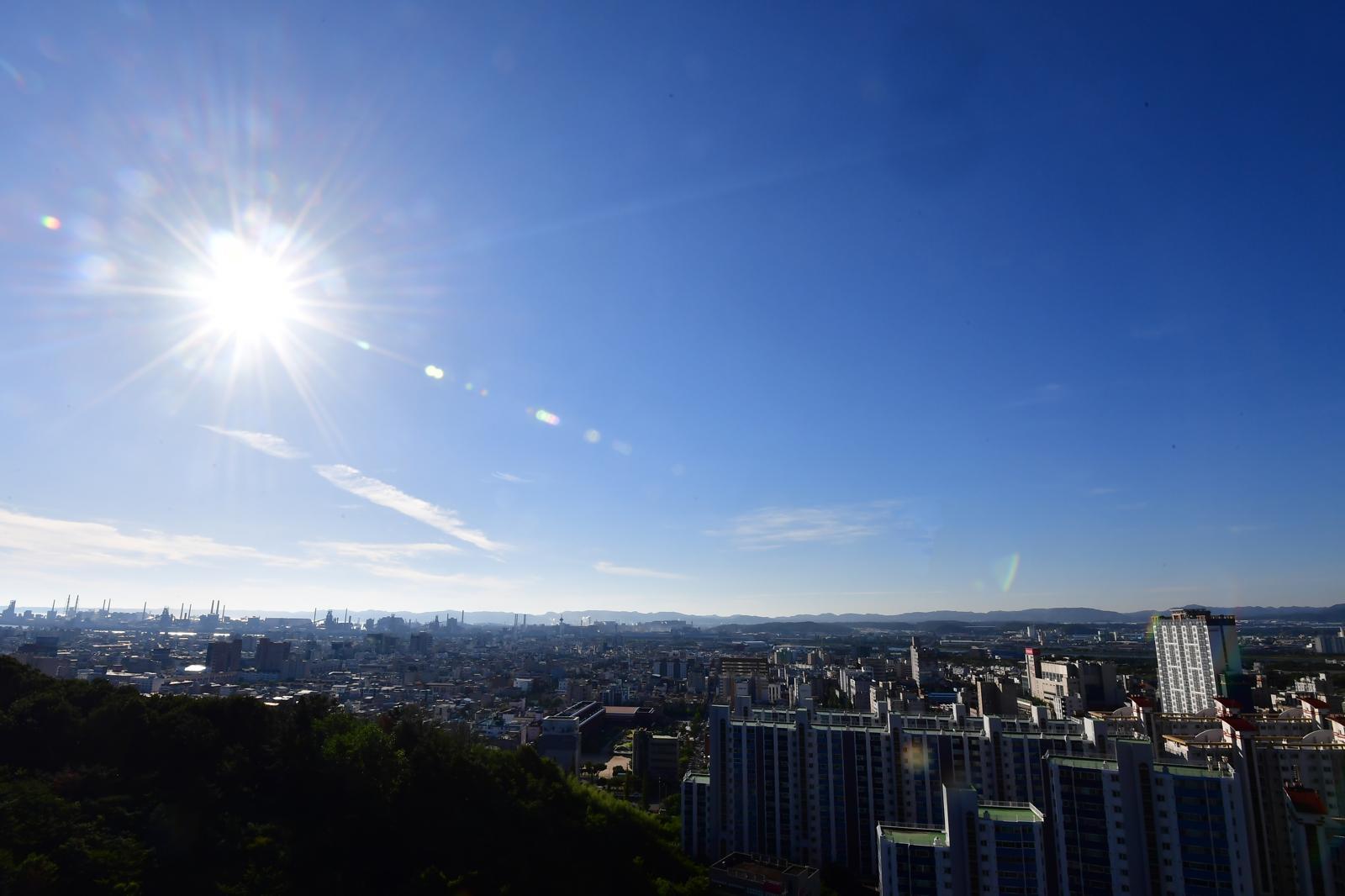
South Korea is grappling with an intense heatwave, with the city of Yangsan in South Gyeongsang Province recording a scorching 40.7 degrees Celsius on July 31. This marks the third consecutive day the city has surpassed the 40-degree threshold, setting a new record for the location since meteorological observations began in 2008.
The extreme heat began on July 26, when Yangsan registered a record high of 39.3 degrees Celsius. Just three days later, on July 29, the temperature climbed to 40.3 degrees, a figure that was matched again on July 30. The consecutive days above 40 degrees are a rare phenomenon in South Korea.
According to meteorological data, this is only the third time since 1973 that any location in the country has experienced temperatures exceeding 40 degrees Celsius for three or more consecutive days. This marks the second year in a row that areas have recorded temperatures above 40 degrees in July, highlighting a concerning trend in the country's climate.
The heatwave is expected to persist, with the Korea Meteorological Administration forecasting national temperatures to range between 32 and 38 degrees Celsius from July 31 to August 2. Regions including the Seoul metropolitan area and Chungcheong Province are anticipated to face severe heat.
The extreme weather is taking a toll on public health. As of July 29, a total of 1,638 people have been treated for heat-related illnesses, with 12 fatalities reported, according to the Korea Disease Control and Prevention Agency.
DistantNews Editorial
Originally published by Dong-A Ilbo in Korean. Translated, summarized, and contextualized by our editorial team with added local perspective. Read our editorial standards.
More Stories


From Our Blog

What Gets Lost (and Found) When News Is Translated

The Critical Role of Diaspora Media in Global News

What Travellers Should Know About Countries with Restricted Press

A Digital Nomad's Guide to Following Local News

How the Same Story Looks Different in Different Countries
