

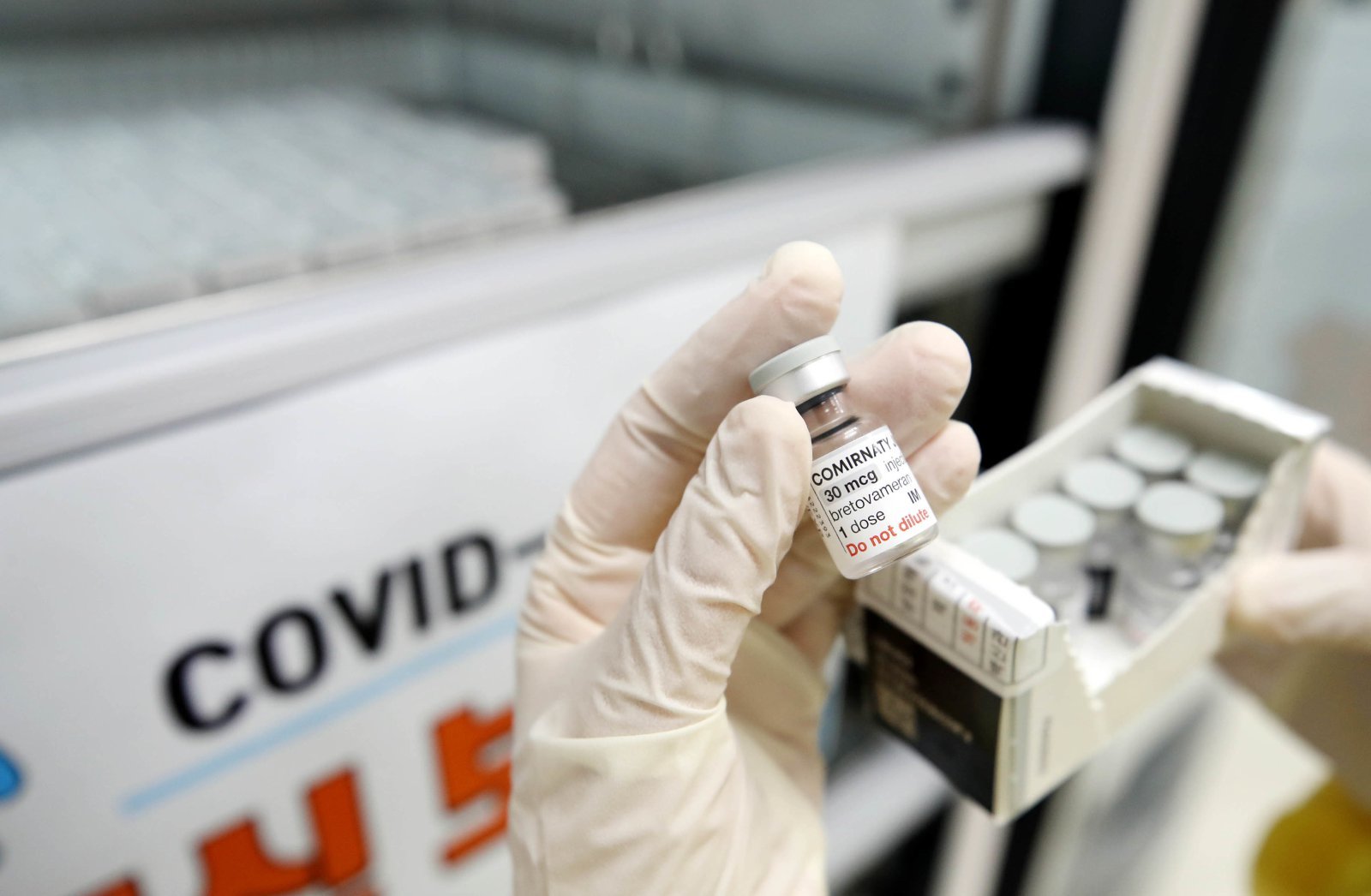
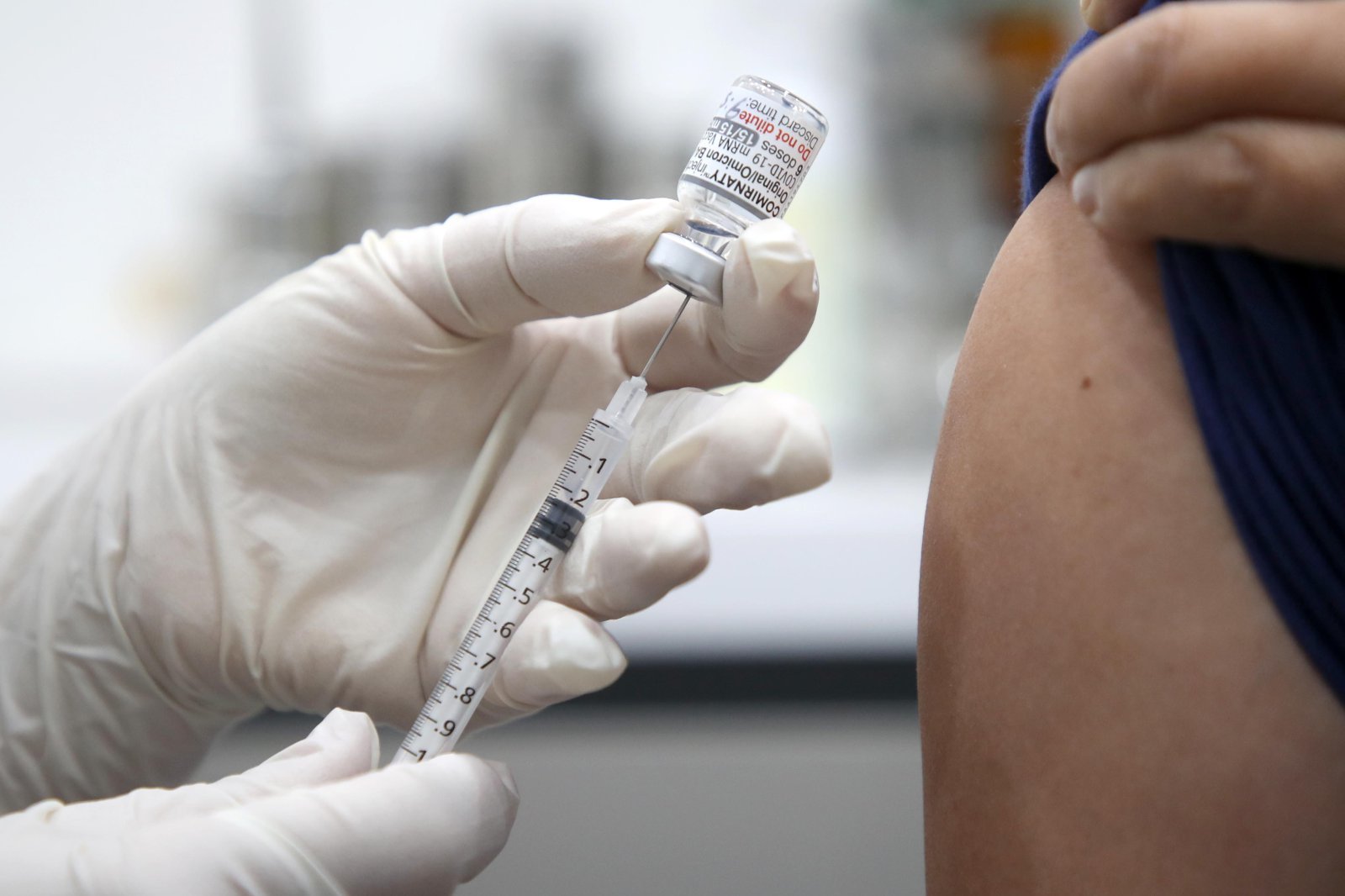
South Korean court orders state compensation for teacher's vaccine-related death
Translated from Korean, summarized and contextualized by DistantNews.
At a glance
News
Sources not specified
Outcome reported
- A South Korean court ruled that the state must compensate the family of a 20-year-old teacher who died from blood clots after receiving the Pfizer COVID-19 vaccine.
- The court found a significant causal link between the vaccine and the teacher's death, a rare but serious side effect known as thrombosis with thrombocytopenia syndrome (TTS).
- This ruling marks the first instance where a court has recognized a causal relationship between the Pfizer vaccine and TTS, leading to state compensation.
A South Korean court has ordered the state to compensate the family of a 20-year-old teacher who died from blood clots after receiving the Pfizer COVID-19 vaccine. The ruling, issued by the Seoul Administrative Court, found a significant causal link between the vaccine and the teacher's death from thrombosis with thrombocytopenia syndrome (TTS).
A causal relationship between the death and the preventive vaccination can be presumed.
The teacher, identified as A, was a physical education instructor who received the first dose of the Pfizer vaccine on July 28, 2021. Nine days later, he began experiencing symptoms like indigestion and nausea. He was hospitalized on August 10 and later transferred to a tertiary hospital, where he underwent surgery for intestinal ischemia caused by venous thrombosis. Despite treatment, he died on September 3, 2021, from acute liver failure, acute kidney failure, and septic shock.
The Korea Disease Control and Prevention Agency (KDCA) initially denied compensation, arguing that the teacher's condition did not meet the criteria for TTS linked to COVID-19 vaccines and that his death was due to the worsening of a pre-existing condition called Kimura's disease. However, the court disagreed, citing expert opinions that suggested a possible link between mRNA vaccines like Pfizer's and the development of immune thrombocytopenia or TTS. The court emphasized that the causal relationship does not need to be definitively proven medically but can be inferred from circumstantial evidence.
The causal relationship between vaccination and disease does not necessarily have to be medically or scientifically proven with certainty; it can be recognized when inferred from indirect factual relationships.
In its ruling, the court noted the close temporal proximity between the vaccination and the onset of symptoms, as well as the fact that the teacher died during treatment for blood clots. It also questioned the KDCA's assertion that Kimura's disease was the primary cause, stating that the condition typically does not cause such severe platelet reduction or widespread venous thrombosis. The court concluded that even if Kimura's disease was reactivated, the vaccination was the likely trigger given the timing. The KDCA has decided not to appeal the ruling, which was finalized on November 5.
The deceased experienced abnormal symptoms only 9 days after receiving the vaccination, and died during treatment for blood clots.
DistantNews Editorial
Originally published by Dong-A Ilbo in Korean. Translated, summarized, and contextualized by our editorial team with added local perspective. Read our editorial standards.
More Stories


From Our Blog

What Gets Lost (and Found) When News Is Translated

The Critical Role of Diaspora Media in Global News

What Travellers Should Know About Countries with Restricted Press

A Digital Nomad's Guide to Following Local News

How the Same Story Looks Different in Different Countries
