


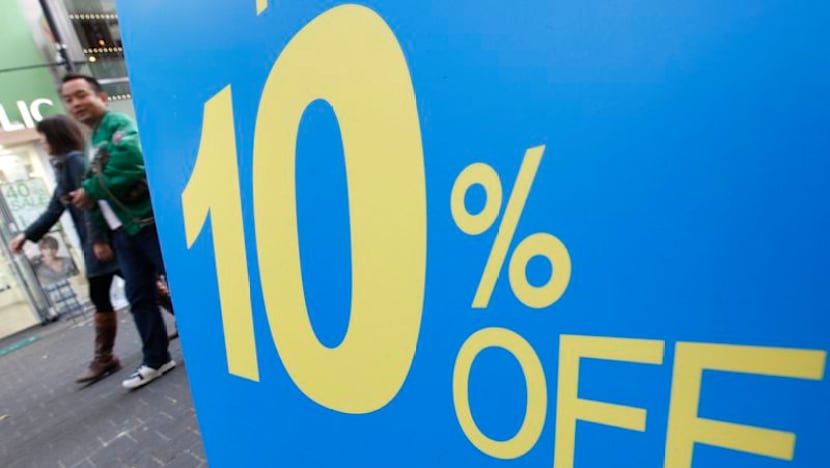
South Korean Economy Likely Slowed in Q2 Amid Weak Domestic Demand
Translated from English, summarized and contextualized by DistantNews.
At a glance
News
From a news agency
Context piece
- South Korea's economy likely grew at a slower pace in Q2 2026 compared to Q1.
- Robust export growth, particularly in semiconductors, was offset by weakening domestic demand.
- Economists expect full-year growth to exceed 3%, driven by AI-related trends.
South Korea's economy is expected to have grown at a significantly slower pace in the second quarter of 2026 compared to the robust performance in the first three months, according to a Reuters poll of economists. While strong export growth provided a boost, it was counteracted by a noticeable weakening in domestic demand.
Exports and investment are two key drivers for Q2 GDP, but domestic demand and consumption growth likely remain weak.
The median forecast among 24 economists surveyed suggests a 0.4% expansion for the second quarter. This marks a considerable slowdown from the 1.8% growth recorded in the January-March period, which was the highest in nearly six years. Forecasts for the quarter ranged from 0.1% to 1.0%.
Consumers "looked very conservative about spending because outside chip sectors, other service sectors, manufacturing sectors, they continued to cut jobs."
Jeong Woo Park, Asia economist at Nomura, noted that while exports and investment were key drivers, domestic demand and consumption remained weak. He pointed to job cuts in sectors outside of chips and other manufacturing and service industries, describing the economic pattern as "K-shaped growth." This limited the positive impact from strong chip cycles.
So because of that, this is very much like a K-shaped growth pattern. I think that limited some possible impacts from strong chip cycles.
Exports surged approximately 71% in June, reaching their strongest pace in almost half a century, largely due to an AI-driven spending boom that propelled semiconductor exports up by nearly 200% to $44.8 billion. The country recorded a trade surplus of $138.3 billion in the first half of the year. Despite the Q2 slowdown, economists anticipate South Korea's economy will achieve full-year growth exceeding 3%, supported by AI-related tailwinds and signs of these benefits spreading to the broader economy.
The big picture though is that South Korea’s economy looks on track to achieve full-year growth in excess of 3 per cent, led by AI-related tailwinds and supported by signs that spillovers into the wider economy are beginning to materialize.
DistantNews Editorial
Originally published by CNA in English. Translated, summarized, and contextualized by our editorial team with added local perspective. Read our editorial standards.
More Stories


From Our Blog

What Gets Lost (and Found) When News Is Translated

The Critical Role of Diaspora Media in Global News

What Travellers Should Know About Countries with Restricted Press

A Digital Nomad's Guide to Following Local News

How the Same Story Looks Different in Different Countries
