


South Korean Elections: Major Discrepancies Found in Voter Counts Across Districts
Translated from Korean, summarized and contextualized by DistantNews.
At a glance
News
Documents & data
Outcome reported
- Over half of South Korea's administrative districts (eup, myeon, dong) showed discrepancies between preliminary and final voter counts in the 9th National Simultaneous Local Elections.
- Some areas reported differences of nearly 30%, with one polling station showing 611 fewer voters than initially tallied.
- Election officials attribute minor variations to manual counting but face criticism for significant discrepancies, potentially indicating flawed management.
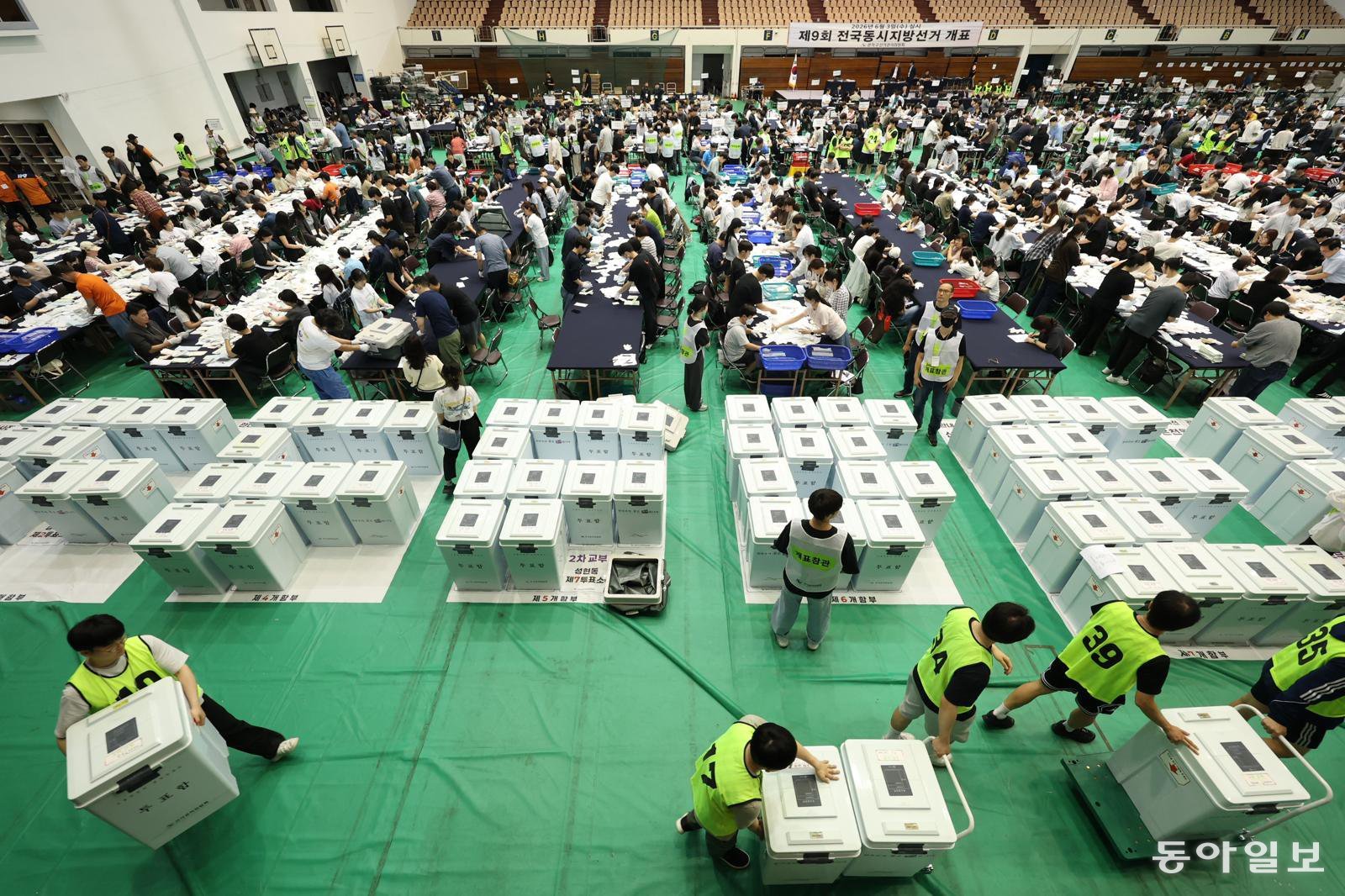
A significant number of electoral districts across South Korea experienced discrepancies between preliminary voter counts and final tallies following the 9th National Simultaneous Local Elections. Data submitted by the National Election Commission to lawmaker Jeong Chun-saeng's office revealed that out of 3,558 eup, myeon, and dong nationwide, 1,970 districts, or 55.4%, reported differences.
These discrepancies were not minor in all cases. A total of 29 districts recorded variations exceeding 100 voters. The fourth polling station in Gongdo-eup, Anseong City, Gyeonggi Province, saw its final voter count decrease by 611 people, a substantial 29% reduction from the initial on-site aggregation. Conversely, the seventh polling station in Songcheon 2-dong, Jeonju City, North Jeolla Province, reported an increase of 164 voters, or 16.9%, compared to the preliminary count.
Time-based voter counts are provisional data for which errors are bound to occur.
While minor differences can occur due to the manual comparison of on-site tallies with final results, the scale of these variations has drawn criticism. Some observers suggest these large gaps point to inadequate election management. Further concerns have been raised regarding the election system's security, as 1,174 out of 1,920 individuals with access to the vote and count reporting system servers were temporary staff, not permanent election commission employees.
In response, the National Election Commission stated that time-based voter counts are provisional and subject to error. They emphasized that any input or modification of voter numbers does not affect the final confirmed count. However, the significant and widespread nature of these discrepancies has fueled debate about the integrity and efficiency of the election process.
Input and modification of voter numbers do not have any impact on the final confirmation of the total number of voters.
DistantNews Editorial
Originally published by Dong-A Ilbo in Korean. Translated, summarized, and contextualized by our editorial team with added local perspective. Read our editorial standards.
More Stories



From Our Blog

What Gets Lost (and Found) When News Is Translated

The Critical Role of Diaspora Media in Global News

What Travellers Should Know About Countries with Restricted Press

A Digital Nomad's Guide to Following Local News

How the Same Story Looks Different in Different Countries
