



South Korean Government: Middle East Conflict Heightens Economic Downside Risks
Translated from Korean, summarized and contextualized by DistantNews.
TLDR
- The South Korean government assesses that the escalating Middle East conflict has significantly increased downside risks to the economy.
- This marks a heightened concern from the previous month's 'worry about downside risks increasing.'
- The report notes a slowdown in consumption and business sentiment due to the conflict, alongside concerns about rising oil prices and inflation.
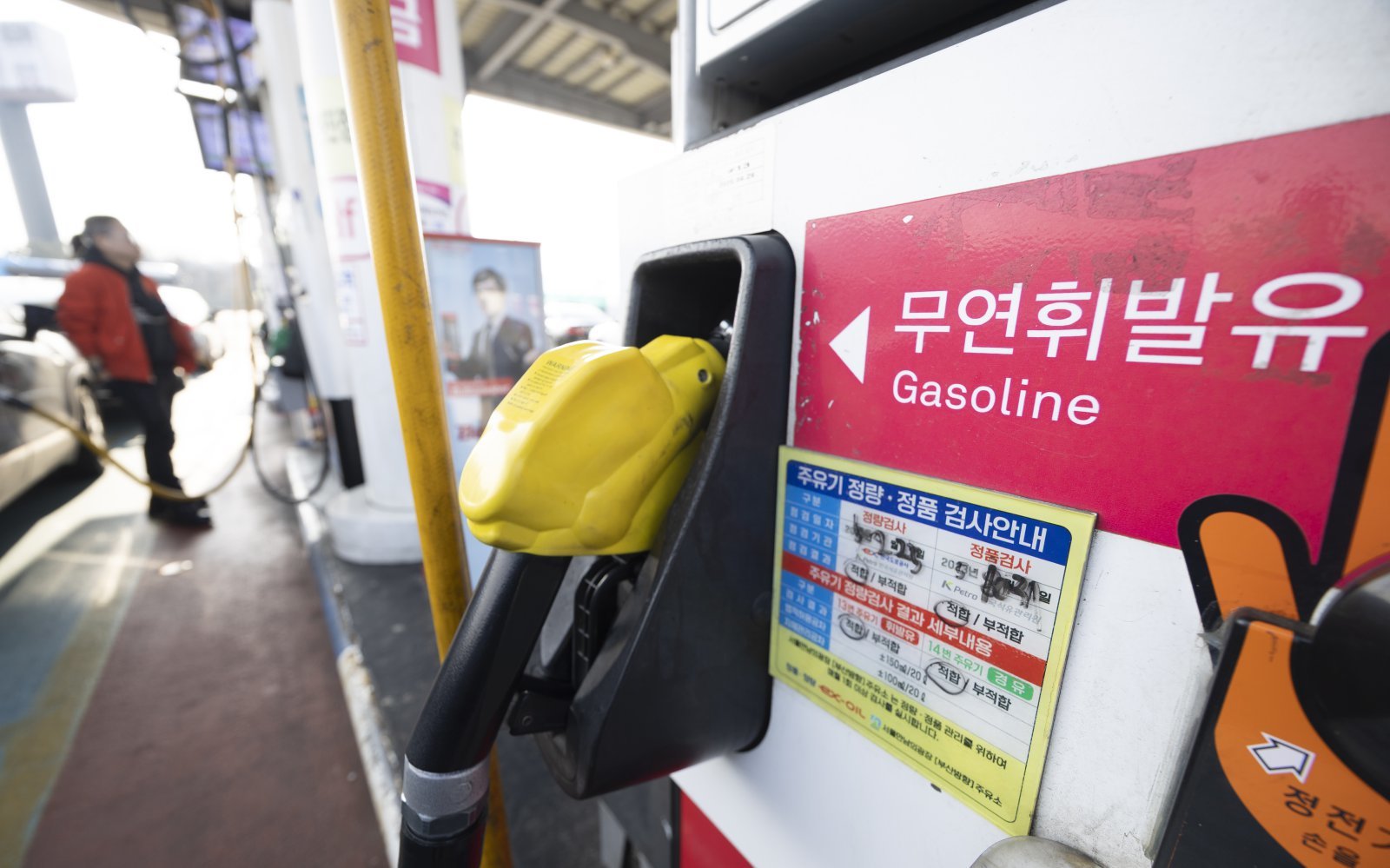
The Hankyoreh reports that the South Korean government has officially recognized the escalating Middle East conflict as a significant factor increasing downside risks to the national economy. This assessment, detailed in the April edition of the 'Green Book' (recent economic trends report), represents a step up from previous cautious language, indicating that the prolonged conflict's impact is beginning to be felt more acutely. The report explicitly removes the phrase 'economic recovery,' which had been mentioned for five consecutive months. While acknowledging the continued strength in semiconductor exports and domestic demand, the government highlights concerns about the conflict's effect on consumption and business sentiment, as well as the potential for rising oil prices and inflation to burden households. The article also points to early indicators like increased consumer price inflation and a sharp drop in consumer sentiment. From a South Korean perspective, this official acknowledgment is crucial, as the nation's economy is highly sensitive to global energy prices and geopolitical stability. The government's shift in tone underscores the seriousness with which these external factors are being viewed, moving beyond mere 'worry' to a more concrete assessment of 'increased risk.'
DistantNews Editorial
Originally published by Hankyoreh in Korean. Translated, summarized, and contextualized by our editorial team with added local perspective. Read our editorial standards.
More Stories


From Our Blog

What Gets Lost (and Found) When News Is Translated

The Critical Role of Diaspora Media in Global News

What Travellers Should Know About Countries with Restricted Press

A Digital Nomad's Guide to Following Local News

How the Same Story Looks Different in Different Countries
